


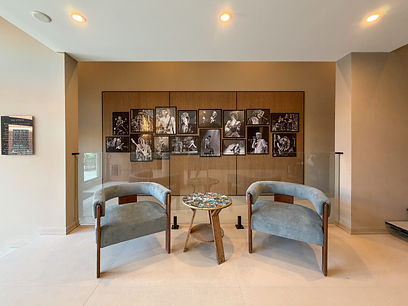

Hoboken has long operated at the intersection of culture, proximity, and evolution, a city where history is not erased but repurposed into something modern, relevant, and economically meaningful. That dynamic is now on full display at 921 Madison Street, where one of the city’s most storied creative landmarks has been transformed into one of its most compelling new residential offerings. The Studio is not simply another condominium development entering a competitive Hudson County market. It is a deliberate reimagining of place, where legacy and luxury converge to create a residential experience that reflects both Hoboken’s past and its accelerating future.
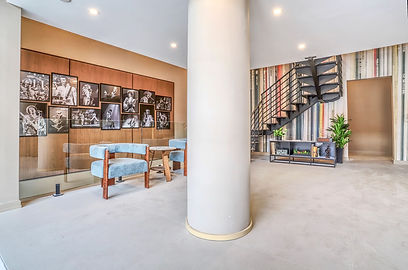
Positioned in a prime location with direct access to New York City and surrounded by one of the most walkable and vibrant neighborhoods in the state, The Studio introduces 43 residences into a market that continues to see sustained demand for high-quality, design-forward living spaces. What separates this project from others entering the pipeline is not just its architectural execution or its amenity package, but the cultural foundation on which it is built. For more than three decades, this address was home to Water Music Studios, an independent recording facility that quietly became one of the most influential creative spaces in the region. Its walls carried the sound and presence of globally recognized artists, from Beyoncé and Shakira to Cyndi Lauper, Taking Back Sunday, and U2. That lineage is not treated as a marketing footnote. It is embedded into the identity of the development itself.
The transition from recording studio to residential destination reflects a broader trend shaping Hoboken and the surrounding New Jersey real estate landscape. Across the state, redevelopment is increasingly defined by adaptive reuse and narrative-driven design, where the story behind a property becomes as important as its specifications. The Studio exemplifies that shift. Rather than erasing its past, the project incorporates it, using design, materials, and spatial intent to create continuity between what once existed and what now defines the space.
Architecturally, the building reflects a commitment to durability, efficiency, and refined modernity. Designed by Nastasi Architects, the structure rises from the ground up with a steel and concrete framework that prioritizes both structural integrity and long-term performance. This is not a cosmetic renovation layered onto an aging shell. It is a purpose-built residence designed to meet the expectations of today’s buyers while anticipating the needs of tomorrow’s market. The result is a building that feels substantial, intentional, and aligned with the evolving standards of urban living in Hudson County.
Inside, the residences are defined by a clean, expansive design language that emphasizes light, openness, and usability. Oversized Marvin windows anchor each home, drawing in natural light and framing the surrounding cityscape, including select views that extend toward the Manhattan skyline. The interiors balance aesthetic restraint with material richness, creating spaces that feel both elevated and livable. Engineered hardwood flooring runs throughout, complemented by integrated LED lighting that enhances both functionality and atmosphere.
The layouts themselves reflect a clear understanding of how modern residents use space. One-, two-, and three-bedroom configurations offer flexibility for a range of lifestyles, from professionals commuting into Manhattan to buyers seeking a primary residence that supports both work and leisure. Open-concept living areas are designed to accommodate entertaining without sacrificing intimacy, while thoughtful storage solutions ensure that practicality remains central to the living experience.
Kitchens at The Studio are positioned as both visual focal points and functional workspaces. Quartz countertops and backsplashes provide a cohesive and durable surface, while custom cabinetry and panel-ready appliances maintain a streamlined, integrated look. This is a design approach that prioritizes both form and performance, aligning with buyer expectations in a market where the kitchen remains one of the most scrutinized elements of any home.
Bathrooms extend that same level of attention to detail, particularly in primary ensuites where spa-inspired features elevate the everyday routine into something more restorative. Floor-to-ceiling tile, dual vanities, and carefully considered lighting create an environment that feels deliberate and composed. These are not afterthought spaces. They are integral to the overall experience of the residence.
Beyond the interiors, The Studio integrates a series of features that reflect a practical understanding of urban living. Each unit includes a full-sized washer and dryer, eliminating the compromises often associated with city residences. Tankless hot water systems provide efficiency and reliability, while Butterfly intercom technology enhances both security and accessibility. On-site bike storage and available parking options address the realities of transportation in Hoboken, where mobility is both a convenience and a necessity.
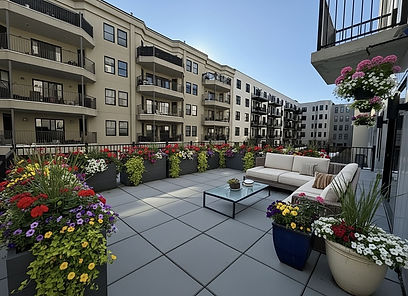
A shared courtyard introduces an additional layer of livability, offering residents a private outdoor environment that functions as both a retreat and a social space. In a city where outdoor access is highly valued, this amenity reinforces the building’s commitment to balance—providing moments of quiet within an otherwise dynamic urban setting.
Location remains one of the defining advantages of The Studio, and 921 Madison Street delivers on that front with precision. Hoboken’s reputation as one of New Jersey’s most desirable residential markets is built on its ability to combine neighborhood intimacy with immediate access to Manhattan. Residents at The Studio are positioned within reach of multiple transit options, enabling a seamless commute across the Hudson while maintaining a sense of separation from the intensity of New York City living.
The surrounding neighborhood further enhances that positioning. Everyday essentials are readily accessible, with nearby grocery options supporting convenience without requiring extensive travel. Local establishments contribute to the area’s character, from neighborhood cafés and bakeries to longstanding dining destinations that anchor the community’s social fabric. Cultural and recreational opportunities are equally integrated, with nearby parks and public spaces offering residents a range of options for outdoor activity and relaxation. The presence of institutions like the Hoboken Historical Museum reinforces the city’s connection to its past, even as developments like The Studio push it forward.
From a market perspective, The Studio enters at a time when New Jersey real estate continues to experience both demand pressure and structural evolution. Buyers are increasingly seeking properties that offer more than square footage. They are looking for narrative, quality, and long-term value. Developments that can deliver on those elements are positioned to stand out, particularly in competitive markets like Hoboken where inventory is closely watched and absorption rates remain strong.
Pricing for the remaining residences, starting in the mid-$700,000 range, places The Studio within a segment of the market that demands both justification and differentiation. In this case, the value proposition extends beyond finishes and location. It includes the building’s construction quality, its integration of modern systems, and its connection to a site that carries genuine cultural significance. For buyers evaluating long-term investment potential, those factors contribute to a more layered understanding of value—one that goes beyond immediate comparables.
The broader significance of this development extends into the narrative of Hoboken itself. As the city continues to evolve, projects like The Studio illustrate how growth can be managed without sacrificing identity. By preserving and reinterpreting the legacy of Water Music Studios, the development contributes to a continuity that many urban markets struggle to maintain. It demonstrates that progress does not require erasure, and that the most compelling developments are often those that understand where they come from as clearly as where they are going.
For those looking to engage with Hoboken’s next phase, The Studio represents an opportunity to do so at a location that has already shaped the city’s cultural history. Now, it is shaping its residential future.



