


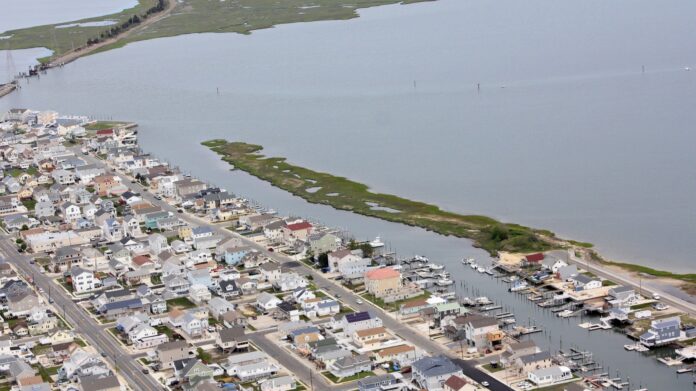

A targeted investment in environmental infrastructure is taking shape along New Jersey’s coastline as New Jersey Resources announces a $35,000 contribution to The Nature Conservancy, reinforcing a growing statewide emphasis on climate resilience, ecosystem restoration, and community protection. The funding, delivered through NJR’s Coastal Climate Initiative, is designed to support a structured, multi-phase effort aimed at restoring critical salt marsh systems and strengthening the long-term sustainability of coastal municipalities across the Jersey Shore.
This initiative arrives at a pivotal moment for New Jersey’s coastal regions, where environmental pressures are no longer theoretical. Rising sea levels, increased storm intensity, and the gradual loss of natural sediment systems are actively reshaping shorelines and placing both ecosystems and residential communities at increased risk. In this context, salt marshes have emerged as one of the most valuable—and vulnerable—natural defenses, functioning as buffers that absorb storm surge, reduce erosion, and support biodiversity.
The funding from New Jersey Resources is directed toward the first phase of The Nature Conservancy’s Municipal Match-Making for Marsh Restoration and Community Resilience program, a coordinated effort that blends environmental science, municipal planning, and infrastructure strategy. This phase will focus on surveying approximately 20 to 25 municipalities across Monmouth and Ocean counties, two regions that sit at the front line of coastal change. The objective is to identify viable opportunities for marsh nourishment, assess local dredging needs, and establish a framework for aligning available resources with restoration priorities.
What distinguishes this approach is its integration of environmental restoration with practical municipal operations. Dredging, often viewed as a maintenance requirement for waterways and navigation channels, generates sediment that can be repurposed for marsh replenishment. By connecting municipalities with restoration opportunities, the program transforms what is typically considered a byproduct into a strategic asset, creating a more efficient and sustainable model for coastal management.
Following the initial assessment phase, the program will move into a collaborative stage, bringing together local officials, environmental experts, and community stakeholders for site visits and planning sessions. These engagements are designed to evaluate the feasibility of using dredged material for marsh restoration in specific locations, ensuring that each project is tailored to local conditions while contributing to broader regional goals.
The long-term vision extends well beyond initial surveys and pilot projects. The Nature Conservancy has established a 2030 target that includes restoring and improving the management of approximately 2,000 acres of salt marsh, with the broader aim of reducing climate-related impacts for more than 100,000 residents along the Jersey Shore. These goals reflect a recognition that coastal resilience is not achieved through isolated interventions, but through coordinated, scalable efforts that address both ecological and human systems.
For New Jersey Resources, the contribution aligns with a broader strategic commitment to environmental stewardship and community resilience. The Coastal Climate Initiative, launched in 2021, represents a multi-year investment platform focused on advancing restoration, preservation, and education across the state’s coastal regions. With a funding commitment of $2 million over five years, the initiative is structured to support projects that deliver measurable improvements in ecosystem health, climate adaptability, and public engagement.
This latest investment reinforces the role of private-sector participation in addressing environmental challenges that have traditionally been managed through public funding alone. As climate-related risks intensify, the scale of required interventions is increasing, creating a need for collaborative models that bring together corporate resources, nonprofit expertise, and municipal execution. The partnership between New Jersey Resources and The Nature Conservancy exemplifies this approach, combining financial support with technical and operational alignment.
The stakes for New Jersey’s coastal communities are substantial. Salt marshes are not only ecological assets; they are integral to the economic and social fabric of the region. They support fisheries, enhance water quality, and contribute to the overall stability of coastal landscapes. Their degradation, driven by rising water levels and reduced sediment supply, has direct implications for both environmental health and property resilience.
Efforts to restore and maintain these systems are therefore closely linked to broader resource management strategies across the state. As highlighted throughout Sunset Daily’s coverage of New Jersey resources and infrastructure, the intersection of environmental stewardship and community planning is becoming increasingly central to long-term sustainability. Projects that enhance natural defenses while supporting municipal operations represent a critical component of this evolving framework.
The focus on sediment management is particularly significant. Healthy marsh systems depend on a steady supply of sediment to maintain elevation relative to rising sea levels. Without it, marshes can subside and eventually disappear, reducing their effectiveness as natural barriers. By identifying and utilizing dredged material for replenishment, the program addresses one of the key factors limiting marsh resilience, creating a pathway for both restoration and ongoing maintenance.
Community engagement is another essential element of the initiative. Restoration efforts at this scale require not only technical execution but also local support and participation. By involving municipalities directly in the planning and decision-making process, the program ensures that projects are aligned with community priorities and that the benefits are clearly understood. This approach also facilitates knowledge sharing, enabling best practices to be replicated across different regions.
As the program progresses through its phases, its impact is expected to extend beyond individual restoration sites. By establishing a coordinated network of municipalities and stakeholders, it creates a foundation for future initiatives that can build on initial successes. This scalability is critical in a state where coastal challenges are widespread and interconnected.
For residents of Monmouth and Ocean counties, the implications are both immediate and long-term. Improved marsh systems enhance protection against storm surge and flooding, contributing to greater stability for homes, businesses, and infrastructure. At the same time, the preservation of natural habitats supports recreational opportunities and maintains the environmental character that defines much of the Jersey Shore.
The contribution from New Jersey Resources represents a focused but meaningful step within a much larger effort to adapt to changing environmental conditions. It reflects a growing recognition that resilience must be actively built, supported by investment, collaboration, and strategic planning. As New Jersey continues to navigate the complexities of coastal management, initiatives like this will play an increasingly important role in shaping how communities respond to the challenges ahead.
By aligning corporate investment with environmental expertise and municipal action, the program sets a clear example of how targeted funding can drive tangible outcomes. It underscores the importance of integrating natural systems into infrastructure planning and reinforces the idea that long-term resilience depends on both innovation and stewardship.



