



New Jersey’s real estate landscape is entering a defining phase where global economic pressures, domestic monetary policy, and local development innovation are colliding to reshape how—and where—people live, invest, and build. As mortgage rates stabilize at elevated levels and geopolitical uncertainty continues to ripple through financial markets, the state’s housing sector is balancing constraint with creativity, caution with opportunity, and volatility with long-term reinvention.
The latest shift comes as borrowing costs have edged higher once again, interrupting what had been a brief period of relief for buyers. According to recent market benchmarks, the average 30-year fixed mortgage rate has climbed back to approximately 6.30 percent, reflecting persistent upward pressure from bond yields and broader inflation concerns. While still below peaks seen in prior cycles, the current rate environment remains restrictive enough to influence purchasing behavior, particularly across suburban and urban markets in New Jersey where affordability has already been under strain.
The drivers behind this rate environment extend far beyond local conditions. Escalating geopolitical tensions, particularly involving instability in the Middle East and disruptions to global oil supply chains, have introduced renewed volatility into inflation expectations. As energy prices rise, the downstream effects are felt across transportation, construction, and household expenses—each of which feeds directly into housing demand dynamics. For prospective buyers, higher fuel costs and general inflation erode purchasing power, while for developers, increased material and operational expenses tighten margins and complicate project planning.
The Federal Reserve’s current posture has added another layer of complexity. With policymakers signaling caution amid the risk of sustained inflation, interest rates have remained on hold, limiting the likelihood of near-term relief for mortgage borrowers. Elevated bond yields continue to anchor mortgage rates at higher levels, and industry sentiment suggests that meaningful rate cuts may not materialize in the immediate future. This has created what many in the real estate sector are now describing as a “sticky rate environment,” where borrowing costs remain resistant to downward movement despite shifting economic signals.
For New Jersey’s housing market, the implications are nuanced. On one hand, higher rates have slowed transaction volume, as both buyers and sellers adjust expectations. Homeowners who secured lower rates in previous years are less inclined to move, constraining inventory and contributing to a supply-demand imbalance that continues to support home values. On the other hand, buyers entering the market are recalibrating budgets, often prioritizing smaller properties, alternative locations, or longer timelines to accommodate financing realities.
Yet even within this constrained environment, innovation at the local level is redefining what modern housing can look like. Nowhere is this more evident than in Hoboken, where a wave of adaptive reuse and design-driven residential projects is transforming the urban living experience. Among the most notable developments is Southend Lofts, a large-scale redevelopment at 38 Jackson Street that exemplifies how historic preservation and contemporary design can converge to create a new model for residential living.
Originally constructed in 1893 as an industrial facility tied to the Davis Baking Powder and My-T-Fine Pudding operations, the site has been reimagined into a mixed-use residential complex that blends architectural heritage with modern amenities. The project, led by the Taurasi Group, preserves the original five-story structure while introducing a newly built nine-story wing designed to complement the building’s industrial character. The result is a cohesive environment that retains the visual language of Hoboken’s manufacturing past while delivering the spatial and aesthetic expectations of today’s buyers.
At the center of the development is a striking indoor atrium, conceived as a contemporary interpretation of Milan’s iconic Galleria Vittorio Emanuele II. Covered by a translucent canopy that floods the space with natural light, the atrium serves as both a communal hub and a retail anchor, surrounded by a curated mix of commercial tenants. This integration of public and private space reflects a broader trend in urban development, where residential projects are increasingly designed as self-contained ecosystems rather than isolated buildings.
The residential component of Southend Lofts includes 110 condominium units ranging from one-bedroom layouts to expansive duplex penthouses. Interiors emphasize openness and light, with oversized factory-style windows, high ceilings, and exposed structural elements that pay homage to the building’s origins. At the same time, contemporary finishes and modern layouts ensure that the spaces meet the expectations of a new generation of homeowners seeking both character and convenience.
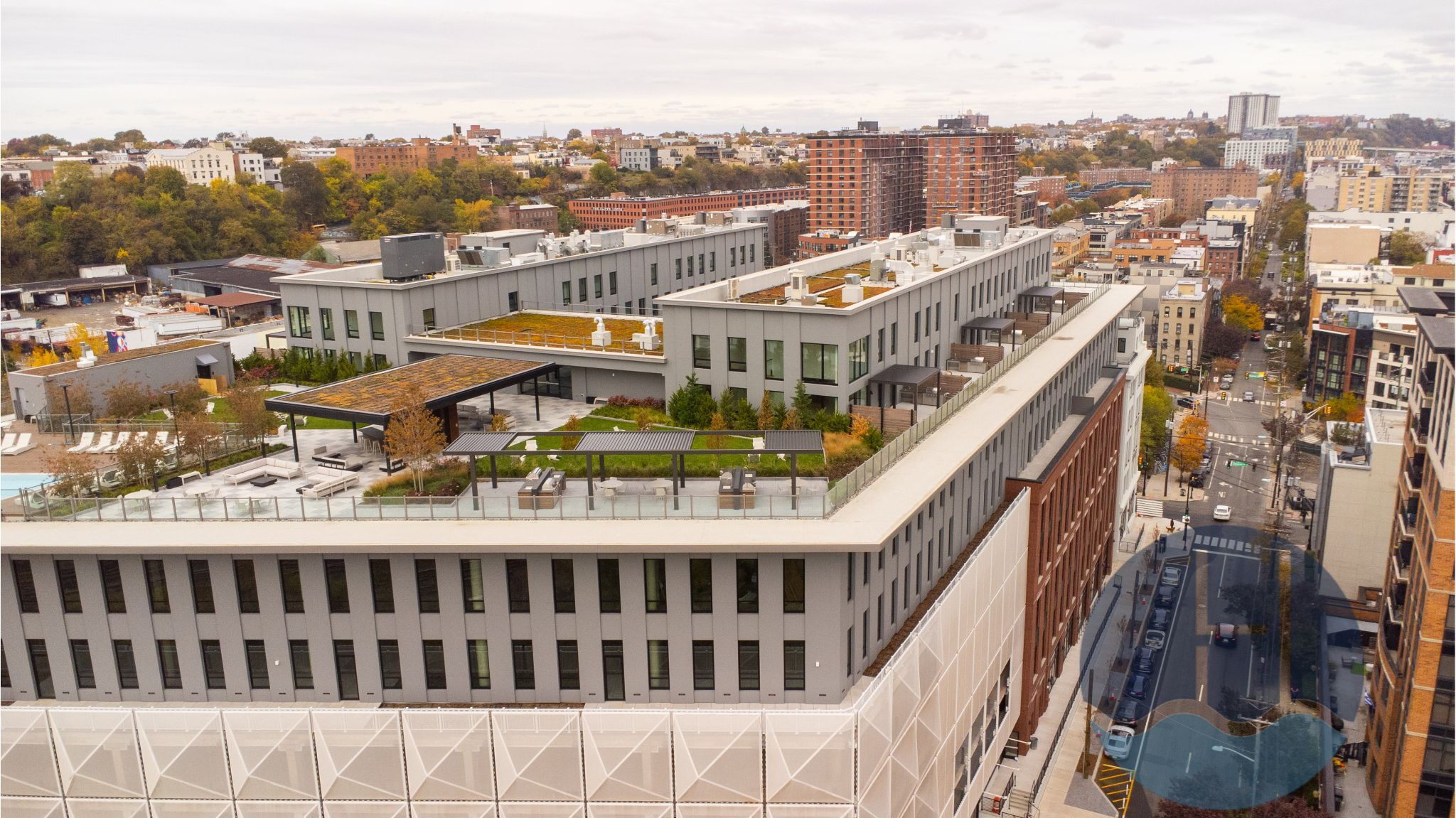
Amenities further reinforce the project’s positioning as a premium urban offering. An eighth-floor rooftop terrace provides panoramic views of the Manhattan skyline, complete with a pool and communal spaces designed for both relaxation and social engagement. The integration of retail, fitness, and dining options within the development—alongside nearby neighborhood enhancements such as expanded green spaces—creates a living environment that extends beyond the individual unit, aligning with evolving preferences for walkable, experience-driven communities.
This emphasis on transformation is not limited to large-scale developments. Across the state, individual homeowners are also redefining their spaces in response to both market conditions and lifestyle shifts. In Hoboken, a historic 1901 brownstone recently underwent a comprehensive redesign that illustrates how thoughtful interior transformation can unlock new value within existing properties. With high ceilings, detailed millwork, and abundant natural light already in place, the residence provided a strong architectural foundation. The redesign introduced a lighter aesthetic, incorporating refined finishes, vibrant patterns, and a cohesive design language that balanced modernity with the home’s original character.
The project’s success highlights a key trend within New Jersey’s housing market: the increasing importance of personalization and adaptability. As buyers face higher borrowing costs, many are choosing to invest in upgrading existing homes rather than relocating. This shift is driving demand for design expertise and renovation services, creating opportunities within a segment of the market that operates independently of new construction cycles.
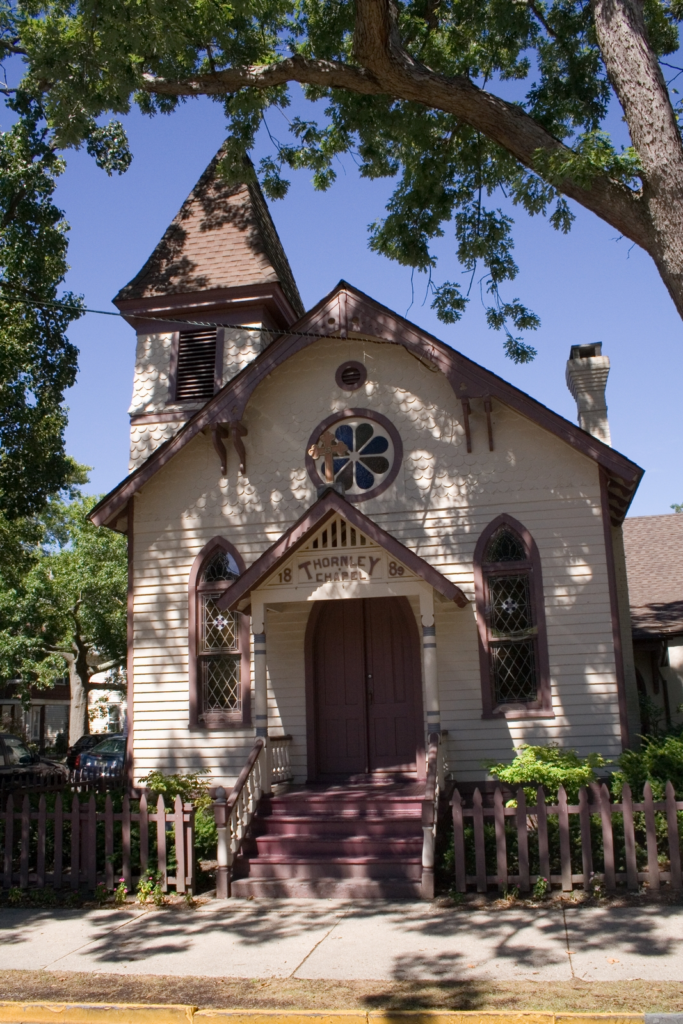
Elsewhere in the state, preservation efforts are reinforcing the cultural and historical dimension of real estate development. In Ocean Grove, the ongoing restoration of Thornley Chapel—originally built in 1889—demonstrates the role that heritage structures continue to play in shaping community identity. The project, which includes structural updates and aesthetic improvements, ensures that the chapel remains both a functional space for community events and a preserved landmark for future generations. Its continued use for youth programs, services, and cultural gatherings underscores the intersection of real estate, history, and community engagement.
Taken together, these developments illustrate the dual nature of New Jersey’s real estate market at this moment in time. On one side, macroeconomic forces—ranging from global conflict to monetary policy—are exerting pressure on affordability and transaction activity. On the other, localized innovation in design, development, and preservation is creating new pathways for growth and resilience.
For buyers, investors, and developers, navigating this environment requires a recalibrated approach. Financing strategies must account for sustained higher rates, while investment decisions increasingly hinge on long-term value rather than short-term gains. At the same time, opportunities continue to emerge in segments of the market that prioritize quality, location, and adaptability—areas where New Jersey’s diverse housing stock and strategic geography provide a competitive advantage.
Within the broader Sunset Daily News real estate landscape, the current moment stands as a clear inflection point. The market is no longer defined solely by rapid appreciation or low borrowing costs; it is being reshaped by a more complex interplay of global and local factors. As these dynamics continue to evolve, the state’s ability to innovate—through projects like Southend Lofts, through thoughtful renovations, and through preservation initiatives—will play a central role in determining how the next chapter of New Jersey real estate unfolds.



