


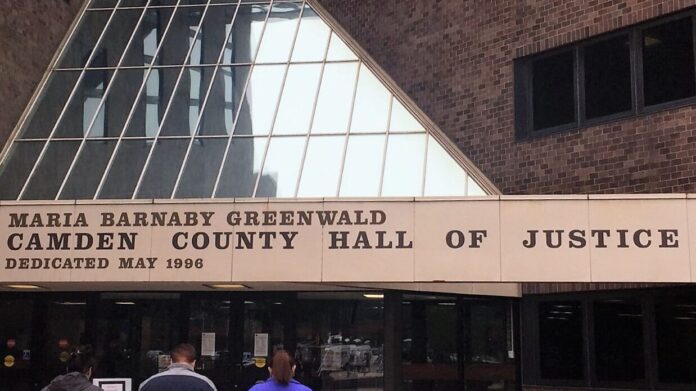

A series of major developments in Lindenwold is bringing long-awaited closure to cases that have weighed heavily on the community, underscoring the persistence of law enforcement and the justice system in delivering accountability while reinforcing public confidence in safety and order. Two separate but significant outcomes—one finalized and one approaching sentencing—have shifted the narrative from uncertainty to resolution, marking a turning point for victims’ families, local residents, and the broader Camden County region.
At the center of this moment is the guilty plea entered on May 4, 2026, by Dyheam Williams in connection with the 2020 killing of Jerry Pastore, a case that has remained deeply embedded in the community’s memory for more than six years. Pastore, the longtime owner of a neighborhood deli on Clementon Road, was widely known to residents and customers who frequented the establishment not only for its services but for its role as a local gathering place. His death left a lasting impact that extended far beyond the immediate circumstances of the crime.
The resolution of the case through a plea agreement represents a critical step toward closure. Williams accepted responsibility under a manslaughter charge, bringing an end to a prolonged legal process that included investigation, prosecution, and the complexities inherent in preparing a case for trial. The agreement includes a reduced sentence recommendation, reflecting a negotiated outcome that avoids further litigation while ensuring that accountability is formally established within the judicial system.
For many in Lindenwold, the significance of the plea lies not only in its legal implications but in what it represents for the community. After years of waiting, the case has reached a definitive conclusion, allowing those affected to move forward with a sense of resolution. The outcome also highlights the sustained efforts of the Camden County Prosecutor’s Office and local police, whose work over multiple years ensured that the case remained active and ultimately reached a conclusion.
This development is part of a broader pattern of recent legal outcomes reinforcing the principle of accountability in the region. In a separate case, Akeem Morton was found guilty on March 13, 2026, of first-degree kidnapping and attempted murder stemming from a 2024 shooting. The conviction represents another significant milestone, with sentencing scheduled for May 8, 2026. Due to Morton’s prior record, he faces the possibility of a mandatory life sentence under New Jersey’s persistent offender statute, a provision designed to address repeat violent offenses with enhanced penalties.
Together, these cases illustrate the full arc of the justice process—from investigation and prosecution to resolution and sentencing. They also demonstrate the layered nature of public safety, where individual cases contribute to a broader sense of stability and trust within a community. While each case is distinct, the outcomes collectively reinforce the idea that the system is capable of delivering results, even when the path to resolution is lengthy and complex.
The impact on the Lindenwold community is both immediate and enduring. For residents, the conclusion of the Pastore case provides a sense of closure that has been delayed for years. For local businesses and community institutions, it reinforces the importance of safety and continuity, ensuring that the environment in which they operate remains secure and stable. For law enforcement, it serves as validation of sustained effort and coordination across agencies.
Within the broader context of New Jersey law and order, these developments reflect a system that is both persistent and adaptive. Cases involving serious crimes often require extended timelines, detailed investigation, and careful legal strategy. The ability to see those cases through to conclusion—whether through plea agreements or jury verdicts—is central to maintaining the integrity of the justice system.
The role of plea agreements in this process is particularly noteworthy. While trials often capture public attention, negotiated resolutions play a critical role in the efficient functioning of the legal system. They allow for the allocation of resources, reduce the burden on courts, and provide a clear outcome for all parties involved. In the case of Dyheam Williams, the plea agreement achieved a balance between accountability and resolution, bringing an end to a case that had remained unresolved for an extended period.
At the same time, the impending sentencing of Akeem Morton underscores the continuing importance of the judicial process in addressing violent crime. The application of enhanced sentencing provisions reflects a policy approach aimed at deterring repeat offenses and protecting communities from individuals with demonstrated patterns of criminal behavior. The outcome of that sentencing will further define the region’s recent legal landscape, adding another layer to the narrative of accountability.
For Sunset Daily News readers, the significance of these developments lies in their collective impact. They represent more than isolated legal outcomes; they are indicators of a system working toward resolution, providing closure where it has long been sought and reinforcing the structures that support community safety.
As Lindenwold and Camden County move forward, the focus shifts from the uncertainty of unresolved cases to the stability that comes with accountability. The conclusion of the Pastore case and the conviction in the Morton case serve as reminders that the pursuit of justice, while often prolonged, remains a central and enduring priority.