


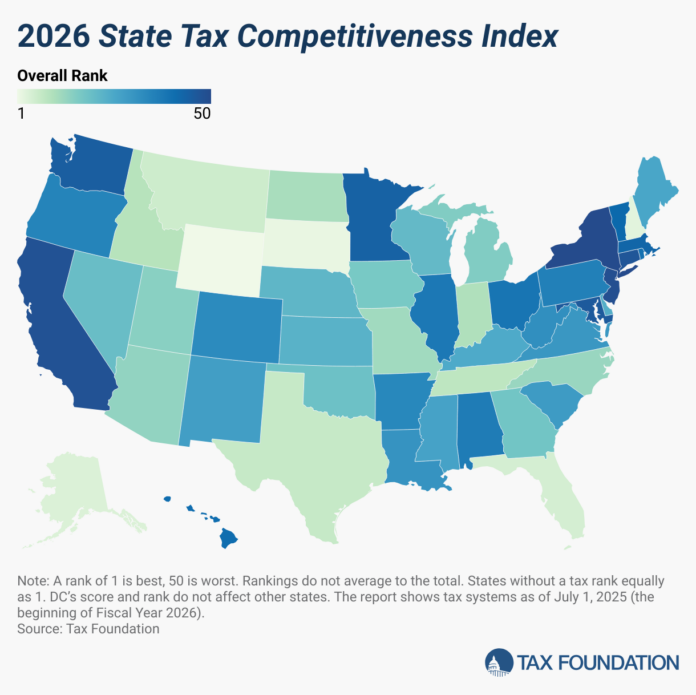

A new nationwide analysis is once again putting New Jersey’s financial landscape under the microscope, reinforcing a long-standing reputation many residents know all too well: living in the Garden State comes with one of the highest tax burdens in the United States. According to a recent study examining overall tax friendliness across all fifty states, New Jersey ranks as the second-least tax-friendly state in the country, surpassed only by Hawaii in overall tax burden.
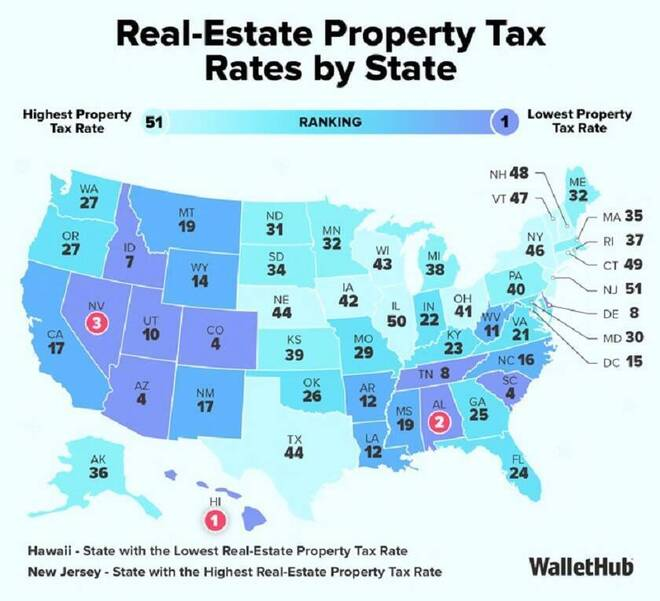
For millions of residents—from homeowners and renters to small business owners and retirees—the findings highlight a complex economic environment where income taxes, property taxes, and everyday consumer taxes converge to create one of the most expensive tax climates in America. The data reflects what many in New Jersey already experience in daily life: the cumulative weight of taxation across nearly every aspect of living and working in the state.
At the center of the report’s conclusions is a simple but powerful observation: New Jersey’s tax burden is not driven by a single category. Instead, it is the combination of several high-impact taxes that places the state near the top of the national rankings. Income taxes remain substantial, property taxes are the highest in the country, and consumption taxes add another layer of cost to daily spending.
For homeowners in particular, property taxes represent the most significant pressure point. On average, New Jersey homeowners pay property taxes equivalent to roughly 9 percent of their income, a figure that far exceeds national averages and places the state firmly at the top of the country’s property tax rankings. The impact is visible across suburban communities, urban neighborhoods, and coastal towns alike, where housing costs are compounded by annual tax obligations that can rival mortgage payments.
The property tax issue has long been one of the defining economic challenges facing New Jersey. While the state offers exceptional public services in many areas—particularly education, transportation infrastructure, and municipal services—these benefits come with a price tag funded largely through local property taxation. School funding alone accounts for a major share of municipal budgets, meaning homeowners shoulder a significant portion of the financial responsibility.
In many communities throughout Bergen County, Essex County, Monmouth County, and across South Jersey, property tax bills routinely exceed five figures annually. For families purchasing homes, the monthly financial calculation often includes not only mortgage payments but also substantial escrow contributions dedicated to local tax obligations.
This dynamic has shaped the real estate landscape in New Jersey for decades. Buyers evaluating housing opportunities in the state frequently factor property taxes into their affordability calculations as heavily as home prices themselves. In some cases, homes with moderate purchase prices may carry tax bills comparable to far more expensive properties in other parts of the country.
The broader tax structure extends beyond property ownership. New Jersey’s progressive income tax system includes multiple brackets that affect residents across different income levels. While the system is designed to scale tax contributions according to earnings, higher-income households can face significant obligations that further contribute to the overall tax burden reflected in national comparisons.
For middle-class families, the combination of income tax obligations and property taxes can create substantial annual costs even before accounting for everyday consumer expenses. Sales taxes on goods and services, fees embedded in utilities, and additional levies on various transactions all add to the cumulative financial picture.
Analysts examining the data emphasize that New Jersey’s ranking near the top of the national tax burden list is largely driven by this layered structure. Rather than one single tax category dominating the calculation, it is the collective weight of multiple taxes that pushes the Garden State toward the upper end of the spectrum.
The implications extend beyond household budgets. Businesses operating within New Jersey must also navigate the state’s broader fiscal environment, which can influence investment decisions, expansion strategies, and workforce planning. Corporate taxation, regulatory frameworks, and operational costs all intersect with the broader tax structure, shaping how companies evaluate the state’s economic competitiveness.
Despite these challenges, New Jersey continues to maintain one of the strongest regional economies in the United States. The state’s strategic location within the Northeast corridor provides unparalleled access to major metropolitan markets including New York City and Philadelphia. Its transportation infrastructure, highly educated workforce, and proximity to major financial and pharmaceutical industries remain significant economic advantages.
These factors contribute to a paradox that defines the Garden State: while the cost of living and taxation levels are high, the opportunities and resources available within the state continue to attract residents, entrepreneurs, and investors. Many individuals choose to remain in New Jersey precisely because of the benefits the state offers in education, healthcare access, employment opportunities, and quality of life.
The housing market reflects this balance between cost and demand. New Jersey real estate continues to see strong interest across multiple sectors, from suburban family homes to urban condominium developments and luxury waterfront properties. Demand for housing remains robust in many areas despite the tax landscape, driven by proximity to major employment hubs and the state’s desirable communities.
Within the broader real estate conversation, property taxes remain one of the most closely watched variables influencing home prices, buyer behavior, and long-term investment strategies. Prospective homeowners often analyze tax rates at the municipal level, comparing towns and school districts to determine where their budgets align with available housing opportunities.
Municipal governments throughout New Jersey frequently face the challenge of balancing community services with tax pressures. Local leaders must fund schools, emergency services, infrastructure maintenance, and municipal operations while responding to residents’ concerns about affordability and tax relief.
State lawmakers have periodically explored reforms aimed at addressing these challenges, including proposals to restructure school funding formulas, expand property tax relief programs, and explore new revenue strategies. Programs designed to offset property tax burdens for seniors, veterans, and lower-income households have also been introduced over time as part of broader affordability initiatives.
At the same time, demographic trends are reshaping conversations around taxation and cost of living. Younger families entering the housing market, retirees evaluating long-term affordability, and remote workers choosing where to live all factor into the evolving economic narrative surrounding New Jersey’s tax structure.
The state’s tax ranking also intersects with broader regional economic shifts. As housing markets across the Northeast continue to evolve, New Jersey’s location between two major cities positions it as both a commuter hub and a destination for professionals seeking suburban living with urban access.
Communities along the Hudson waterfront, for example, have experienced continued growth driven by professionals working in Manhattan while residing in cities like Jersey City, Hoboken, and Weehawken. These areas have seen significant development activity, new residential construction, and expanding commercial districts despite the broader tax environment.
In suburban regions, towns known for highly rated school systems continue to attract families willing to accept higher property taxes in exchange for educational opportunities and community resources. This dynamic illustrates how taxes, while a major financial consideration, are often evaluated in the broader context of services, amenities, and long-term quality of life.
For policymakers, economists, and real estate professionals, the latest ranking serves as both a reminder and a catalyst for ongoing discussions about affordability and fiscal policy in New Jersey. Addressing the balance between funding essential services and maintaining economic competitiveness remains one of the central challenges facing the state.
Residents, meanwhile, continue navigating the realities of life in one of the most resource-rich yet financially demanding states in the nation. From property tax bills arriving each quarter to annual income tax filings and everyday purchases, the financial footprint of taxation touches nearly every aspect of living in New Jersey.
The new study underscores what has long been part of the state’s economic identity: New Jersey offers exceptional opportunity, strong infrastructure, and vibrant communities—but maintaining that system comes with one of the highest tax price tags in America.
As conversations around affordability, housing policy, and economic growth continue to evolve, the Garden State’s tax structure will remain a central topic shaping its future. For residents, business leaders, and policymakers alike, the challenge moving forward will be finding ways to preserve the strengths that define New Jersey while addressing the financial pressures that come with living in one of the most dynamic states in the country.