Tires Season 3 Proves Shane Gillis Built More Than a Joke, He Built a Franchise
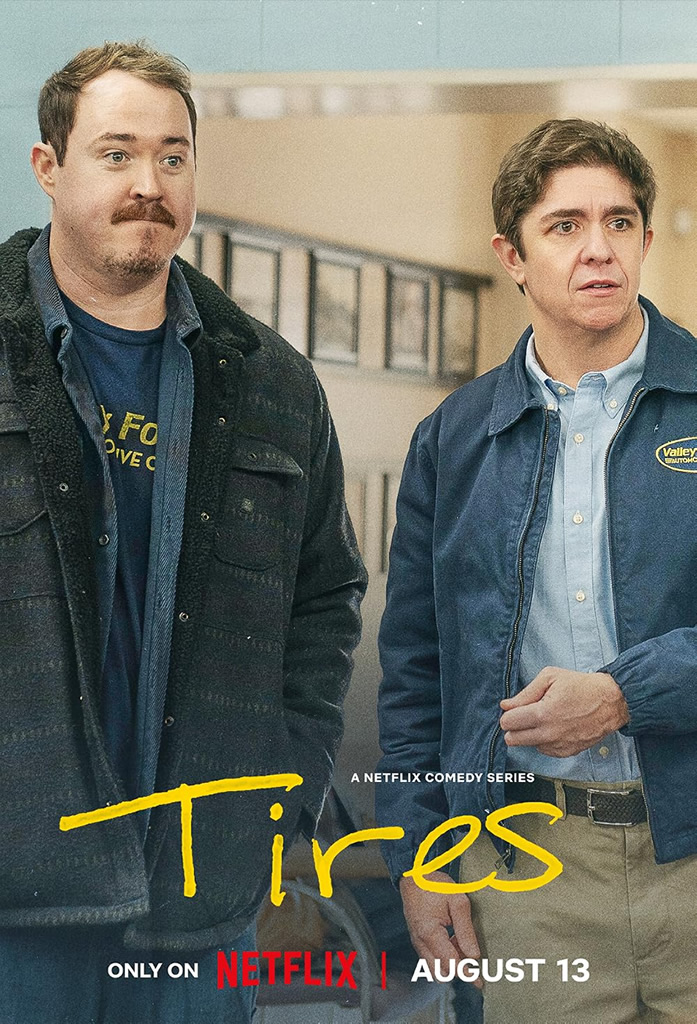
Tires Season 3 Proves Shane Gillis Built More Than a Joke, He Built a Franchise
A tire shop in suburban Pennsylvania is a strange place to build an empire. Fluorescent light. Bad waiting room coffee. A floor manager who can’t get his own cousin to stop humiliating him in front of paying customers. That was the entire pitch of Tires for two seasons, and somehow it worked. Season 3 dropped all twelve episodes as a single binge drop this past Thursday, August 13, and the joke underneath the show has quietly changed. This isn’t a scrappy proof of concept anymore. It’s a franchise, and it knows it.
Here’s what’s different. Will, played by co-creator Steve Gerben, and Shane, played by Gillis himself, are no longer just employees scraping by under someone else’s roof. They’re part owners now of the West Chester branch of Valley Forge Automotive Center, and that single status shift changes everything about how the show functions. The shop is genuinely failing. Their friendship, which has always run on a very specific brand of cousin-on-cousin torment, hits a real breaking point this season, forcing both of them to reckon with the mistakes that got them here in the first place. There’s also a running bit that doubles as something close to a real arc, Shane getting dragged, kicking and complaining, toward something resembling adulthood, and watching a character built entirely on chaos try to take anything seriously is exactly as funny as it sounds.
Production leaned into authenticity in a way that apparently made everyone miserable. Gillis has been open about it, joking on late night television that the crew made what he called a huge mistake insisting on shooting at Gerben’s actual father’s real tire shop in Pennsylvania, in the dead of winter. No soundstage. No climate control. Just a cast legitimately freezing through takes for the sake of getting the location right. It’s a small production detail, but it tracks with everything critics keep saying about this show. The commitment to feeling lived-in rather than staged is exactly what’s elevated Tires from a modest six-episode gamble in 2024 into what a growing number of reviewers are now calling one of Netflix’s best comedies, period.
The cast expansion this season is genuinely massive, and it works better than a sitcom bolting on nine new names in one go has any right to. Thomas Haden Church returns as Shane’s demanding, immature father Phil, still nudging the guys toward taking the business seriously while clearly having the time of his life doing it. This year he’s joined by Rachel Blanchard as Bonnie, his eccentric, warm, spiritually-inclined new girlfriend, who throws an unexpected wrench into the shop’s already fragile family dynamics. Matt Walsh brings his dry corporate menace to Claude, a rigid Tire World company man, while Bobby Lee plays Ricky, the entitled son of the big corporate boss, radiating exactly the kind of casual arrogance that makes Will’s blood pressure spike on sight. Billy Magnussen rounds out the new arrivals as Taylor, a slick, self-made operator with a shady shared history with Will, dangling a way out of the family business at precisely the moment Will can least afford the distraction.
What’s sneaky about Season 3 is how much emotional weight it’s willing to carry without ever losing its comic footing. Reviewers keep pointing to a genuine undercurrent running beneath Shane’s character this year, a kind of quiet, modern masculine repression that surfaces in between the bits rather than replacing them, something closer to Louie’s willingness to show the unglamorous guy behind the persona than a typical workplace sitcom would ever attempt. It’s not prestige television and it clearly has no interest in becoming that. But those small, human beats give the show a texture it didn’t have in its scrappier early seasons, and nearly every review landing this week agrees the show has never been funnier or more confident than it is right now.
The returning core stays intact and, honestly, gets more room to breathe than ever. Chris O’Connor is back as Cal, Stavros Halkias continues to milk every ounce of sleaze out of Dave, Kilah Fox gets sharper and more brutally honest scene by scene, and John McKeever, who also directs, keeps the show’s loose, improvisational energy anchored to a story that actually moves forward instead of treading water. That’s always been the trick with Tires. Half the cast comes straight out of the same live comedy and podcast scene its creators run in, and the show hands their improvisation just enough structure to push against without smothering it. This year’s guest roster leans even harder into that strength, with a memorable turn from Jamie Lynn Sigler among the season’s sharpest cameo appearances.
Critics have responded warmly, and the throughline in nearly every review is the same. Season 3 lets its characters settle into something more grounded and believable without losing the raunchy, breakneck punchline pace that made Tires an underdog success in the first place. That balance is harder to pull off than it sounds. Plenty of scrappy comedies either calcify into repeating the same bit for three seasons or oversmooth themselves the moment real money and a bigger cast get involved. Tires does neither. It just gets more confident.
Whether Tires ever becomes the kind of show people put on year-end best-of lists is beside the point. It was never trying to be prestigious. What it’s built instead, three seasons and a freezing Pennsylvania winter later, is something rarer: a comedy that keeps getting better precisely because it refuses to outgrow the tire shop that made it.
What’s Streaming
The latest premieres, comebacks, and cliffhangers, delivered as one running marquee. Tap a stub to jump straight to the full feature below.
Tires
Shane Gillis and Will are part owners now, and Season 3 proves the scrappy tire shop comedy has quietly become one of Netflix’s best.
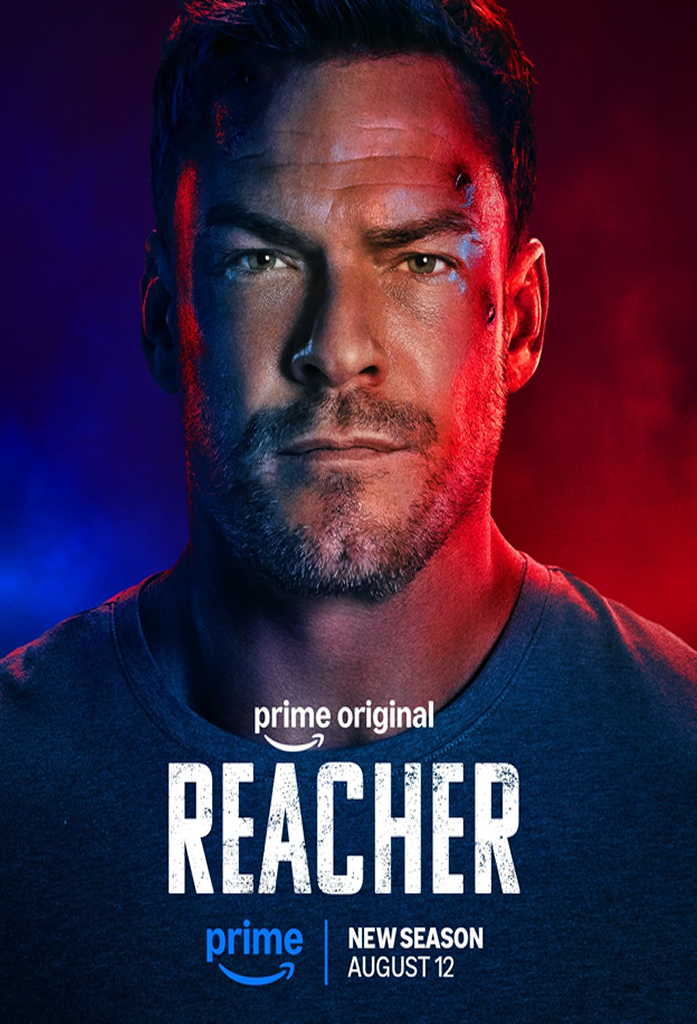
Reacher
Season 4 drops Reacher into a Philadelphia subway conspiracy, no Neagley by his side, and it reclaimed Prime Video’s global #1 spot in under 48 hours.
Send Help
Sam Raimi strands two office rivals on a jungle island and lets the power dynamics turn feral. Rachel McAdams versus Dylan O’Brien, no rules, no mercy.
The Get Out
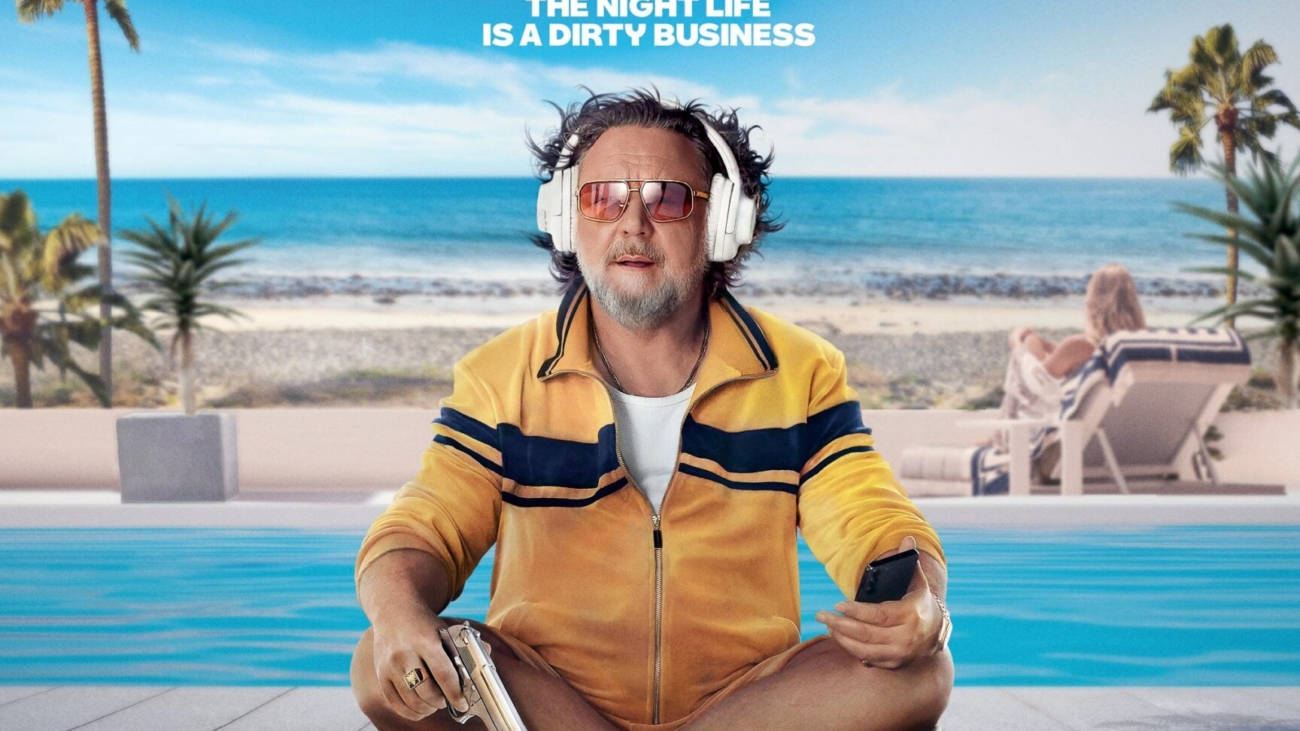
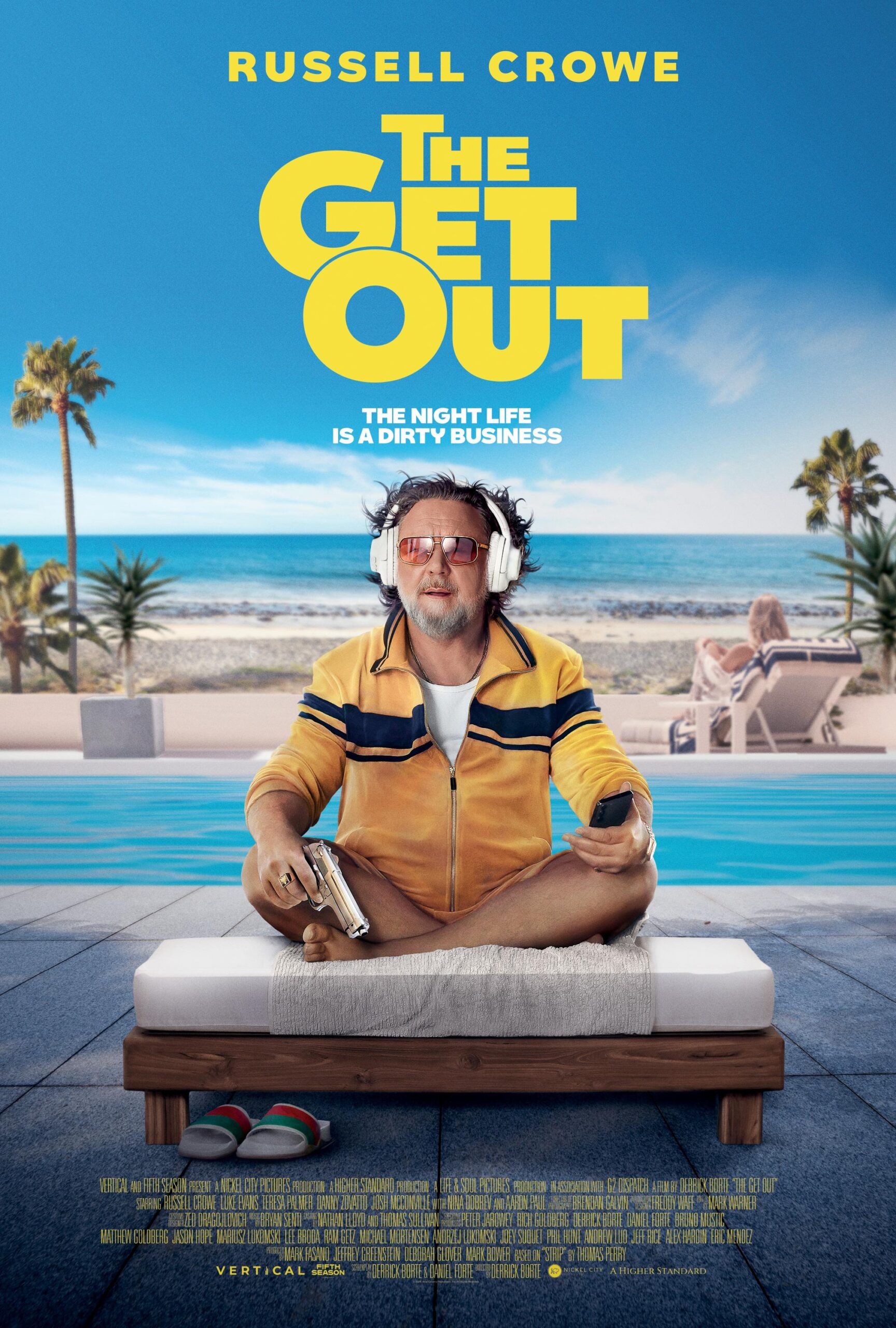
Russell Crowe plays a cartel-adjacent nightclub owner trying to retire quietly. A bungled robbery makes sure that never happens.
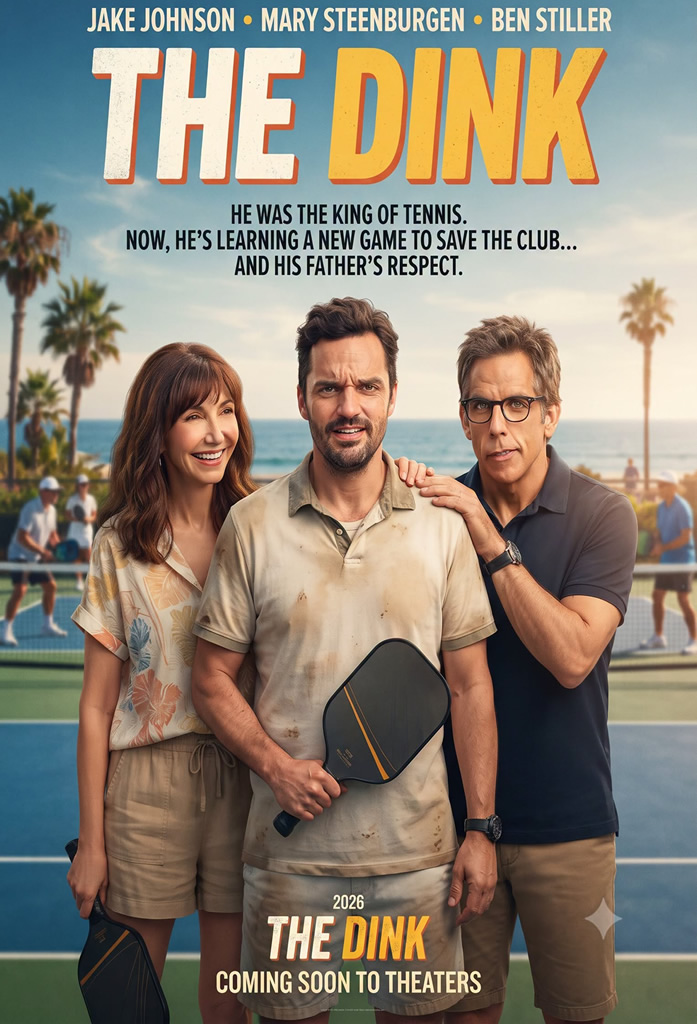
The Dink
Jake Johnson plays a washed-up tennis pro forced onto a pickleball court to save his father’s country club. Ben Stiller produces, and clearly approves.
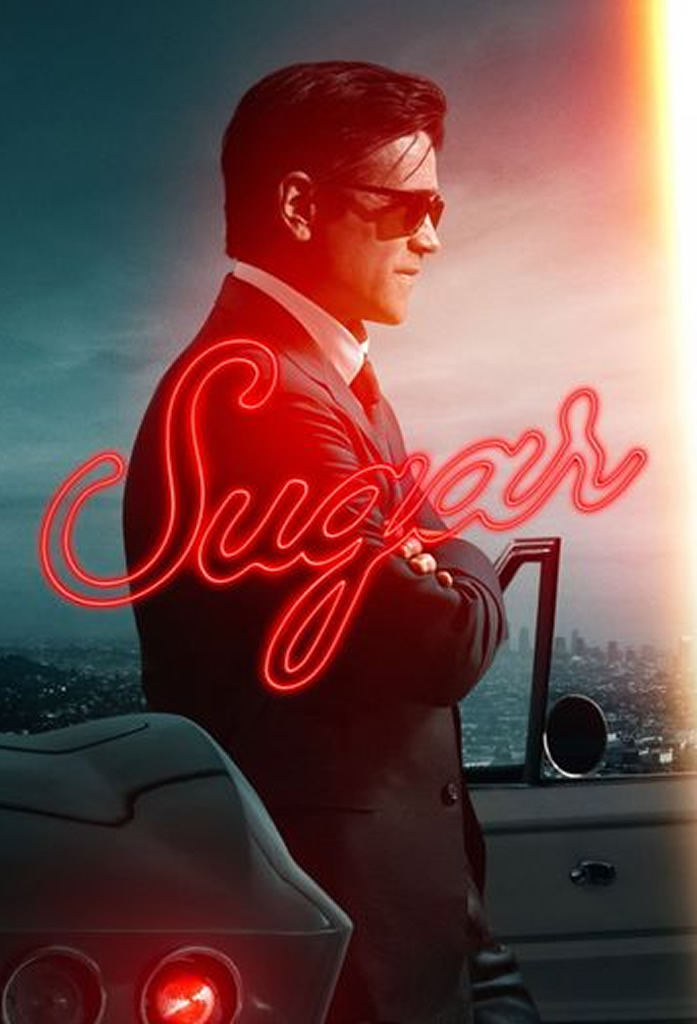
Sugar
A neo-noir detective show that reveals its lead is an alien halfway through season one, then somehow keeps getting more human from there.
The Hawk
Will Ferrell’s washed-up golf legend comeback comedy. Critics are cold, audiences are hooked, and the chart numbers side with the fans.
Lioness
Season three abandons the show’s original playbook for a shadow war on Russian and Ukrainian soil, and drags the danger straight home to Joe’s family.
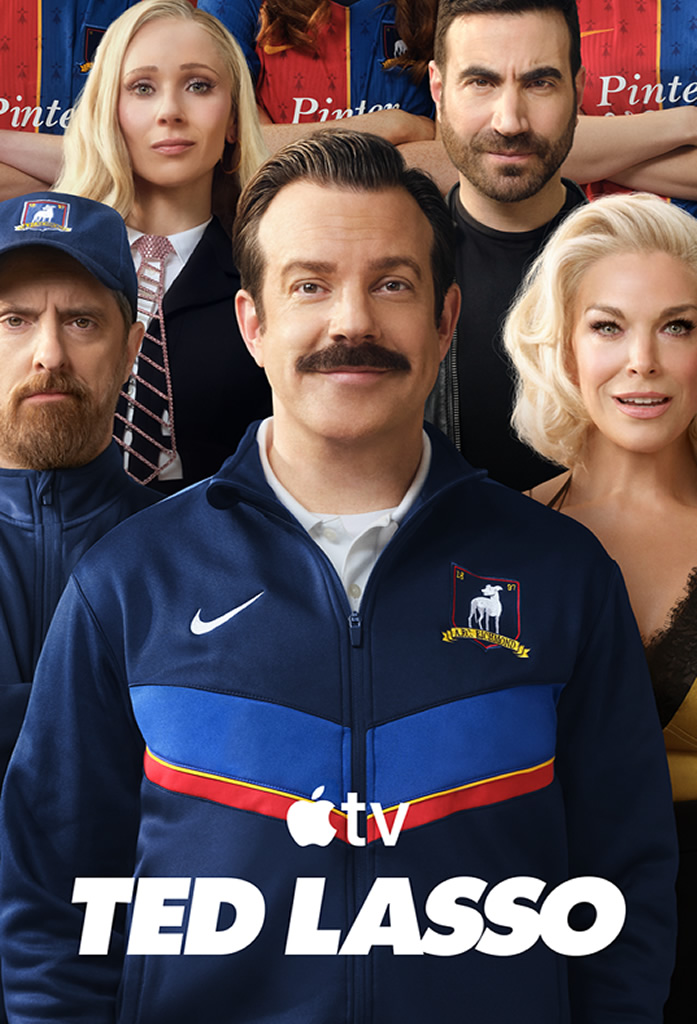
Ted Lasso
Ted comes out of retirement to coach Richmond’s brand-new women’s team. Same warmth, a whole new locker room, and a lot to prove.
Reacher Season 4 Doesn’t Just Return, It Comes Back Swinging Harder Than Ever
Three fights before the opening credits even settle. That’s the pace Reacher Season 4 sets for itself, and it barely lets up from there. The fourth run of Amazon’s brutal, deadpan action machine dropped its first three episodes on August 12, and the franchise didn’t just return quietly. Within 48 hours it had reclaimed the number one spot on Prime Video, worldwide, parking itself at the top of the charts in more than twenty countries at once. Two days. That’s all it took.
Here’s the setup. Reacher, played once again by a man who looks like he was built specifically to fill a doorway, drifts into Philadelphia chasing nothing more complicated than a cheesesteak and some live music. Typical Reacher. Except this time the wandering ends fast. On the subway, he spots a woman in visible distress, a bag clutched against her side, and does what Reacher always does. He tries to help. What happens next hits differently than anything the show has attempted before, and without spoiling it, it’s the kind of gut punch that reviewers are calling one of the most emotionally sincere moments the series has ever pulled off. From there, mercenaries, shadow federal agents, and a genuinely nervy CIA presence all start closing in, and a widening conspiracy swallows him whole. Adapted from Lee Child’s thirteenth novel, Gone Tomorrow, Season 4 trades the small town intimacy of earlier seasons for something considerably more paranoid and political, picking up well after the events of Season 3’s Persuader arc wrapped back in March 2025.
The action itself got a serious overhaul, and it shows. Reportedly unsatisfied with how Season 2 handled its fight work, Ritchson took the reins on choreography himself starting with Season 3, pushing the show toward something closer to what actually happens on the page in Child’s novels. Season 4 leans even further into that instinct. The production reportedly shot more individual fight sequences this year than in any previous season, and Ritchson has been candid about weighing that against fight fatigue, insisting every single brawl earns its place in the story rather than padding the runtime. Judging by the response so far, the gamble worked. Multiple reviewers have singled out the season’s fight choreography as the sharpest the show has ever produced, praising a shift toward blade work, vehicular stunts, and tightly constructed one-on-many brawls that make earlier seasons look almost restrained by comparison.
What makes this season genuinely interesting isn’t just the plot, though. It’s the absence. For the first time, Reacher operates without Neagley by his side, and the show knows exactly how big a risk that is. It leans into new blood instead of pretending nothing changed. Sydelle Noel steps in as Detective Tamara Green and, according to nearly every early review, walks away with a good chunk of the season’s best scenes. Christopher Rodriguez Marquette plays Jacob, the grieving brother pulled into Reacher’s orbit, and their dynamic gives the season an emotional spine it didn’t strictly need but is clearly better for having.
The numbers back up the hype. Reacher is currently sitting at a 95 percent critics’ score on Rotten Tomatoes for the new season, with the audience score reportedly its best showing since the very first year. Ritchson himself called this the best season the show has ever made before it even premiered, and the reviews landing this week back that confidence up almost across the board. A smaller pocket of critics still describe the early episodes as heavier on brooding and lighter on the wisecracking charm that made the show fun in the first place, but even the more mixed reviews tend to agree the back half accelerates hard once the season’s twistier cards get played.
None of this is a one-off swing either. Amazon confirmed a fifth season renewal back in May, well before Season 4 even landed, which will adapt Make Me, sending Reacher off a train and into a remote, unsettling farming town called Mother’s Rest, a plot reportedly built around a hidden nightmare buried in the deep web. Even bigger, a standalone spinoff centered entirely on Frances Neagley, played by Maria Sten, is queued up to premiere immediately after this season’s finale. Reacher isn’t winding down. It’s building an entire universe around its own mythology, one book at a time.
Season 4 runs eight episodes total. The first three, “City of Brotherly Love,” “Cage Fight,” and “One Small Step,” all landed together on premiere day. From here it shifts into a weekly rollout, with episode four, “Karambits and Pieces,” arriving August 19, followed by new installments every Wednesday through the season finale in September. Given how fast this thing already climbed the charts, that finale is shaping up to be must-watch television the moment it drops.
Ted Lasso Is Back. The Locker Room Isn’t the One You Remember.
Three years is a long time for a show to stay gone. Long enough that a comeback risks feeling like a cash grab dressed up in nostalgia. Ted Lasso Season 4 doesn’t take that risk. It takes a completely different one.
The season premiered August 5 on Apple TV, and the pitch alone tells you this isn’t a victory lap. Ted’s back in Kansas City, two years removed from walking away from AFC Richmond, when Rebecca Welton, Keeley Jones, and Higgins track him down stateside with an offer nobody saw coming. Not the men’s team. Not a return to the job he already conquered. Richmond’s brand-new second-division women’s side, the Lady Greyhounds, built from scratch, underfunded, overlooked, and in desperate need of exactly the kind of relentless optimism Ted’s spent his whole career weaponizing.
That’s the whole show now. A soft reboot hiding inside a familiar universe.
And honestly? It works better than it has any right to.
Here’s the thing about Ted Lasso’s first three seasons: they were never really about Ted. They were about men learning to say the quiet part out loud, about a locker room full of guys figuring out that vulnerability isn’t weakness. Season 4 keeps that DNA but points the camera somewhere new. This time it’s gender inequality in professional sports, funding gaps, media indifference, the exhausting fight for legitimacy that real women’s teams deal with every single day. Rebecca and Keeley are the ones carrying that weight now, trying to convince a fanbase that’s already decided the men’s team is the only one worth watching.
Sound heavy? It can be. But it’s still Ted Lasso. The jokes still land, mostly. The warmth is still there, stubbornly, in every scene where it has any business showing up.
Jason Sudeikis returns as Ted, obviously, still executive producing, still speaking almost entirely in folksy metaphors that shouldn’t work and somehow always do. Hannah Waddingham and Juno Temple are back as Rebecca and Keeley, both handed genuinely meatier material than the earlier seasons gave them. Jeremy Swift’s Higgins, Brendan Hunt’s Coach Beard, and Brett Goldstein’s Roy Kent all slot back into the world without missing a beat. Grant Feely takes over as Henry, Ted’s son, now old enough to actually matter to the plot instead of just existing as an emotional prop.
The new additions are where the season earns its stripes, though. Tanya Reynolds plays Alice Chilton, a new coach who could have easily been written as a Nate retread, spiky and bitter for the sake of conflict. Instead she’s given real conviction, and her clashing coaching philosophy with Ted feels earned rather than manufactured. Reviewers keep pointing to her as the season’s early standout, and it’s not hard to see why. Among the new Lady Greyhounds, a goalkeeper named Boots, played by Jude Mack, refuses to wear gloves because she wants to feel every save. That’s the kind of small, specific character detail this show has always been good at, and Season 4 hasn’t lost the touch.
Not everyone made the trip, though. Dani Rojas and Sam Obisanya are barely present, pushed to the margins now that the men’s team isn’t the focus. And Jamie Tartt, arguably the show’s best redemption arc, is gone entirely, sidelined by a scheduling conflict with another project. That’s going to sting for anyone who spent three seasons watching that character grow up on screen.
Structurally, the season also breaks its own pattern. Apple TV usually launches its prestige comedies with two or three episodes at once. This time, just one. A single premiere, which means the show takes a beat longer to find its footing than some fans might have patience for. Ten episodes total, each dropping weekly on Wednesdays at 3 a.m. ET through October 7, closing out with a finale that has a lot riding on it after a season this willing to reinvent itself.
Critics, so far, seem cautiously won over. Several reviews note the runtimes have crept up toward 45 minutes an episode, longer than the show probably needs, and that not every joke justifies the extra minutes. But nearly every review lands on the same conclusion: the Lady Greyhounds storyline gives Ted Lasso something it hadn’t had in years. A real reason to exist beyond nostalgia. One critic put it simply, the show doesn’t try to recapture old magic so much as build something new without losing what made the original special. That distinction matters. A lot of legacy revivals coast on familiarity. This one is deliberately, almost stubbornly, choosing not to.
Whether that gamble holds up over a full ten episodes remains to be seen. What’s clear after the premiere is that Ted Lasso didn’t come back just to remind you it once existed. It came back to argue it still has something worth saying, just from a different sideline than the one you remember.
Send Help (2026): Inside Sam Raimi’s Wickedly Twisted Return to Form
Seventeen years is a long time to wait for a filmmaker to come home to the genre that made him famous, but that is precisely the gap Sam Raimi closed with Send Help, the pitch-black survival comedy that has quickly become the standout theatrical event of 2026. Equal parts corporate satire, jungle survival thriller, and gleefully gruesome horror comedy, the film marks a genuine full-circle moment for the director who first terrified audiences with a cabin in the woods decades ago and now strands two office rivals on a nightmare island instead. The result is not a tidy return to any single lane. It is something stranger, funnier, and considerably bloodier than a simple nostalgia play, and it has given Raimi one of the most talked-about and financially successful films of his career.
A Corporate Nightmare That Becomes a Literal One
At its center, Send Help tells the story of Linda Liddle, played with astonishing range by Rachel McAdams, a chronically overlooked strategist who has spent years being the smartest person in every room she is never invited to lead. When the company’s longtime CEO passes away, the position Linda was quietly promised goes instead to his son, Bradley Preston, portrayed by Dylan O’Brien as a walking case study in inherited confidence and zero earned competence. Bradley hands the promotion Linda deserved to a newer, more agreeable hire, dismisses her value to his face, and then, in a half-hearted attempt to smooth things over, invites her along on a business trip to Thailand, largely so he can quietly reassign her out of his sight once they land.
The flight never lands. A violent storm rips the plane apart mid-air, killing everyone aboard except Linda and an injured, barely mobile Bradley, who wash ashore on a remote, unmapped island somewhere in the Gulf of Thailand. What follows is where the film sheds any pretense of being a straightforward survival drama. Away from boardrooms and org charts, the professional hierarchy the two of them lived under instantly collapses. Bradley cannot start a fire, cannot find food, and cannot do a single thing to keep himself alive. Linda, it turns out, is a lifelong devotee of televised survival competitions and has spent years quietly absorbing the exact skill set the moment demands. The power dynamic does not just shift, it detonates, and the film spends its back half tracking the psychological unraveling that follows as two people who despised each other in an office now depend on one another to survive a jungle that seems just as hostile to both of them.
Sam Raimi’s Fingerprints Are Everywhere
What elevates Send Help above a clever premise is the unmistakable hand guiding it. Raimi built his reputation on a very specific alchemy of dread and slapstick, the kind of filmmaking where a scene can turn from genuinely unsettling to laugh-out-loud absurd within a single cut, and that instinct is on full display here. Longtime fans will catch the visual language immediately: a predatory point-of-view tracking shot borrowed almost directly from his earliest cabin-in-the-woods work, now repurposed for a rampaging wild boar stalking the island instead of a supernatural force in the trees. It is a wink rather than a retread, evidence that Raimi is not simply recycling old tricks but reinterpreting them inside a new story.
Even the film’s supporting mythology carries his signature touch. Bradley’s late father, the former head of the company, is never seen on screen in the flesh, appearing only in framed photographs and a painting hanging in the corporate office, played in likeness by Raimi’s frequent creative partner. It is a subtle piece of stunt casting that longtime followers of the director’s work will recognize instantly and that newcomers can simply enjoy as a strange, memorable detail. Composer Danny Elfman’s score, cinematographer Bill Pope’s sun-scorched island photography, and editor Bob Murawski’s relentless pacing all reinforce a film that feels unmistakably like a Raimi production even as it operates in genre territory he has rarely visited.
The Performances Driving the Chaos
None of this works without two actors willing to commit fully to characters who are, by design, deeply unlikable at the outset. McAdams disappears almost completely into Linda, trading her typical polish for a physically demanding, emotionally volatile performance that critics have repeatedly singled out as among the finest of her career. She plays the character’s awkwardness and simmering resentment with total conviction in the film’s opening stretch, then pivots into something far more ferocious and unpredictable once the island setting strips away every social convention keeping her in check. It is the kind of transformation that tends to define an actor’s year, and reviewers coming out of early screenings made a point of noting how thoroughly she reinvents her screen persona from scene to scene.
O’Brien, for his part, walks a difficult tightrope with Bradley. He is written as thoroughly punchable from his first line, a boss who inherited his title rather than earning it and who cannot resist reminding everyone around him of that fact, yet the performance never tips into cartoonish villainy. Instead, O’Brien plays him as pathetically, believably human, a man whose ego has never once been tested until the exact moment his survival depends entirely on the person he spent years underestimating. Watching that ego dismantle itself, hour by hour, stranded, injured, and useless, is where much of the film’s dark comedy lives, and O’Brien mines it for everything it is worth.
The two actors reportedly underwent extensive physical preparation ahead of production, working with wilderness survival specialists to authentically perform the shelter-building, fire-starting, and foraging sequences that anchor the film’s island scenes. That commitment shows on screen. The survival mechanics never feel like Hollywood shorthand; they feel earned, which only heightens the tension once things start to go wrong.
Shot Across Three Continents
Production values matter enormously in a story built around isolation, and Send Help delivers a genuinely immersive sense of place. Filming took the production across Los Angeles, Sydney, and Thailand, with the island sequences shot on location to capture the kind of raw, humid, unforgiving terrain that a soundstage simply cannot replicate. The result is a film that looks and feels expensive without ever losing the claustrophobic intimacy that a two-hander story demands. Costume design, makeup, and hair all play a quiet but essential role in tracking the characters’ physical deterioration as the days on the island stretch on, reinforcing just how far both of them have fallen from the polished, buttoned-up people we meet in the film’s opening scenes.
A Certified Box Office and Critical Win
The commercial and critical response to Send Help has been resounding. The film opened as the top movie at the domestic box office and went on to gross roughly ninety-four million dollars worldwide against a comparatively modest forty million dollar production budget, a genuinely strong return for an original, R-rated genre picture in an era when studios rarely bet on anything without existing intellectual property behind it. Critics were similarly enthusiastic, awarding the film an overwhelmingly positive “Certified Fresh” score and praising it as one of the smartest, most purely entertaining theatrical releases of the year.
The reaction has consistently circled back to two things: the fearlessness of McAdams’ performance and the sheer unpredictability of Raimi’s storytelling instincts. Multiple reviewers have described the film as an unclassifiable genre mashup, drawing comparisons to everything from workplace comedies about insufferable bosses to classic desert-island survival dramas to darker psychological two-handers about power and dependency. That refusal to sit neatly inside one genre box is precisely what critics and audiences alike have responded to. It is a film that keeps recalibrating its own rules, so that just when a viewer thinks they understand who to root for, the story yanks the ground out from under that assumption again.
Why Send Help Matters Right Now
Beyond the numbers and the reviews, Send Help represents something increasingly rare in the current theatrical landscape: an original story, built around movie stars rather than franchise machinery, that trusted audiences to show up for a filmmaker’s specific voice. Raimi reportedly pushed back on early studio interest in sending the project straight to streaming, insisting instead on a full theatrical release, a bet that paid off handsomely once the film became a genuine word-of-mouth hit. In a marketplace saturated with sequels, reboots, and known properties, the success of a wholly original horror-comedy survival thriller carries weight well beyond its box office total. It is a reminder that audiences will still turn out for a distinctive directorial voice paired with movie stars willing to take real creative risks.
For longtime fans who have followed Raimi from his earliest genre work through his years shepherding blockbuster franchises and prestige studio pictures, Send Help reads like a homecoming that never once feels backward-looking. It borrows the tone, the instincts, and the fearless tonal whiplash that built his reputation in the first place, then applies all of it to a story that could not exist in any of his earlier films. Paired with two lead performances that rank among the best of both actors’ careers, it stands as not just Raimi’s most purely entertaining film in years, but one of the defining theatrical surprises of 2026.
The Get Out: Russell Crowe Turns Nightclub Owner Into Cartel Target in Derrick Borte’s Neon-Lit Crime Comedy
Russell Crowe has spent the back half of his career quietly building one of the most entertaining second acts in modern movie stardom, trading the weighty prestige dramas that once defined him for a string of gleefully unpredictable genre swings, and his latest, The Get Out, slots comfortably into that run. Released in select theaters on June 26, 2026 before moving to digital and video-on-demand platforms just four days later, the film reunites Crowe with director Derrick Borte for a neon-soaked Los Angeles crime story that trades the white-knuckle road rage of their previous collaboration for something looser, funnier, and considerably more chaotic. The result is a film built almost entirely around Crowe’s easy charisma, one that critics have described as a mixed bag on the whole but a showcase for an actor clearly enjoying himself in a genre he has quietly mastered over the past few years.
A Retirement Plan That Refuses to Cooperate
The Get Out centers on Manco Kapac, played by Crowe as an aging Albanian immigrant who arrived in Los Angeles decades earlier and built himself into the kind of only-in-America success story that looks flawless from the outside. He owns one of the city’s most sought-after nightclubs, lives comfortably, and has a devoted younger girlfriend named Sammy, played by Teresa Palmer. The wrinkle, as these stories tend to have one, is that his club doubles as a laundering operation for a ruthless cartel, a secret life that has quietly worn him down for years. After a health scare forces him to confront his own mortality, Manco decides the time has finally come to walk away from both the club and the criminal entanglements attached to it, cash out, and disappear into a quieter, safer chapter of life with the woman he loves.
Naturally, none of it goes according to plan. On a routine night making one of his usual cash runs, Manco is robbed at gunpoint by a masked amateur, a moment that sets off a chain reaction he cannot control. The cartel, unnerved by the disruption to their money and suspicious that Manco himself might be responsible, begins tightening the screws on him just as he is trying to extricate himself entirely. Compounding the pressure, an eccentric and slightly too-charming businessman named Joe Carver, played by Luke Evans, surfaces out of nowhere with a tempting offer to buy the club outright, arriving at precisely the moment Manco can least afford any more uncertainty in his life. As it turns out, the masked thief responsible for kicking off the entire mess is not some hardened professional but a small-time, in-over-his-head opportunist played by Aaron Paul, working alongside an equally underprepared accomplice played by Nina Dobrev. What follows is a tangle of overlapping schemes, mounting suspicion, and rising body counts as multiple factions with competing interests all converge on Manco at once, forcing him to talk, negotiate, and occasionally fight his way through a Los Angeles underworld that no longer has any patience left for his retirement plans.
Familiar Genre DNA With a European Update
The source material traces back to Thomas Perry’s 2010 crime novel Strip, and the finished film wears its genre lineage openly, evoking the loose, character-driven crime comedies that filmmakers like Elmore Leonard’s adaptations and Shane Black’s ensemble capers made popular in decades past. Borte and co-writer Daniel Forte lean into that tradition rather than away from it, building a story that thrives less on tight plotting than on the collision of colorful, morally compromised personalities all scrambling for the same pile of money. It is the kind of setup that lives or dies almost entirely on its cast’s chemistry, and the film leans heavily on Crowe’s ability to anchor a story that keeps threatening to spin off into several different directions at once.
What sets Manco apart from the typical world-weary crime boss archetype is a surprising thread of decency running through the character. Rather than meeting every threat with escalating violence, Manco is written as someone who reaches for his gun reluctantly, tries to de-escalate confrontations where he can, and treats even his own employees’ mistakes with more patience than the genre typically allows. It is an unusual choice for a story built around cartel pressure and armed robbery, and it gives Crowe’s performance a warmth that stands out amid the film’s darker, more comedic instincts.
Crowe Leans Into His Late-Career Comedic Streak
If there is a consistent throughline in how critics have responded to The Get Out, it is genuine enthusiasm for what Crowe is doing with the role. Building on the comedic instincts he first showcased opposite Ryan Gosling and has continued refining in a series of gonzo genre performances over recent years, Crowe plays Manco with a distinct, deliberately theatrical accent and a loose, self-amused energy that several reviewers singled out as the film’s most reliable pleasure. He is not chasing awards-season gravitas here; he is clearly having fun, and that enjoyment reads clearly on screen even when the surrounding material grows uneven.
The supporting cast brings its own texture to the chaos. Paul and Dobrev, playing the two amateur thieves whose bungled robbery sets the entire plot in motion, share a lived-in rapport that multiple critics noted as some of the film’s strongest material, even suggesting the pair had enough spark between them to headline a spinoff of their own. Evans, meanwhile, gets to indulge in some of the film’s most memorably eccentric touches as the mysterious would-be buyer, conducting business in unconventional settings and throwing himself into the character’s more theatrical flourishes with evident relish. Palmer rounds out the core ensemble as Manco’s girlfriend, providing a grounded emotional anchor amid the surrounding mayhem, while Daniel Zovatto brings a coiled menace to the cartel figure applying pressure from the shadows.
Shot on the Gold Coast, Set in the Heart of Los Angeles
Despite unfolding entirely within the geography of Los Angeles, from its Koreatown-adjacent nightlife scene to the tense back-alley confrontations that punctuate the back half of the story, The Get Out was actually filmed on Australia’s Gold Coast, a now-common production choice that speaks to the economics of contemporary studio filmmaking as much as anything else. The production team worked to recreate the specific texture of Los Angeles nightlife convincingly, and the finished film largely succeeds in selling its setting despite the geographic sleight of hand behind the camera.
This marks the second collaboration between Crowe and Borte, following their 2020 road-rage thriller that became a surprise hit during an unusual moment for theatrical releases. Where that earlier film built its tension through relentless, almost single-minded pursuit, The Get Out asks Borte to juggle a much wider ensemble and a considerably lighter tone, alternating between genuine crime-thriller stakes and broader comedic beats. Critics have been split on how successfully that tonal balancing act comes together, with some praising the film’s game cast and unexpectedly good-natured worldview, and others feeling the shifts between dark comedy and straight crime drama never fully resolve into a consistent identity. What nearly everyone agrees on, however, is that Crowe’s committed, clearly enjoyable performance provides more than enough reason to watch, particularly for audiences who have come to appreciate the actor’s willingness to poke fun at his own dramatic reputation in recent years.
Where the Film Lands in Crowe’s Ongoing Genre Renaissance
Taken as a whole, The Get Out fits neatly into the increasingly interesting late-career pattern Crowe has carved out for himself, one built on a genuine willingness to chase weird, high-concept genre material rather than coast on his earlier prestige-drama reputation. Whether audiences discover it in its brief theatrical window or, more likely, stumble onto it while scrolling through VOD offerings looking for something to fill an evening, the film offers exactly the kind of breezy, star-driven entertainment that has become something of a specialty for Crowe in this stage of his career. It may not be destined for major awards conversations, but as a showcase for an actor who continues finding new, unexpected registers to play in, The Get Out delivers exactly what it promises: a loose, colorful, occasionally messy crime caper elevated by a star clearly enjoying every accented, over-the-top minute of it.
The Dink: Jake Johnson and Ben Stiller Serve Up Apple TV’s Pickleball Comeback Comedy
Pickleball has spent the past several years quietly taking over the American backyard, and now the sport finally has the big, broad, unapologetically silly comedy it deserves. Apple Original Films is set to premiere The Dink globally on Apple TV on Friday, July 24, 2026, a summer sports comedy built around the collision of old school tennis pride and the paddle sport that has been steadily eating its lunch. Produced by Ben Stiller, who knows a thing or two about turning an underdog sport into a cultural moment after his work on Dodgeball, and led by a cast stacked with reliable comedic talent, the film arrives with the kind of pedigree that suggests Apple is treating this premise with far more care than a quick punchline about middle aged suburbanites and their paddles.
At the center of the story is Dusty Boyd, played by Jake Johnson, a man once known around his hometown courts as The Hammer for the kind of tennis talent that seemed destined for greatness. Years later, that promise has curdled into something closer to quiet resentment. Dusty now spends his days coaching a pack of unruly children at his father’s suburban country club, chasing an approval that never quite arrives no matter how hard he tries to earn it. His father Chuck, played by Ed Harris with the kind of stern conviction that only a veteran character actor can bring to a joke this absurd, has built his entire identity around tennis and views the club’s growing pickleball obsession as something closer to a moral collapse than a passing trend. Dusty, ever the loyal son, has spent years quietly backing his father’s disdain for the sport without ever really questioning it.
That loyalty gets tested the moment Dusty reaggravates an old injury on the tennis court, one severe enough to end his playing days for good unless he finds another way to stay active during recovery. His doctor, played by Stiller himself in a scene stealing supporting role, hands him an unlikely prescription. Pickleball, dorky as it may look from the sidelines, turns out to be the fastest and safest path back toward physical form. Dusty accepts the diagnosis reluctantly and picks up a paddle for the first time, fully expecting to hate every second of it. Instead, paired with an unexpectedly skilled and endlessly enthusiastic partner named Candace, played by Mary Steenburgen, he finds himself slowly falling for a sport he has spent his entire adult life mocking.
What follows is a classic underdog sports arc filtered through a distinctly modern, slightly ridiculous lens. As Dusty’s connection to pickleball deepens, so does the tension with his father, whose disdain for the sport hardens into something closer to a full blown crusade against it. The club itself becomes the real stakes of the story, its future hanging in the balance as generational rivalries, bruised egos, and long buried athletic failures all come bubbling back to the surface. Dusty is eventually pulled into a climactic, winner take all showdown that forces him to reconcile his old identity as a tennis prodigy with the new one he has stumbled into almost by accident, all while trying to finally earn the respect from his father that has eluded him for years. Along the way, the film leans into a genuinely clever piece of stunt casting by bringing in tennis legend Andy Roddick to play a version of himself as Dusty’s long standing childhood rival, adding a layer of authenticity to the sports comedy formula that similar films rarely bother to chase. John McEnroe also appears as himself, giving the film’s tennis world an added dose of real credibility even as the story spirals into increasingly broad comic territory.
The ensemble surrounding Johnson and Steenburgen reads like a checklist of dependable modern comedic talent. Patton Oswalt, Chloe Fineman, Chris Parnell, and Aaron Chen round out a supporting cast clearly assembled to keep the jokes landing in every scene, while Stiller’s dual role as producer and scene stealing supporting player gives the project an added layer of connective tissue to his own history with underdog sports comedy. Behind the camera, director Josh Greenbaum brings the same absurdist confidence that made Barb and Star Go to Vista Del Mar such a memorable comedic swing, while screenwriter Sean Clements, whose credits include the beloved workplace comedy Workaholics, supplies the script with the kind of character driven humor that tends to separate the sports comedies people actually remember from the ones that fade quickly.
What seems to set The Dink apart from a simple parody of a trending pastime is the level of genuine care the production put into representing the sport itself. Johnson has spoken about how little he initially knew about pickleball heading into the shoot, and how much that changed once cameras started rolling, crediting the production’s insistence on treating the on court action as seriously as any traditional sports film would. That commitment to authenticity, paired with a script more interested in themes of reinvention, ego, and fractured father son dynamics than cheap sight gags alone, gives the film a sturdier emotional foundation than its premise might initially suggest.
Tonally, The Dink slots comfortably alongside the lineage of oddball sports comedies that turned niche or overlooked competitive worlds into full blown cultural touchstones, drawing easy comparisons to films like Dodgeball, Happy Gilmore, and Talladega Nights. Like those predecessors, it seems less interested in poking fun at its subject from a distance and more focused on finding real, if exaggerated, human stakes buried underneath the comedy. Running a brisk one hour and forty two minutes, the film is positioned as an easy, breezy summer watch built for exactly the kind of casual, communal viewing experience that made those earlier underdog comedies into repeat watch staples.
With pickleball’s popularity showing no signs of slowing down and a cast this stacked with comedic firepower, The Dink arrives at a moment when its premise feels less like a novelty and more like a genuinely timely cultural snapshot. Whether audiences come for Johnson’s familiar charm, Stiller’s underdog sports pedigree, or simply the novelty of watching two real tennis legends step into a pickleball fueled comedy, the film looks positioned to become one of the more purely enjoyable original comedies Apple has released to date. When it premieres globally on Apple TV this July, The Dink has every opportunity to do for pickleball what its cinematic predecessors did for dodgeball and competitive golf, turning an easy punchline into an unexpectedly heartfelt underdog story that earns its laughs honestly.
Sugar: Inside the Neo Noir Mystery That Hides an Alien Detective in Plain Sight
Few television premises have managed to pull off a genre switch as audacious as the one buried inside Sugar, the Apple TV series that spent its opening episodes convincing viewers they were watching a classic Los Angeles detective story before quietly revealing something far stranger underneath. Now heading into its second season, the show has become one of the more distinctive entries in the current streaming landscape, anchored by a lead performance from Colin Farrell that has only grown more assured as the story around him has expanded. What began in 2024 as a moody homage to old school noir has evolved into a genuinely unusual two season arc that blends detective fiction, science fiction, and a surprisingly tender meditation on grief and belonging.
At the center of it all is John Sugar, a private investigator who specializes in tracking down missing people, a professional focus that traces directly back to his own unresolved anguish over a sister who vanished years earlier and has never been found. Farrell plays Sugar with the kind of old fashioned charm that immediately signals a throwback to a bygone era of Los Angeles crime fiction, all tailored suits, classic cars, and a genuine reverence for the golden age of cinema that the character quotes from constantly. For roughly the first half of its debut season, the show plays this atmosphere completely straight, following Sugar as he investigates the disappearance of a young woman named Olivia Siegel and slowly peels back the layers of a wealthy, secretive Hollywood family.
Then, around the midpoint of the season, the story reveals its hand. John Sugar is not human. He is part of an extraterrestrial group sent to observe humanity from the shadows, blending seamlessly into Los Angeles society while quietly studying the species he was assigned to watch. His seemingly superhuman reflexes, his unusual tolerance for alcohol, and the private, unexplained medical routines that punctuate his daily life all suddenly make sense once his true nature comes into focus, and when he drops the human disguise entirely, his skin shifts to a striking shade of blue. It is a swing few detective dramas would dare attempt, and it landed as one of the more divisive twists in recent television memory, splitting audiences between those who felt betrayed by the tonal shift and those who saw it as one of the boldest creative risks a mainstream streaming series had taken in years.
What keeps the reveal from feeling like a gimmick is how thoroughly the show commits to exploring its emotional implications rather than simply using it for shock value. As Sugar’s investigation into Olivia’s disappearance deepens, he discovers that members of his own alien community, sent to Earth under the same quiet observational mandate, have begun to corrupt themselves through prolonged exposure to human vice and violence. By the time the first season reaches its conclusion, Sugar is forced into an extraordinary decision. Rather than returning home with the rest of his people, he chooses to remain on Earth, determined to hunt down a fellow alien named Henry who has been quietly enabling a serial killer, and equally determined to keep searching for answers about his missing sister. It is a finale that reframes the entire series retroactively, transforming what looked like a stylish crime procedural into a story about isolation, empathy, and what it truly means to become part of a world you were only ever supposed to watch from a distance.
Season two picks up on that foundation and pushes it into more personal, more emotionally direct territory. Sugar returns to Los Angeles for a new case that initially looks straightforward on the surface, tracking down the troubled older brother of a rising local boxer named Danny Moon, only to find the investigation spiraling into something far larger and more sinister than a routine missing persons case. As Sugar follows the trail toward a mysterious figure known as Ji, he crosses paths with a dangerous new adversary named Vega and finds himself pulled into the orbit of a citywide conspiracy that forces him to question exactly how far he is willing to go in pursuit of justice. Along the way, the season weaves in an ever expanding web of complications, an unexpected new admirer, a serious falling out with his ally Charlotte, and a tense alliance built inside the inner circle of a powerful player named Pavich, all while Sugar continues chasing the one lead that matters most to him personally, the fate of his sister.
The returning and newly expanded cast gives the season plenty of room to breathe. Farrell remains the clear emotional anchor of the show, but he is joined by a strong supporting ensemble that includes Jin Ha, Raymond Lee, Tony Dalton, Laura Donnelly, Sasha Calle, and Shea Whigham, each bringing a different shade of menace, warmth, or moral ambiguity to the widening conspiracy Sugar finds himself untangling. Structurally, season two keeps things tight and efficient, unfolding across eight episodes released weekly, each running a brisk forty minutes, a pacing choice that suits the show’s noir instincts and keeps the mystery moving without ever overstaying its welcome.
Critical response to the new season has been largely positive, with many reviewers pointing to Farrell’s performance as the show’s most consistent strength, praising the way he continues finding new emotional shading in a character who is technically alien but has become, over two seasons, one of the more quietly human protagonists on television. Some critics have noted that the season pulls back slightly on the boldness of its science fiction premise compared to the first year’s audacious reveal, choosing instead to use Sugar’s extraterrestrial identity more sparingly, often as a thematic parallel to broader questions of displacement and belonging rather than a constant plot engine. Whether that restraint reads as a wise recalibration or a slightly cautious retreat from the show’s original creative risk has become one of the more interesting points of debate among critics covering the season, though virtually all of them agree that the mystery itself, the atmosphere, and Farrell’s central performance remain more than compelling enough to carry the show forward.
Taken as a whole, Sugar has quietly become one of the more original genre experiments in modern streaming television, a series willing to disguise a strange, melancholy story about alienation and grief inside the trappings of a classic detective yarn. Two seasons in, it continues to reward patient viewers willing to follow John Sugar down every winding alley of Los Angeles, blending old Hollywood glamour with a genuinely strange science fiction backbone that gives the show an identity unlike almost anything else currently streaming.
The Hawk: Will Ferrell’s Absurd Golf Comeback Comedy Is Splitting Critics and Conquering Netflix’s Charts
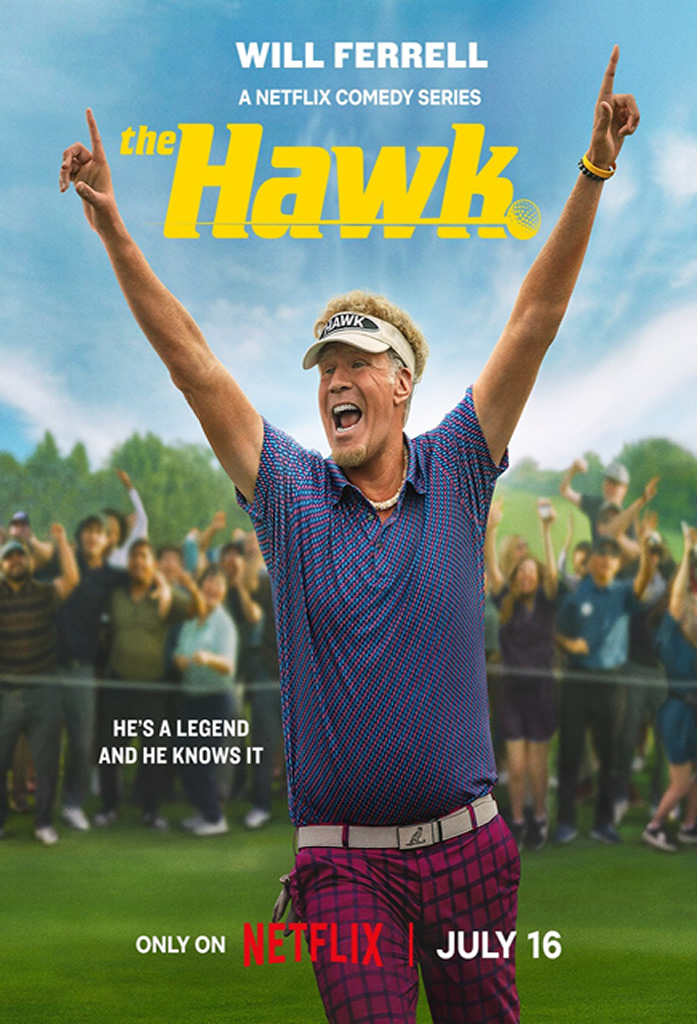
Every so often a show arrives that perfectly illustrates the widening gap between what critics want from comedy and what audiences are actually showing up to enjoy, and Will Ferrell’s new Netflix series, The Hawk, has quickly become the defining example of that divide in the summer of 2026. Since premiering on July 16, the ten episode golf comedy has rocketed to the top of Netflix’s global charts, pulling in a staggering 4.8 million views in its opening days and settling comfortably into the number two spot on the platform’s United States Top 10, outpacing established catalog favorites in the process. It is, by nearly every measure of raw viewership, one of the biggest streaming success stories of the month. It is also, according to a wide swath of professional critics, one of the year’s more disappointing comedic swings. Both things appear to be true at once, and that exact tension is precisely why everyone is talking about it.
The premise sits squarely in Ferrell’s comfort zone. He stars as Lonnie Hawkins, nicknamed The Hawk, a once legendary golf champion whose career flamed out spectacularly years earlier and who now refuses to let that failure define his final chapter. Rather than accept retirement gracefully, Lonnie mounts a loud, chaotic, thoroughly undignified comeback attempt on the professional tour, determined to chase down one last career defining title even as his own son, played by Jimmy Tatro, is rising through the ranks poised to take his place. It is the kind of premise that practically writes its own trailer, echoing the rise, fall, and redemption arc that powered some of Ferrell’s most beloved sports comedies from earlier in his career, and the show leans into that lineage unapologetically, positioning itself as spiritual kin to the kind of oddball athletic underdog stories that made him a comedy institution in the first place.
Surrounding Ferrell is a genuinely stacked ensemble built to support the chaos. Molly Shannon plays Lonnie’s sharp tongued, understandably exasperated ex wife Stacy, who has moved on to selling a golf themed spiked tea while still very much orbiting her ex husband’s disaster zone of a life. Fortune Feimster plays Sam, an unlikely new caddie Lonnie recruits under distinctly unglamorous circumstances after his longtime caddie unexpectedly dies, and the rapport between the two of them has emerged as one of the show’s most consistently praised elements, built on an easy, improvisational chemistry that keeps landing even when the surrounding material grows shaky. Luke Wilson rounds out the central cast as Golden Fisk, Lonnie’s smug, needling professional rival, delivering a performance multiple critics have singled out as one of the season’s clear highlights, while Tatro brings a surprisingly grounded, tightly wound energy to Lonnie’s son, a disciplined young golfer wrestling with the pressure of stepping directly into his father’s oversized shadow.
Behind the camera, the pedigree is hard to ignore. Ferrell co created the series alongside longtime collaborator Chris Henchy and writer Harper Steele, whose work on the acclaimed documentary Will and Harper added an unexpected layer of anticipation to the project, and Knives Out filmmaker Rian Johnson signed on as an executive producer, lending the show an additional dose of prestige adjacent credibility before a single episode had aired. That level of talent, paired with a premise this tailor made for Ferrell’s specific comedic register, is part of why expectations climbed so high heading into the premiere, and part of why the eventual critical reception has felt like such a jolt by comparison.
The numbers tell one story. The Rotten Tomatoes split tells another entirely. Critics have not been kind, with the Tomatometer landing at a rough twenty nine percent, and reviewers across outlets describing the humor as tired, oddly underwritten, and overly reliant on beats the genre has already run into the ground through past Ferrell vehicles. Several critics pointed specifically to a stretched, sketch like quality to the writing, arguing that a premise built for a tight ninety minute feature struggles to justify a full ten episode season, with jokes that land occasionally rather than consistently and stretches of dead air between the show’s better sight gags. Some reviews went further, suggesting the series never fully commits to the sharper, more pointed sports satire its premise seemed to promise, settling instead for a gentler, less surprising version of the underdog formula.
Audiences, however, have responded in almost the opposite direction. The Popcornmeter score sits at a considerably warmer sixty seven percent, and social media has been full of viewers happily embracing the show’s unhinged, over the top energy exactly as intended, treating it less as a rigorous comedic achievement and more as an easy, breezy weekend binge. That reaction is helped considerably by the show’s format. Ten fast paced half hour episodes make for an incredibly low commitment watch, the kind of series that invites a full binge in a single sitting without ever asking too much of its audience. Interestingly, several reviewers who were otherwise lukewarm on the broader comedy found themselves surprised by the emotional undercurrent running beneath Lonnie’s relationship with his son, noting that the father son dynamic between Ferrell and Tatro delivers a handful of genuinely affecting moments buried underneath all the golf themed absurdity, giving the show an emotional core that critics did not necessarily expect walking in.
That gap between critical dismissal and audience enthusiasm has become something of a talking point in its own right, with entertainment outlets framing The Hawk as a textbook case study in the modern streaming disconnect, where a show can be simultaneously declared a creative letdown by professional reviewers and an outright hit by the very metric that keeps it on Netflix’s homepage. Whether that pattern says more about shifting critical expectations for broad, algorithm friendly comedy or simply confirms how durable Ferrell’s specific brand of everyman absurdity remains with casual viewers, the end result is the same. The Hawk has become appointment viewing for a huge swath of Netflix’s audience regardless of what the reviews say, driven by a cast clearly having fun, a handful of standout comedic performances from Wilson and Feimster in particular, and just enough sincerity buried inside the silliness to keep people watching past the first punchline that does not quite land.
For longtime fans of Ferrell’s specific comedic wheelhouse, The Hawk offers exactly what it promises on the label, a loud, occasionally uneven, thoroughly committed sports comedy that trades subtlety for volume and mostly gets away with it. Whether it ultimately earns a second season or ends up remembered as a strange footnote in Ferrell’s long career of oddball athletic underdogs, its opening weeks have already proven one thing conclusively. Critics and audiences are not just disagreeing about The Hawk, they are having an entirely different conversation about what the show is trying to be, and right now, the version audiences are watching is winning.
Lioness Season 3 Trades Its Original Mission for a War Zone, and It Might Be Sheridan’s Boldest Bet Yet
Forget everything you thought you knew about how this show works. Lioness built its name on a single, tightly wound premise: send an American soldier undercover, get her close to a target’s inner circle, close the trap. It was intimate. It was surgical. Season 3 blows that formula up entirely and drags the fight straight onto the actual front lines of a real war. That’s not a small creative pivot. It’s Taylor Sheridan betting his most action forward series can survive without the thing that made it distinct in the first place.
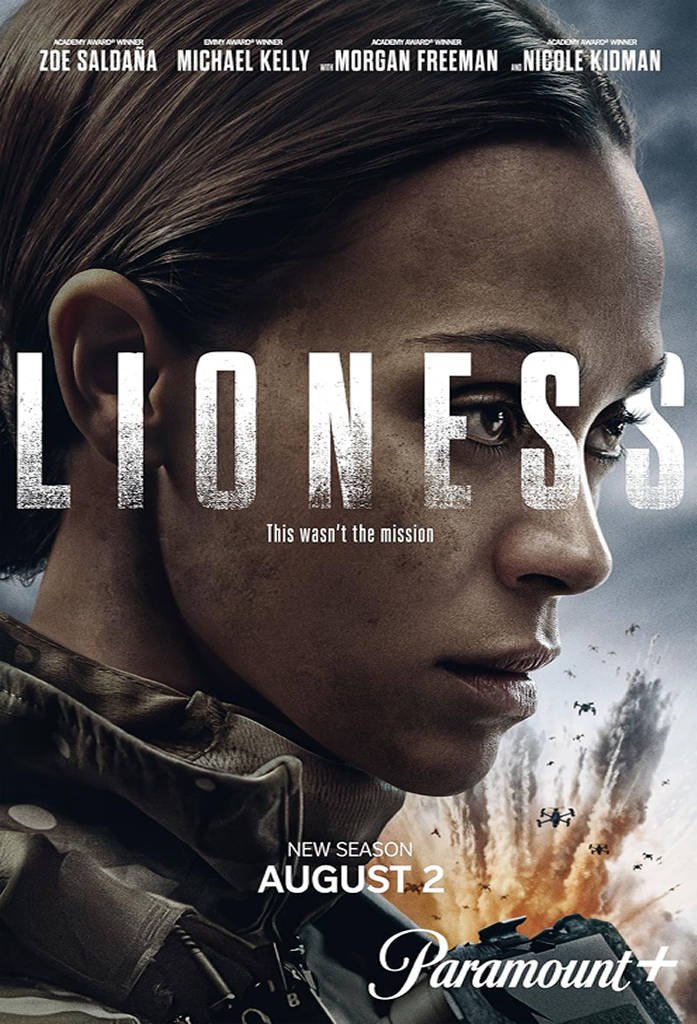
Premiering Sunday, August 2 on Paramount Plus, the new season drops CIA case officer Joe McNamara, played once again by Zoe Saldaña with the kind of exhausted, wired intensity that’s become her calling card, into a story that finally lives up to the phrase “worlds colliding.” Instead of embedding a new lioness inside a cartel or a terror cell, this season sends the entire operation barreling into the Russia and Ukraine conflict, weaving in hidden networks, foreign operatives, and covert missions that eventually trace their way back to American soil. And just when Joe should be locked in on the most volatile theater of her career, the danger follows her home. Straight to her daughters. Straight to her front door.
That’s the real engine of the season, according to the official logline: a woman stretched between two impossible jobs, running an overseas operation with global stakes while a threat closes in on the family she barely has time to protect. It’s a version of Joe we haven’t fully seen before, one where the professional and the personal aren’t just overlapping, they’re actively at war with each other.
Here’s where things get interesting structurally. Early reviews describe a season that opens with Joe already in danger, then rewinds to show exactly how everything fell apart. It’s a dual timeline gamble, and depending on who you ask, it either sharpens the tension or muddies the pacing. Reviewers who caught the first two episodes flagged a torture sequence early in the run that’s genuinely difficult to sit through, the kind of scene Sheridan seems to specialize in: morally messy, uncomfortably staged, and clearly meant to needle at the audience rather than let them off easy.
The returning cast is doing a lot of the heavy lifting here, and honestly, that’s probably the season’s biggest safety net. Saldaña anchors things as Joe. Nicole Kidman is back as the icy, calculating Kaitlyn Meade. Michael Kelly returns as Byron Westfield, and multiple early reviews single him out this season, calling his work some of the sharpest the show has produced. Morgan Freeman, Laysla De Oliveira, Genesis Rodriguez, and Dave Annable all slide back into their established roles, giving the season a sense of continuity even as the plot itself veers somewhere entirely new.
New blood arrives too. Yellowstone alum Ian Bohen joins as a series regular playing a character named Grady, and Mayor of Kingstown’s Elizaveta Neretin has been added in a role Paramount Plus is keeping deliberately, almost stubbornly vague. Read into that what you will. Sheridan loves a mystery hire, and this one has already sparked speculation that she could end up being the next lioness in spirit, even if the show never says so outright.
And then there’s the twist nobody saw coming: Sheridan himself steps in front of the camera this season, playing a character named Cody. The man who’s spent years building an entire streaming universe from behind the scenes is now acting in one of his own shows, which is either a fun bit of stunt casting or a sign that Sheridan simply can’t resist being everywhere his empire touches down. Either way, it’s the kind of detail that gets people talking before a single episode airs.
So does the gamble pay off? Reviews so far are landing somewhere between cautiously impressed and openly conflicted, which, for what it’s worth, is fairly normal territory for this show. One critic called the shift away from the original lioness concept a genuine loss, arguing the season turns what used to be a distinctive spy drama into something closer to a generic thriller, just with a bigger budget and higher stakes. Another take was blunter still, noting the show has never quite figured out how to make its morally complicated action sequences land the way Sheridan clearly intends them to. Fair criticism, honestly. Lioness has always struggled with that particular tightrope.
But plenty of other reviewers are calling this the strongest season yet, praising the way the story finally widens its lens beyond a single undercover mission to explore the broader machinery of modern warfare, the drone strikes, the AI powered decision making, the sheer speed at which conflict now moves. One review pointed to a scene involving swarming combat drones as some of the most unsettling modern warfare imagery the show has ever put on screen. That’s not a small compliment for a series that’s built its entire identity around visceral, boots on the ground tension.
Where does that leave things heading into Sunday? Split, but leaning positive. The season currently sits at a strong 86 percent on Rotten Tomatoes, built admittedly on a small early batch of reviews, and even the more skeptical takes tend to concede the performances, particularly Kelly’s, are worth the price of admission alone. Whether the war torn, geopolitically ambitious version of Lioness ends up being remembered as the show’s boldest evolution or its most identity confused detour is genuinely still up for debate. What isn’t up for debate is that Sheridan swung hard this time. No half measures, no safe retread of what worked before.
Episodes will roll out weekly rather than all at once, starting with the premiere “The Spider and the Fly” on August 2, followed by “No Sorrow Like the Survivor” on August 9, with new installments landing every Sunday through the season finale on September 20. Eight episodes. Eight weeks. A slow burn toward whatever Joe McNamara’s breaking point actually looks like this time around. Given how far this season is willing to push its own format, that finale is shaping up to be one of the most unpredictable endings Sheridan has delivered across his entire streaming universe.