

What Is NFL Network, and Why Does It Still Matter in an Age of Streaming Splintering
What Is NFL Network, and Why Does It Still Matter in an Age of Streaming Splintering
Football never actually goes dark anymore, and that’s largely because of one channel built to make sure of it. NFL Network is the league’s own twenty four hour operation, owned and run directly by the NFL rather than licensed out to a third party the way most sports coverage works. That distinction matters more than it sounds. ESPN and Fox Sports cover football as one piece of a much bigger sports buffet. NFL Network exists for exactly one purpose, and it doesn’t apologize for the tunnel vision.
Mornings on the network belong to Good Morning Football, the show that’s quietly become the closest thing pro football has to appointment television outside of Sundays. It blends breaking news with pop culture asides and enough daily debate to fuel a full slate of sports talk radio, and it’s done that consistently enough since 2016 to become the network’s flagship by a wide margin. NFL Total Access picks up the thread at night, running through all thirty two teams with the kind of insider reporting that fans have come to expect from names like Ian Rapoport and Tom Pelissero, while the network’s Gameday pre and post shows lean on former players and coaches to frame whatever just happened, or is about to.
Where the network separates itself from a typical studio operation is its documentary library, and that’s really where NFL Films earns its keep. A Football Life turns individual careers, wins, losses, and all, into genuinely cinematic profiles, treating football legacies with a level of narrative craft most sports docs don’t bother with. America’s Game does something similarly ambitious at scale, working through the story of every single Super Bowl champion with behind the scenes access most fans never see elsewhere. Even the Top 100 Players countdown, built entirely on current players ranking their peers, gives the offseason a reason to keep paying attention when there isn’t an actual game on the schedule.
That offseason coverage is arguably where NFL Network does its most valuable work, precisely because nobody else fills the gap the same way. The Scouting Combine gets full drill by drill treatment, turning obscure forty yard dash times into national conversation for a few days every spring. The NFL Draft gets the same all in treatment, every round, every pick, dissected in real time. Training Camp Live rounds things out over the summer, pulling cameras directly into team facilities months before the season actually starts, which is exactly the kind of access a league owned network can secure that outside broadcasters generally can’t.
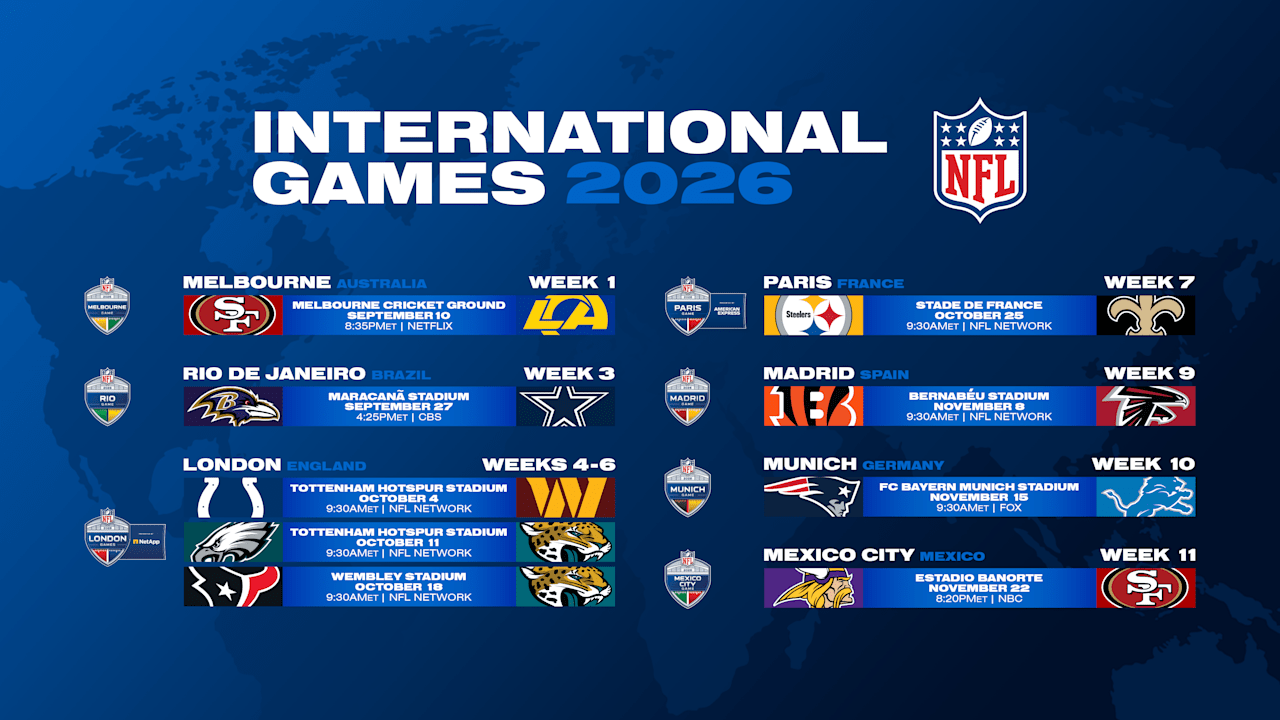
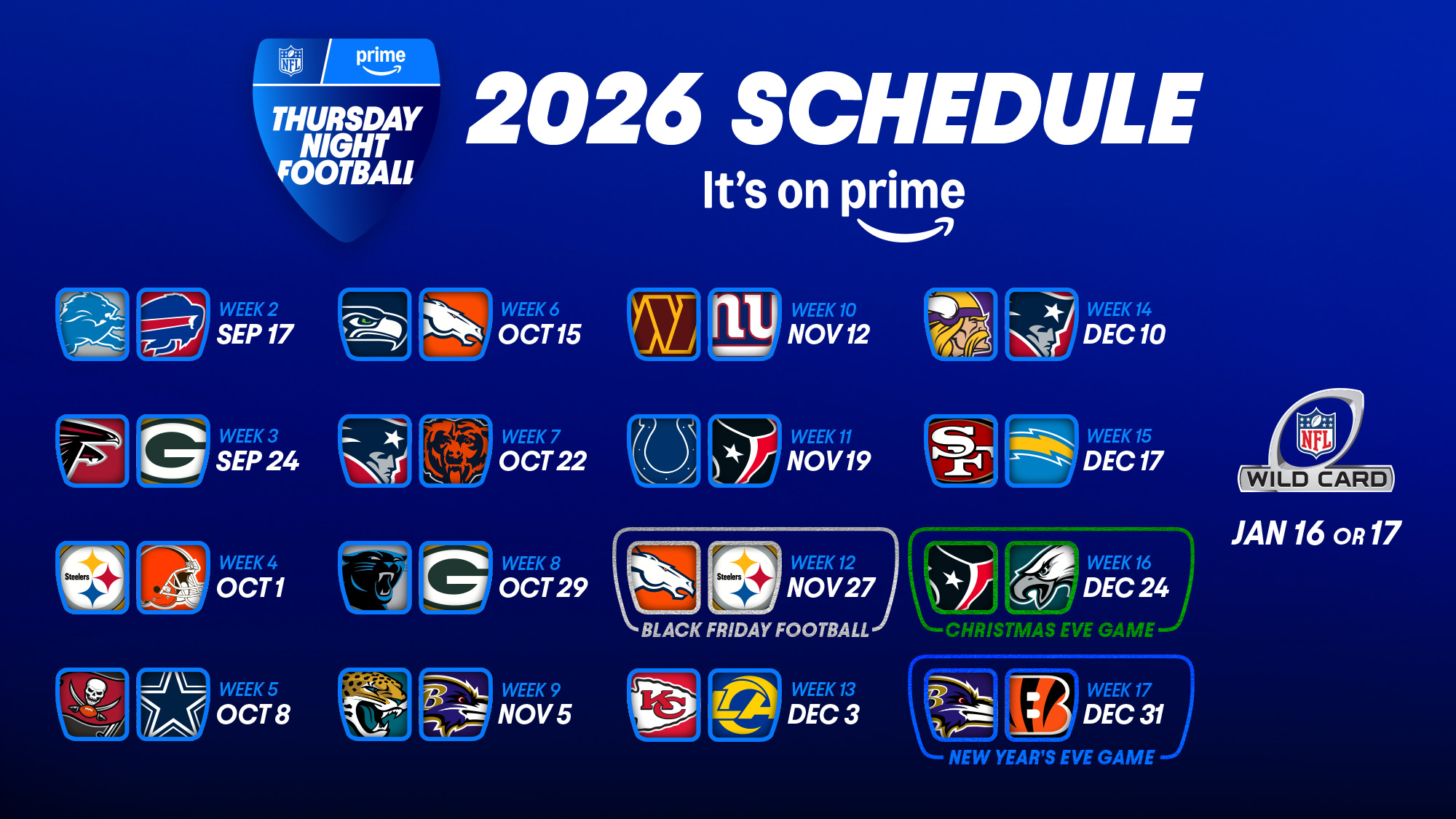
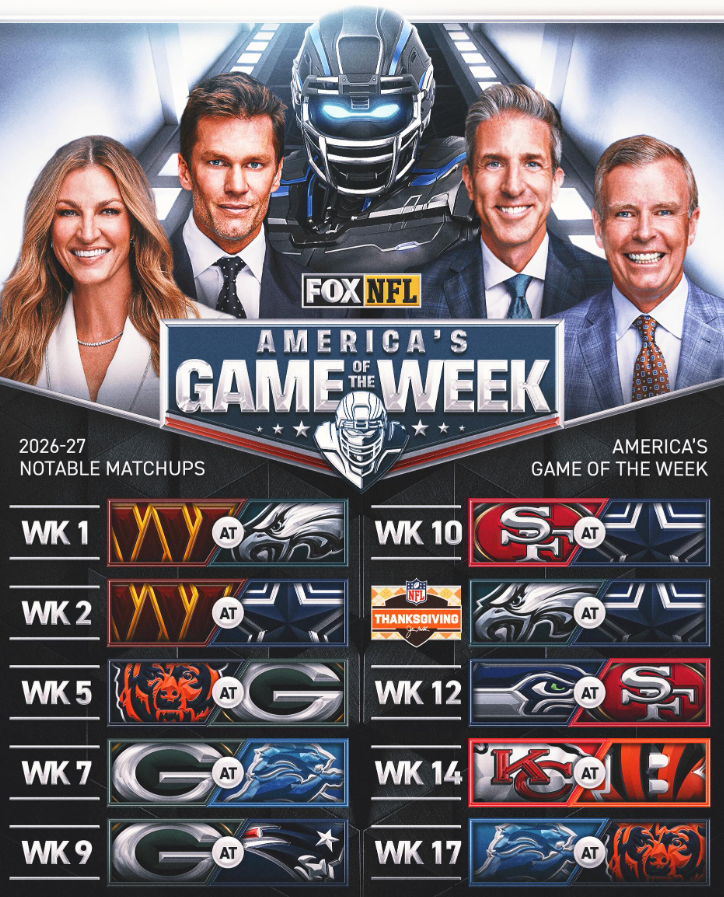
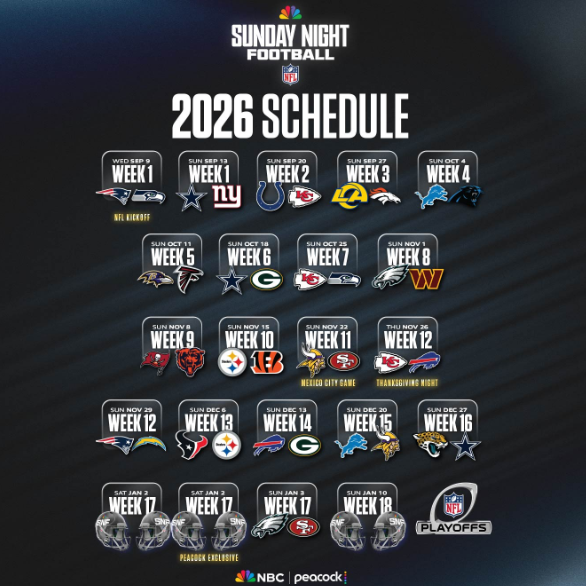
As for actual live football, the network’s slate has narrowed as media rights have splintered across an increasingly crowded field of platforms. International games, a handful of preseason matchups, and the newer wave of Saturday games later in the season make up most of what NFL Network broadcasts live these days, alongside condensed replays running through the week for anyone who missed the original window. The bigger picture of how to actually watch football has scattered considerably. Sunday afternoon locals still run through CBS and Fox, out of market Sunday games route through Sunday Ticket on YouTube TV, Thursday nights belong to Amazon Prime Video, Sunday nights sit on NBC and Peacock, Monday nights split between ESPN and ABC, and select holiday games have started showing up on unlikely hosts like Netflix. It’s a lot to track, and NFL Network’s own live slate is really just one piece of a much wider, increasingly fragmented broadcast map.
What that fragmentation hasn’t managed to do, though, is make NFL Network irrelevant. If anything, it’s carved out a clearer identity precisely because it isn’t trying to be the place for live games anymore. It’s the place for everything football adjacent that happens between games, the news, the history, the draft obsession, the offseason speculation that keeps fans engaged through months with no actual football being played. In a media landscape where football rights get split six different ways every season, having one channel that exists purely to talk about the sport, all day, every day, still counts for something.