Life, Larry and the Pursuit of Unhappiness an Almost History of America

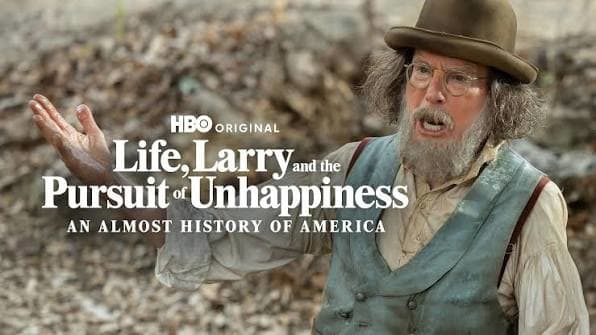
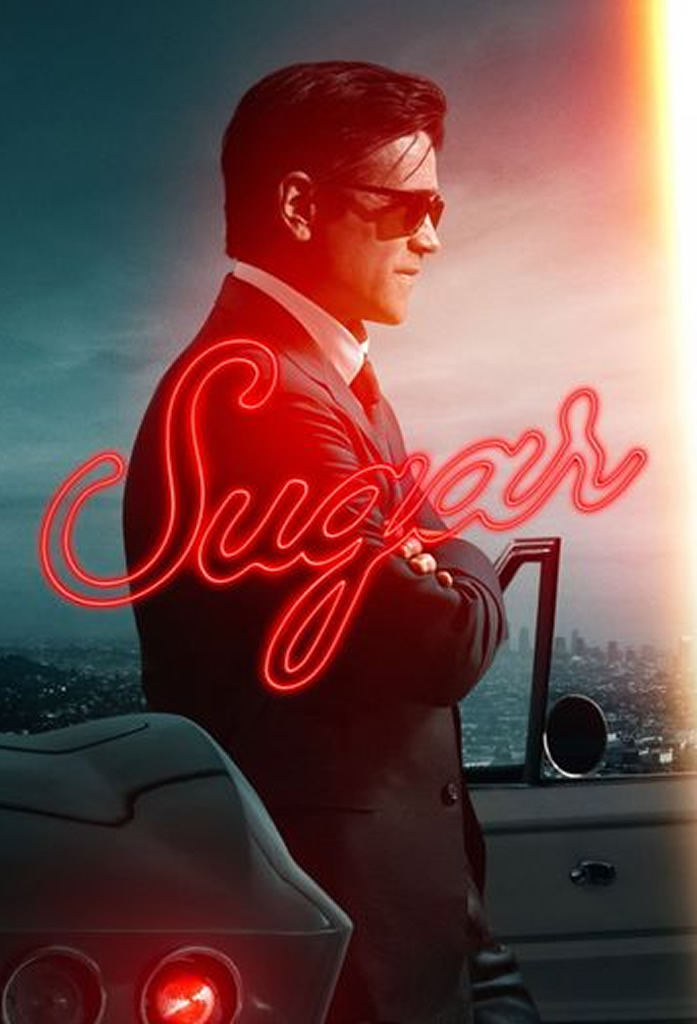
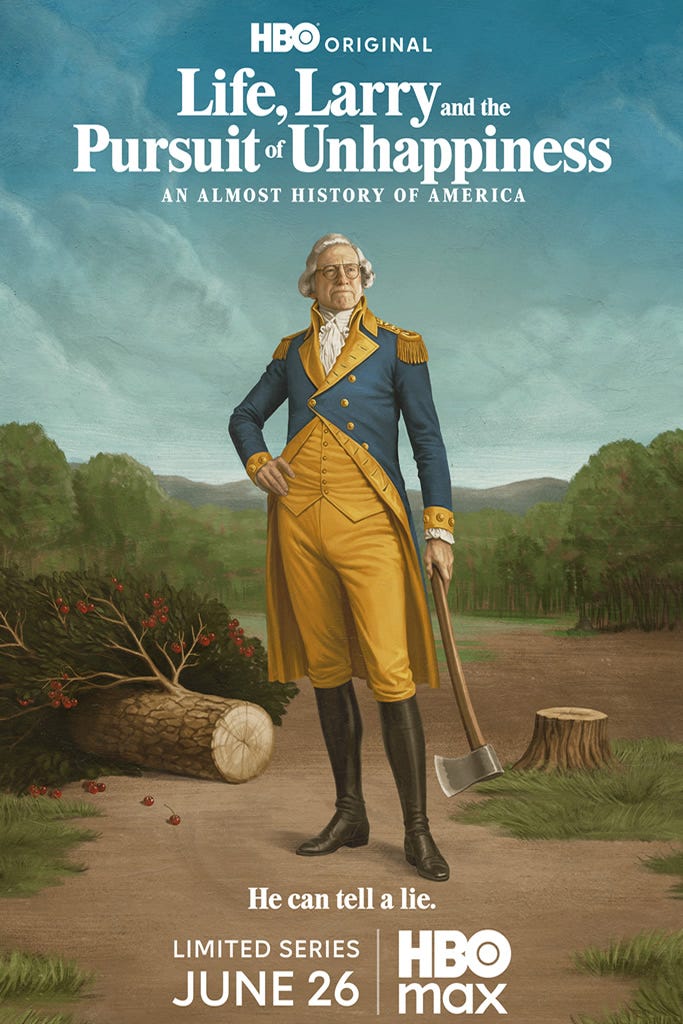
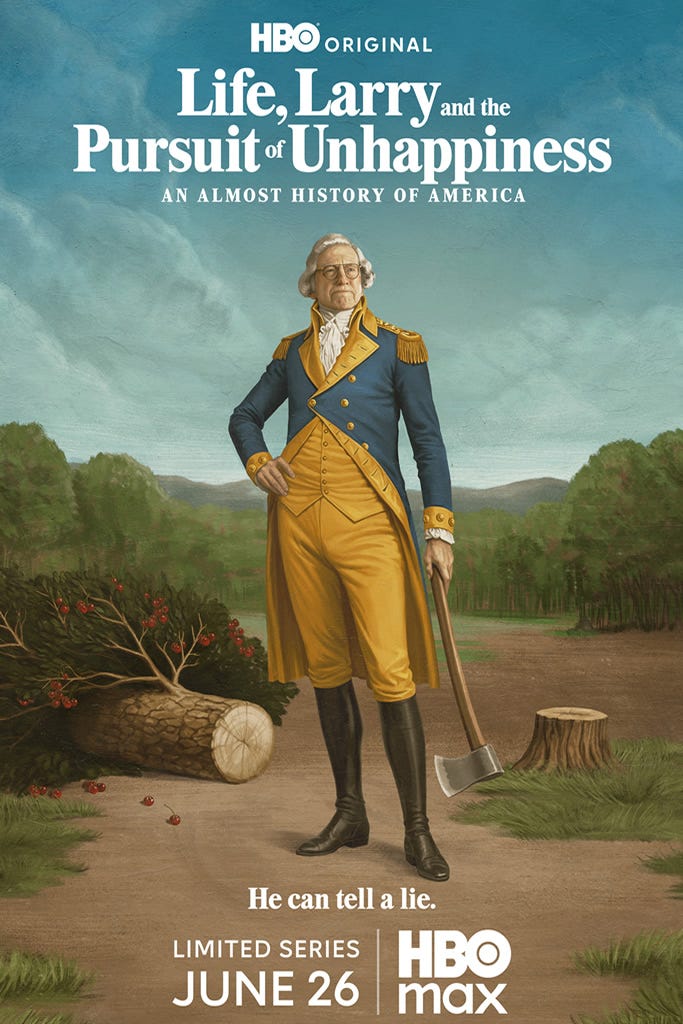
Life, Larry and the Pursuit of Unhappiness: An Almost History of America (2026)

Life, Larry and the Pursuit of Unhappiness: How Larry David Just Rewrote 250 Years of American History — And Got Away With It

There is a version of America’s 250th birthday that involves soaring orchestral music, Ken Burns-style dissolves between sepia photographs, and a narrator who sounds like he is personally apologizing for the passage of time. And then there is the version where Larry David crashes the party, refuses to sit where he’s told, complains that nobody used a coaster on the wooden table of liberty, and accidentally derails the entire democratic experiment.

Guess which version HBO chose.

Life, Larry and the Pursuit of Unhappiness: An Almost History of America arrived on June 26, 2026 — today, on the very cusp of the nation’s Semiquincentennial — and it is exactly as audacious, as bizarre, and as only-on-HBO as that premise suggests. Seven episodes. Four historical sketches per half-hour. One relentlessly cantankerous protagonist. And an official logline that reads like a warning label: “Those who don’t know history are doomed to watch Larry David repeat it.”

Welcome to the most unexpected birthday present America has ever received.

The Origin Story: When the Obamas Called Larry David

In television, the phrase “passion project” gets thrown around so casually that it has lost almost all meaning. But the origin story of Life, Larry and the Pursuit of Unhappiness is genuinely unusual — the kind of development deal that sounds like a pitch comedian’s bit before you realize it actually happened.

It started with Barack and Michelle Obama. Their production company, Higher Ground Productions, had been quietly building a premium content portfolio since the former president left the White House, with a focus on stories that reflect America’s complexity and humanity. When the milestone of the nation’s 250th anniversary began appearing on the horizon, they wanted to mark the occasion in a way that was thoughtful, meaningful — and maybe a little fun.

Then Larry David called.

That sentence has essentially become the unofficial tagline of the entire series, and it is entirely earned. According to HBO’s own promotional materials, the show’s setup is essentially: “President and Mrs. Obama wanted to honor America’s 250th anniversary and celebrate the unique history of our nation on this special occasion… But then Larry David called.” Both Barack Obama and Michelle Obama serve as executive producers on the series alongside David, his longtime creative partner Jeff Schaffer, and producers Ethan Lewis and Vinnie Malhotra. The Obamas are not passive names on a credit roll — they were instrumental in bringing Larry David back to television, and Barack Obama appears in the series himself, both as its Rod Serling-esque host and as a full-blown comedy sketch partner.

At the premiere event on June 23 at the Hollywood Legion Theater, HBO’s Executive Vice President of Comedy Programming Amy Gravitt captured the improbability of the whole thing perfectly from the stage: no one, she said, had “historical sketch comedy” on their bingo card for what Larry David would do next. She credited the Obamas directly for making it happen.

The series was first announced in July 2025, when HBO confirmed an untitled half-hour sketch comedy had been ordered from David and Schaffer. The title was revealed alongside a teaser trailer in May 2026, with a full trailer dropping the following month. By then, the sheer scope of the guest roster had begun to leak out, and what looked like a quirky limited experiment started to feel like an event.

The Creative Architecture: Schaffer, Improvisation, and the Curb DNA

To understand Life, Larry and the Pursuit of Unhappiness, you have to understand the creative machinery that built it — and that machinery is almost identical to the one that ran Curb Your Enthusiasm for twelve seasons across twenty-four remarkable years.

Larry David co-created and executive produced the series alongside Jeff Schaffer, who also directs every episode. Schaffer is not a casual collaborator — he is one of the architects of the Curb universe, a veteran of both Seinfeld and the later seasons of Curb, and the co-creator of The League. The two men share a creative language built on years of working in the same uncomfortable comedic key. Their shorthand is instinctive and their sensibilities are almost frighteningly aligned: both are obsessed with the granular injustices of social interaction, the tyranny of unspoken rules, and the specific misery of being a person who notices everything wrong with the world and cannot stop saying so out loud.

Crucially, the dialogue in Life, Larry is largely unscripted. Like Curb Your Enthusiasm, the show operates from structural outlines rather than fully written scripts, allowing the actors to improvise within the framework of each scenario. This is a signature of David’s approach to comedy — the idea that genuine awkwardness and genuine surprise cannot be fully manufactured in advance, that the funniest moments happen in the gap between intention and reality. Placed in a historical context, this method creates something genuinely strange and consistently entertaining: you are watching actors with deep comedic instincts navigate situations they could not have fully rehearsed, wearing period costumes, attempting to serve a story that is already inherently absurd.

The format itself — four sketches per half-hour episode, seven episodes in total, airing weekly from June 26 through the August 7 finale — gives the series a structure that feels more like a variety show from another era than a prestige drama. That is intentional. Before David built his reputation on Seinfeld and then spent twenty-four years redefining American sitcom comedy with Curb, he cut his teeth in sketch television. He was a performer and writer on Fridays, ABC’s early-1980s late-night sketch show, and he served a notably turbulent stint as a writer at Saturday Night Live, a tenure more famous for the legend of him quitting and returning two days later than for any particular sketch. Life, Larry is in many ways a return to that format — the same Larry David, now operating at the peak of his powers, doing the thing he was doing before anyone quite knew what to make of him.

The Concept: America’s Most Embarrassing Moments, Finally Told Honestly

The premise is simple enough to explain in one sentence, and rich enough to sustain seven half-hours of television: what if Larry David had been present for the most pivotal, most mythologized, most sacred moments in American history?

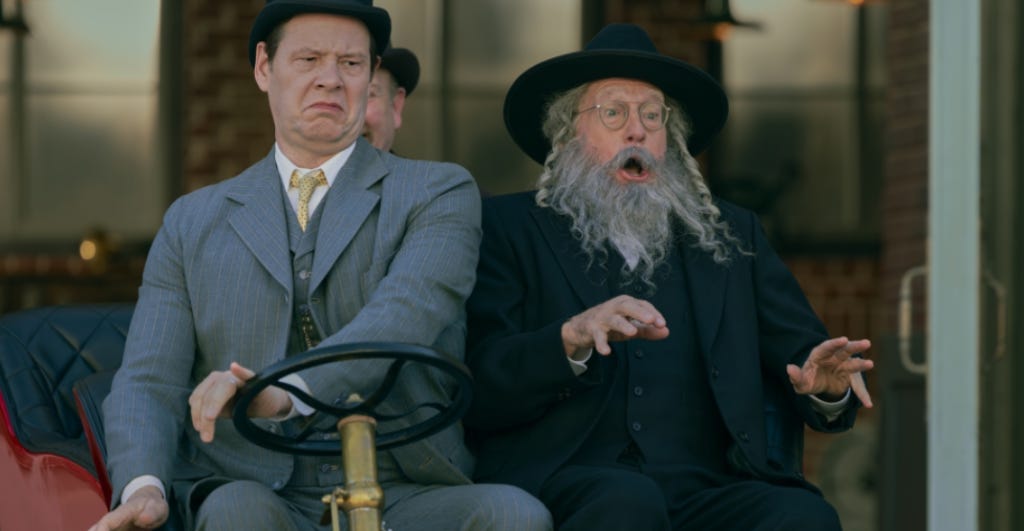
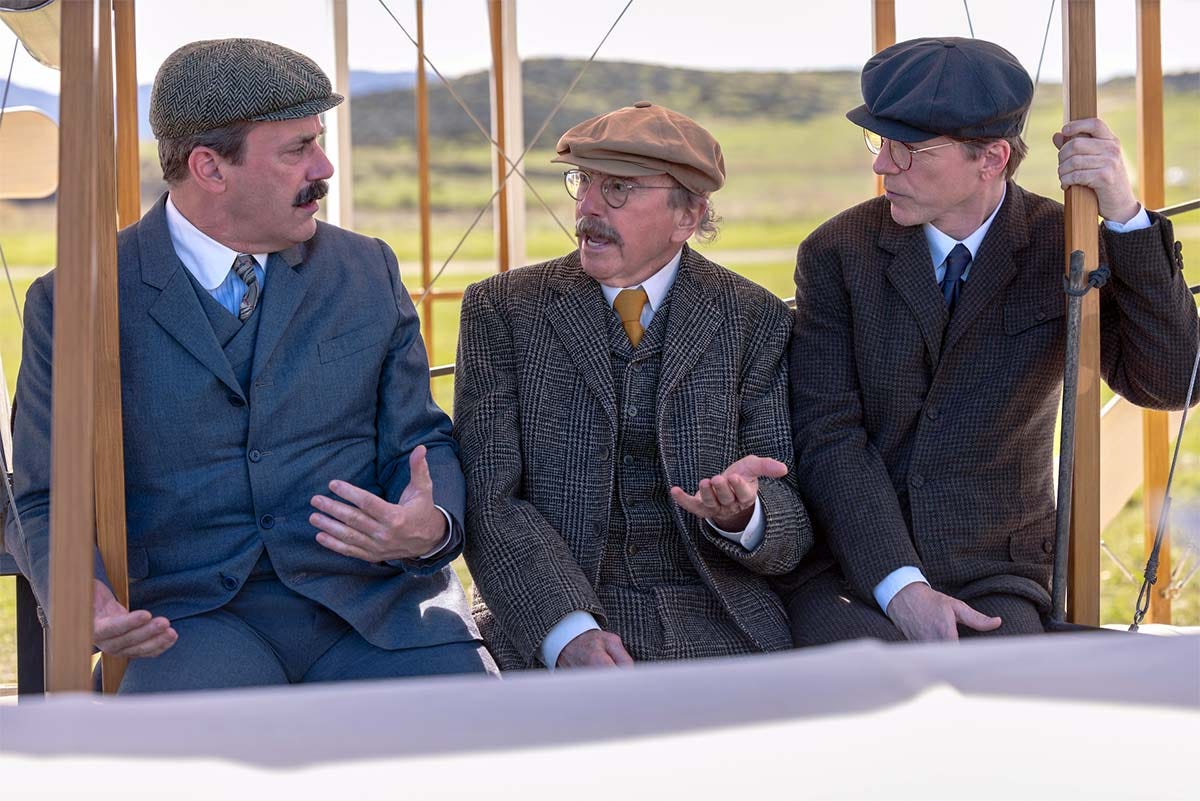
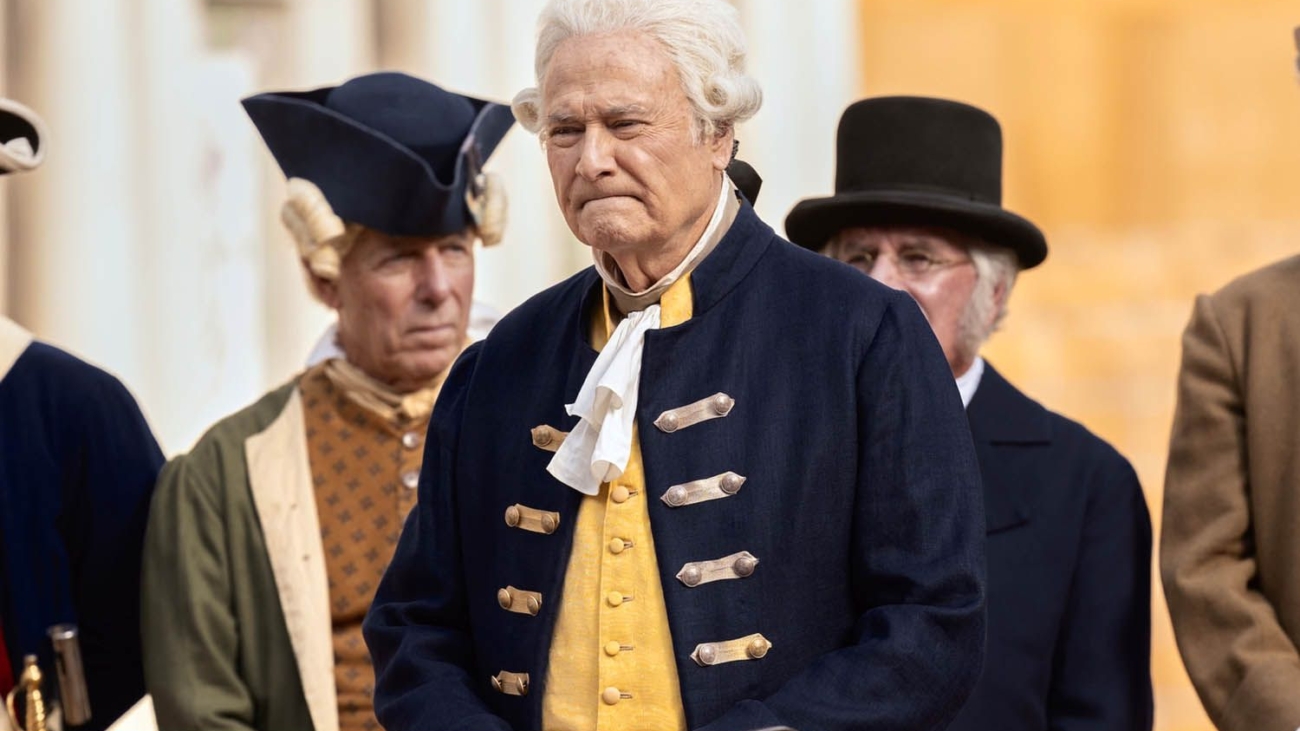
Each episode plants that irresistible misanthrope — that fussy, well-meaning, socially catastrophic man who cannot let anything go and cannot resist saying the thing that absolutely no one wants him to say — into a new chapter of the American story. Sometimes David portrays a real historical figure. Other times he appears as a fictional presence inserted into the margins of an actual event — a third Wright brother nobody invited, say, squeezed into the middle seat between Orville and Wilbur on the first flight of 1903, complaining vocally about the situation. The sketches visit moments ranging from the writing of the Declaration of Independence to Alexander Graham Bell’s first telephone call to Rosa Parks refusing to move to the back of the bus — at least, until she meets Larry David. The series reportedly includes a sequence with Abraham Lincoln and Mary Todd on a fateful night at the Ford Theatre, with Larry David along for what should have been a pleasant evening at the theater. It visits the Boston Tea Party, which Larry was apparently not invited to attend, because he is such terrible company. It follows the Lewis and Clark expedition, with Jerry Seinfeld appearing as William Clark while David portrays Meriwether Lewis, the pair abandoning their put-upon wives to go gallivanting across the continent together. It looks at Susan B. Anthony’s dinner party, which Larry manages to ruin — made even more surreal by the fact that Anthony is played by Susie Essman, so David spends the entire sketch calling her Susie.

The series does not shy away from the darker and more uncomfortable textures of American history either. Racism, antisemitism, and misogyny are consistent presences in the sketches, not glossed over or softened for palatability. David takes pointed aim at historical figures who deserve scrutiny, with particular relish reportedly directed at the antisemitic industrialist Henry Ford and the red-baiting senator Joseph McCarthy. Samuel L. Jackson narrates the proceedings with a sharpness that sets an expectation for each sketch before David arrives to upend it entirely. And while the show is not a political screed, it does not pretend to be apolitical either — there is apparently at least one sketch that offers a very direct and very pointed commentary on contemporary American life, one that critics have been instructed not to detail but have uniformly described as genuinely bold.

Obama closes the series with a reflection on the nature of American progress — that it has never been smooth or steady, but that sustained investment in the American experiment is what keeps it alive. It is a sentiment that the show earns in its own bizarre, cantankerous way. If the United States at 250 is a work in progress, Life, Larry is its most honest mirror: chaotic, funny, occasionally infuriating, and impossible to look away from.

The Cast: A Murderers’ Row of Comedy Talent

Even setting aside the extraordinary novelty of a former president serving as both executive producer and on-screen host, the ensemble assembled for Life, Larry and the Pursuit of Unhappiness is staggering in its depth. HBO has essentially called in every favor Larry David has ever earned across five decades in television comedy, and the result reads like a dream cast assembled by someone with extremely specific and deeply personal taste.

The Curb Your Enthusiasm family is heavily represented. Susie Essman, who spent twelve seasons torturing and being tortured by Larry David on that show, appears as Susan B. Anthony. Jeff Garlin and J.B. Smoove both turn up. The reunion element of the series gives it an immediate warmth and chemistry that a group of strangers could never replicate — these are performers who have spent years learning to push each other’s buttons in precisely the right ways.

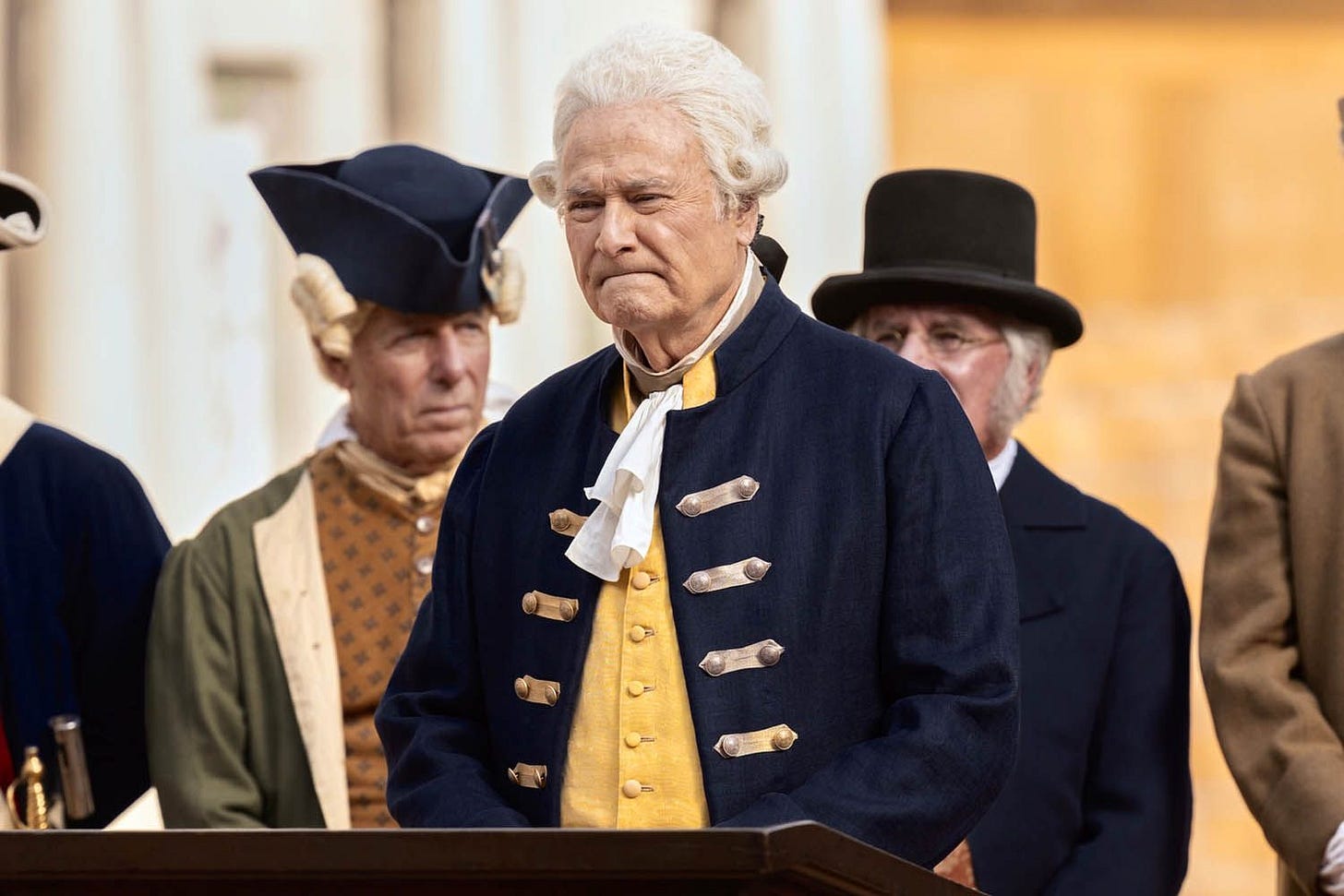
Beyond the Curb veterans, the guest roster expands into genuinely surprising territory. Bill Hader plays Abraham Lincoln, with Kathryn Hahn as Mary Todd Lincoln alongside him — a pairing that sounds extraordinary on paper and presumably delivers something even better on screen. Jon Hamm and Sean Hayes portray the Wright brothers, which is one of those casting choices so specific and so inspired that it immediately makes you wish you had thought of it yourself. Jerry Seinfeld appears as William Clark of the Lewis and Clark expedition. Greg Kinnear, Lin-Manuel Miranda, Chris Parnell, Joe Manganiello, Essence Atkins, Vince Vaughn, Rita Wilson, Isla Fisher, Jane Krakowski, Henry Winkler, Kaley Cuoco, Rob Huebel, and Fred Melamed all appear across the seven episodes. Krakowski’s casting carries a particular meta-textual richness — she recently portrayed Mary Todd Lincoln in the Broadway production Oh, Mary!, which means she has now played in two very different comedic takes on the same tragic figure.

Barack Obama’s role in the series goes considerably beyond a brief cameo or a knowing wink at the camera. He serves as the show’s host, introducing each episode in a manner consciously evoking Rod Serling’s role in The Twilight Zone — a calm, authoritative guide walking the audience into territory that is about to become very strange. Beyond that framing device, Obama also appears in a full comedic sketch alongside Larry David himself. In a now-famous story from the promotional tour, David described the creative negotiation between them: when the former president reportedly offered script notes, David told him, “When you were president, if somebody had a good idea, you would listen to it. Well, I’m the president here.” That dynamic — two extraordinarily accomplished men, each entirely confident in his own authority, navigating who actually gets to be in charge — sounds like it produces exactly the kind of comedy that could not be scripted in advance.

David himself has said that one of his favorite roles in the series is his portrayal of Jonas Salk, the scientist who developed the polio vaccine. That choice — Larry David as the man who saved millions of children from paralysis — tells you everything you need to know about the tone this show is going for.

The Critical Conversation: What the Reviewers Are Saying

Life, Larry and the Pursuit of Unhappiness arrived with enormous expectations and a genuinely unusual premise, and the critical response has been — fittingly — a little bit Larry David about the whole thing. Split, slightly aggravated, occasionally delighted, and unable to fully commit to either enthusiasm or dismissal.

The show launched with a 62% score on Rotten Tomatoes on its premiere day, with critics divided fairly cleanly between those who find Larry David’s persona so reliably funny that any vehicle for it is inherently worthwhile, and those who feel the sketch format exposes weaknesses that Curb‘s longer-form storytelling was able to conceal. The Metacritic score settled around 65, placing it in the solidly-good-but-not-transcendent territory that honest sketch comedy tends to occupy.

The most consistent praise centers on the underlying concept and on David himself. Richard Roeper, writing for RogerEbert.com, called the series “clever, insightful, and politically savvy,” describing the premise as “virtually foolproof” and the result as “pretty, pretty, pretty funny” — deliberately deploying David’s own signature verbal tic to deliver the verdict. For longtime Curb devotees who mourned the 2024 finale, Roeper essentially framed the show as the next best thing: the same Larry, the same sensibility, wearing a wig and a waistcoat and complaining about the same things two hundred years earlier.

TV Insider’s Matt Roush offered a similarly warm take, calling it a “rollicking romp through American history” that reveals the influence of Mel Brooks in its broad, irreverent tone. Roush observed that David takes particular glee in targeting figures who have historically escaped full scrutiny, and noted that even when the show’s aim is imprecise, David’s sheer comedic presence remains the most dependable thing on screen.

IndieWire landed on a more complicated position: the reviewer found the show’s lengthy sketches occasionally tiring, its recycling of familiar David grievances undeniably repetitive, and some of the treatment of nagging wives tedious even by the show’s own internal logic. But the conclusion was nevertheless an enthusiastic endorsement, grounded in a simple observation: Larry David is a timeless character. His perspective does not require the correct century. He is who he is whether he is arguing with a modern parking lot attendant or a colonial-era founding father, and that consistency — that absolute commitment to the persona across every conceivable context — is inherently funny. “Watching the Larry we know and love shuffling through time, arguing with presidents and generals, is funny,” the review concluded, “and during the roughest sketches, he’s still funny enough.”

Variety’s take was somewhat more measured, framing the show as Curb Your Enthusiasm in period drag rather than a genuinely distinct creative work. The review noted that the strongest segments are the ones that use the historical setting to make a point about human nature rather than simply transplanting familiar gags into a new backdrop — that the most effective sketches argue that history is driven not by great men and high-minded idealism, but by the same petty failings and social catastrophes that David has been cataloging his entire career. When the show commits to that thesis, it lands. When it defaults to recycling specific Curb bits — the chat-and-cut, the “Happy New Year” expiration date, the coaster on the wooden table — it starts to feel like a highlight reel rather than new territory.

The Hollywood Reporter’s Daniel Fienberg called it “formulaic and familiar, but not without high points,” identifying the extended Abraham Lincoln episode as the clearest success of the season — a sketch that is given enough room to develop genuine momentum rather than arriving at its punchline and moving on. TVLine’s review was the harshest of the major outlets, describing the writing as “uninspired” and accusing David and Schaffer of outright self-theft in their reuse of specific Curb gags. The consensus view from critics, stripped of all its qualifications, is probably something like: if you love Larry David, you will enjoy this, because Larry David is still Larry David; if you were hoping for something genuinely new, you may find the familiarity more frustrating than comforting.

One thread that runs through almost every review is the importance of weekly viewing over bingeing. Multiple critics recommended consuming the series at its intended pace — one episode per Friday — rather than consuming all seven hours at once. The repetition that some found exhausting across the full season reportedly lands very differently when each installment is given a week to breathe. That note feels worth heeding.

Larry David’s Return and What It Means

It is impossible to discuss Life, Larry and the Pursuit of Unhappiness without acknowledging the emotional weight of Larry David returning to television at all. Curb Your Enthusiasm ended in April 2024 after twelve seasons and twenty-four years, a run so long and so consistent that it had effectively become a permanent fixture of American comedy culture. The finale was watched by enormous audiences and received as a true cultural event. When it was over, many assumed — reasonably — that David was done. That he had said everything he had to say, wrung every last drop of discomfort from every conceivable social situation, and would retire to wherever grumpy comedy geniuses retire to when they have done enough.

Instead, the Obamas called. And rather than say no, David apparently decided that the one place he had not yet taken his particular misery was the past — all of it, from the founding of the republic to the twentieth century, twenty-eight historical moments spread across seven half-hours and waiting to be disrupted by the most reliably disruptive man in the history of American television comedy.

That he made this choice in collaboration with a former president who is his ideological opposite in almost every imaginable way — in terms of temperament, in terms of grace under pressure, in terms of their fundamental relationship with social interaction — is the great creative irony at the heart of the project. Obama is famously measured, famously deliberate, famously in control. David is famously none of those things. Their on-screen dynamic, from what critics have described, is exactly as good as that contrast suggests.

The series also represents something quietly significant in terms of David’s legacy as a sketch comedian. His brief, chaotic time at Saturday Night Live in the early 1980s has always been a footnote in his biography — a period he did not particularly distinguish himself in, famous more for the mythology of his resignation than for any memorable work. Life, Larry is, in a sense, his answer to that chapter: the sketch comedy show he might have made at SNL if he had been Larry David then the way he is Larry David now. The persona was always there. It just needed forty more years of refinement, an HBO budget, a former president, and the occasion of a national birthday.

Where to Watch, When It Airs, and What to Expect

Life, Larry and the Pursuit of Unhappiness is streaming now on HBO and HBO Max, with the first episode available beginning at 9 p.m. ET on June 26. New episodes drop weekly every Friday through August 7, 2026, when the seventh and final episode closes the series. The weekly release cadence is not accidental — as multiple critics have observed, the show is built to be savored one chapter at a time, its rhythms better suited to anticipation and weekly discussion than to a single weekend marathon session.

The series is a seven-episode limited run, meaning there is a defined endpoint and a complete story to experience. Whether HBO revisits the format with a second season remains to be seen — one critic memorably noted that they would probably be ready for more in about 250 years — but for now, the show exists as a standalone piece of work, a birthday card to the United States written in the only language Larry David knows: barely concealed irritation, an acute sensitivity to the absurdity of social norms, and the absolute refusal to pretend that anything is fine when it very clearly is not.

For viewers who loved Curb Your Enthusiasm and have spent two years wondering what David would do next, this is the answer. It is not a reinvention. It is not a departure. It is Larry David doing what Larry David has always done, pointed at a larger and more consequential target than usual, surrounded by some of the funniest people working in American comedy today, and produced by a man who once negotiated nuclear arms treaties and is apparently capable of surviving the experience of receiving script notes from the creator of Seinfeld.

America turns 250 this summer. It did not ask for this birthday present. But honestly — given the current state of things — it might be exactly what the country needs: a look back at two and a half centuries of history, with all the sacred mythology stripped away, filtered through the consciousness of a man constitutionally incapable of letting anything slide.

Pretty, pretty, pretty American.

Life, Larry and the Pursuit of Unhappiness: An Almost History of America airs Fridays at 9 p.m. ET on HBO, with new episodes through August 7, 2026. All episodes are also available to stream on HBO Max, Sunset and On-Demand after the Episode Airs

images (11)

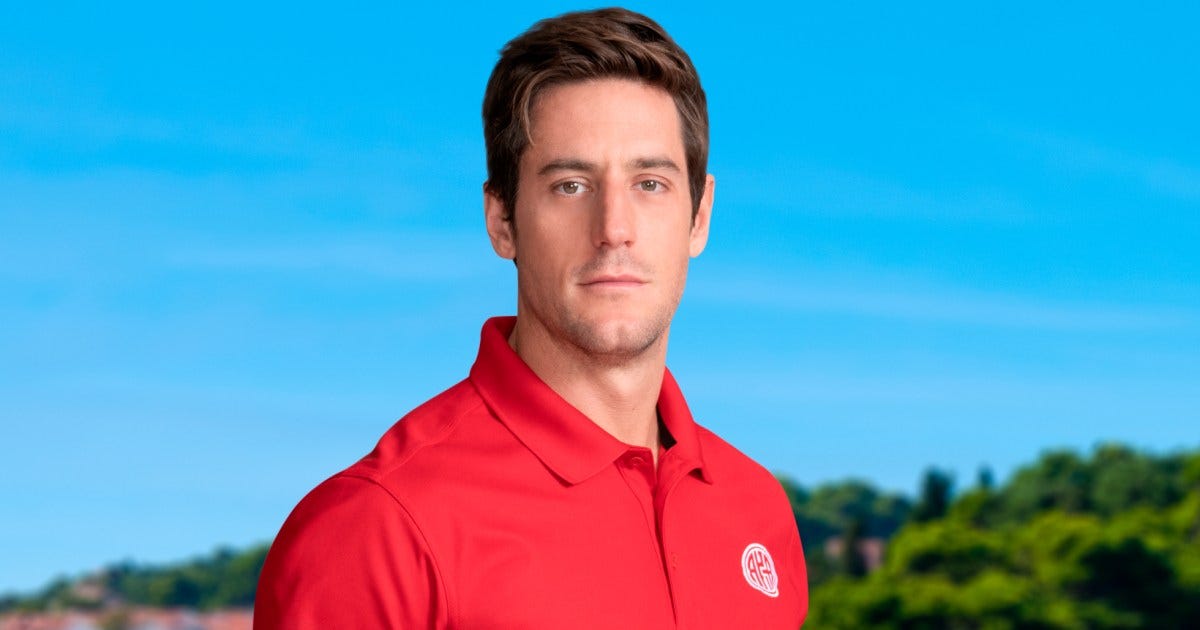
Johnny Damon on Below Deck Mediterranean, Guy Ritchie’s In the Grey, Paige DeSorbo, Hannah Berner, Not Suitable for Work, The McBee Dynasty Season 3

Johnny Damon, Below Deck Mediterranean, and One of the Most Unhinged Charter Guests the Franchise Has Ever Seen

Below Deck Med 11 episode 3 recap: worst guest ever? – reality blurred

Every season of Below Deck Mediterranean seems to produce at least one charter guest who leaves viewers wondering how they function in normal society. Season 11 may have already found its winner.

The latest episode was supposed to be a luxury Croatian getaway featuring former Major League Baseball star Johnny Damon and his wife, Michelle Damon, returning as primary charter guests aboard the M/Y Akira One. Instead, what unfolded was a master class in how one person can completely hijack an otherwise enjoyable charter before the yacht even had a chance to leave the dock. Read The Sunset Beehive on Substack!

The Real Housewives of Rhode Island Reunion Put Faces to Names, Then Turned Into Complete Chaos

When is 'The Real Housewives of Rhode Island' reunion? How to watch for  free - masslive.com

One of my biggest takeaways from Part One of The Real Housewives of Rhode Island reunion had nothing to do with the screaming, the accusations, or even the legal drama. It was something much simpler. I finally started figuring out who everybody actually is.

That may sound ridiculous, but it is true.

This is the first season of Rhode Island, and unlike long-running Housewives franchises where viewers have spent years with the cast, this group is still introducing itself to the audience. For most of the season, I found myself recognizing faces before I remembered names. Even now, if you asked me to recite the entire cast from memory, I would probably struggle. The funny part is that if someone mentioned a name, I would immediately know exactly who they were talking about. That is part of what makes a first-season reunion interesting. Viewers are still getting acquainted with the personalities while simultaneously watching those personalities completely unravel on national television.

And unravel they did. Read The Sunset Beehive on Substack!

Guy Ritchie’s In the Grey Brings Precision, Firepower, and Old-School Action Cool Back to the Big Screen

For more than two decades, filmmaker Guy Ritchie has occupied a unique space in modern cinema. While countless directors have attempted to replicate his blend of razor-sharp dialogue, intricate criminal underworlds, fast-paced storytelling, and stylish visual flair, few have managed to capture the distinct energy that has become synonymous with his name. From crime capers and gangster dramas to espionage thrillers and globe-trotting adventures, Ritchie has consistently delivered films that feel unmistakably his own. In 2026, he returns with what may be one of his most ambitious projects yet: In the Grey, a high-stakes action thriller that combines elite covert operations, billion-dollar criminal conspiracies, international intrigue, and a powerhouse ensemble cast into a relentlessly entertaining cinematic experience. Read More!
Paige DeSorbo, Hannah Berner, and Why Not Suitable for Work May Be Hulu’s Next Workplace Comedy Hit

Paige DeSorbo & Hannah Berner Make 'Not Suitable For Work' Appearance In  Season 1 Finale

One of the unexpected television moments this week came from seeing Paige DeSorbo and Hannah Berner pop up in the season finale of Not Suitable for Work. I have to admit, I was curious about how that appearance would play out because crossing over from reality television and podcasting into scripted comedy is not always as easy as people think.

The funny thing is that I walked away more impressed than I expected.

Paige, in particular, seemed surprisingly comfortable in the environment. Her timing felt natural, her delivery worked, and she looked completely at ease playing a heightened version of herself. Ironically, I thought she came across much better here than she does in some of the commercial work that has become familiar to Bravo viewers over the last few years. There was a confidence and rhythm to her appearance that fit seamlessly into the show’s comedic style. Read The Sunset Beehive on Substack!

The McBee Dynasty Season 3 Finds a Family Fighting for Its Future While Chaos Erupts on Every Front

The McBee Dynasty' Season 3 Cast Photos, Trailer & Premiere Date Set At  Bravo

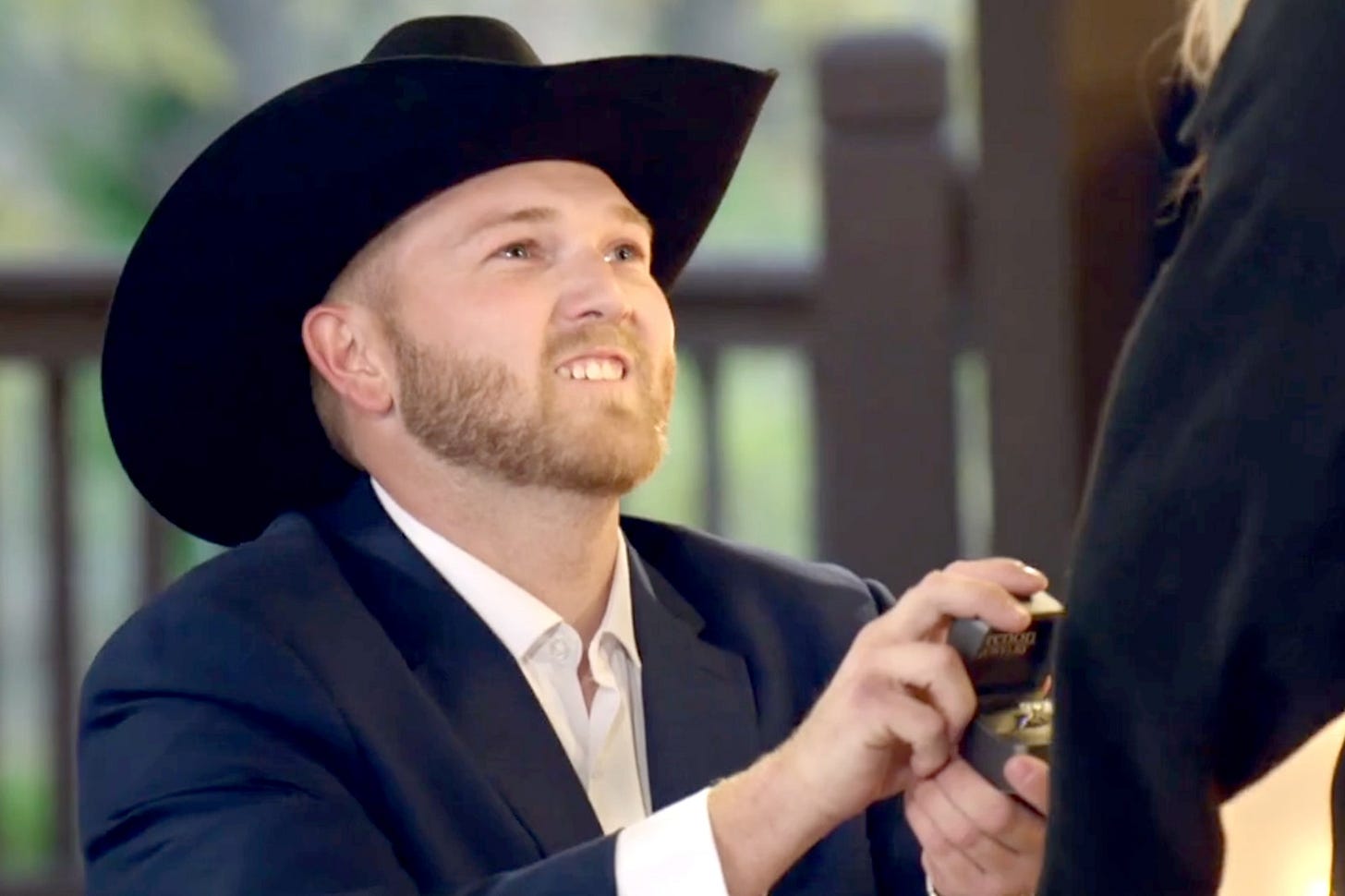
One of the first things that stood out to me while watching the latest episodes of The McBee Dynasty was Steven McBee Jr.’s new relationship. So far, I actually like Allie Eklund. Whether that opinion changes over time remains to be seen, but she comes across as grounded, likable, and surprisingly calm considering the environment she is stepping into. The funny part is watching everyone around Steven react with shock at how quickly the relationship appears to be moving. To me, that reaction feels a little misplaced. This is a man who spent part of his public life participating in The Bachelor universe, a television environment built around the idea that people can become engaged after only a few weeks of knowing one another. Given that background, it should not be particularly surprising that Steven occasionally approaches relationships at a different speed than most people.

That does not mean his family is entirely wrong to be skeptical. Season 3 introduces Allie as Steven’s latest serious relationship at a time when the McBees are facing challenges far more significant than romance. The family business is under pressure. Financial uncertainty hangs over nearly every major decision. Steve McBee Sr.’s legal troubles continue to cast a shadow over the operation. Against that backdrop, Steven is already discussing long-term plans and a future together. The family appears divided between those who are willing to support him and those who wonder whether he has learned anything from previous relationships. Regardless of where viewers land on that debate, the storyline adds another layer to a season already overflowing with tension. Read The Sunset Beehive on Substack!

In The Grey

In the Grey (2026)

Guy Ritchie’s In the Grey Brings Precision, Firepower, and Old-School Action Cool Back to the Big Screen

For more than two decades, filmmaker Guy Ritchie has occupied a unique space in modern cinema. While countless directors have attempted to replicate his blend of razor-sharp dialogue, intricate criminal underworlds, fast-paced storytelling, and stylish visual flair, few have managed to capture the distinct energy that has become synonymous with his name. From crime capers and gangster dramas to espionage thrillers and globe-trotting adventures, Ritchie has consistently delivered films that feel unmistakably his own. In 2026, he returns with what may be one of his most ambitious projects yet: In the Grey, a high-stakes action thriller that combines elite covert operations, billion-dollar criminal conspiracies, international intrigue, and a powerhouse ensemble cast into a relentlessly entertaining cinematic experience.

Positioned as a spiritual successor to many of the director’s most beloved action-driven productions, In the Grey represents both an evolution and a return to form. The film embraces the hallmarks audiences expect from a Guy Ritchie production—rapid-fire banter, morally ambiguous heroes, intricate plotting, and meticulously crafted action sequences—while simultaneously expanding its scope into a larger global arena. The result is a film that feels contemporary without sacrificing the character-driven storytelling and stylish confidence that have defined the director’s career.

At the center of the narrative is an audacious mission that immediately raises the stakes beyond conventional action-thriller territory. A powerful lawyer assembles a clandestine team of elite operatives known only within the shadows of international power circles. These specialists are not government agents, soldiers, or traditional mercenaries. They are fixers—highly trained professionals capable of solving problems that official institutions cannot touch. Their latest assignment involves recovering a stolen fortune worth one billion dollars that has fallen into the hands of a ruthless criminal empire and an increasingly dangerous authoritarian figure whose influence stretches across multiple continents.

From the outset, the film establishes itself as something more sophisticated than a standard action spectacle. Rather than relying solely on explosive set pieces and large-scale destruction, In the Grey builds tension through strategy, deception, intelligence gathering, and calculated risk. Every move carries consequences. Every alliance remains uncertain. Every operation unfolds within a world where legal loopholes, financial systems, political influence, and covert networks often prove more powerful than weapons alone.

That emphasis on intelligence and tactical problem-solving gives the film a distinctive identity within the crowded action genre. The operatives at the center of the story are not superheroes. They are highly skilled professionals forced to navigate a labyrinth of competing interests, hidden agendas, and dangerous adversaries. Their success depends as much on planning and adaptability as it does on physical capability.

Leading the cast is Henry Cavill, whose commanding screen presence continues to make him one of the most compelling action stars working today. Cavill has spent the last decade building a reputation for portraying characters who combine physical authority with intelligence and restraint. In In the Grey, he delivers another performance that balances charisma, tactical precision, and understated humor. His character functions as both strategist and field operator, anchoring the film’s increasingly complex web of operations.

Opposite him is Jake Gyllenhaal, who brings a completely different energy to the film. Where Cavill projects control and discipline, Gyllenhaal introduces unpredictability, wit, and occasional recklessness. The chemistry between the two actors quickly becomes one of the film’s greatest strengths. Their relationship thrives on constant friction, mutual respect, and relentless verbal sparring. Every mission briefing, tactical discussion, and high-pressure situation becomes an opportunity for the pair to challenge one another.

The dynamic recalls some of the greatest action partnerships in cinema history, where friendship and rivalry exist simultaneously. Their interactions provide humor without undermining the stakes and create an emotional core that keeps audiences invested throughout the increasingly dangerous mission.

Adding further depth to the ensemble is Eiza González, whose role introduces another layer of complexity to the operation. González continues to establish herself as one of the most versatile performers in contemporary action cinema, bringing intelligence, confidence, and emotional nuance to every scene. Rather than functioning as a supporting accessory to the central mission, her character becomes instrumental to its success, operating within spheres of influence inaccessible to the rest of the team.

The supporting cast elevates the project even further. Rosamund Pike delivers her trademark sophistication and unpredictability, while Kristofer Hivju brings physicality and presence to the ensemble. Veteran performer Fisher Stevens contributes additional intrigue, helping create a world populated by individuals whose motives remain uncertain until the very end.

One of the film’s most notable achievements is its commitment to grounded action. Modern blockbuster filmmaking often relies heavily on increasingly elaborate visual effects and large-scale destruction. While there is certainly no shortage of excitement in In the Grey, the action sequences are designed around realism, tactical movement, and practical execution. Every confrontation feels purposeful. Every operation unfolds with precision. Rather than overwhelming viewers with constant chaos, the film focuses on creating suspense through planning, execution, and adaptation.

This approach gives the action greater impact because audiences understand what is at stake. Characters cannot simply punch their way through every obstacle. They must outthink opponents, anticipate betrayals, and solve problems in real time. The result is a level of engagement that many contemporary action films struggle to achieve.

The film’s visual presentation reflects Guy Ritchie’s continued evolution as a filmmaker. The cinematography embraces sleek international settings, sophisticated urban environments, remote operational zones, and luxurious power centers where enormous fortunes are controlled behind closed doors. Each location serves a narrative purpose, reinforcing the global scale of the mission while maintaining the intimate focus necessary for character-driven storytelling.

Ritchie’s pacing remains one of his greatest strengths. The film moves quickly, but never feels rushed. Information is revealed strategically, allowing viewers to piece together the larger conspiracy while remaining emotionally connected to the characters. Dialogue-heavy sequences crackle with energy, providing moments of humor and tension before seamlessly transitioning into action-oriented set pieces.

What ultimately separates In the Grey from many modern action releases is its understanding of consequence. The billion-dollar fortune at the center of the story is not merely a plot device. It represents influence, power, corruption, and control. Every faction pursuing it has legitimate reasons for doing so, creating a morally complex landscape where the distinction between hero and villain becomes increasingly blurred.

That ambiguity has long been one of Guy Ritchie’s greatest storytelling strengths. His characters often operate within gray areas where ethics become negotiable and survival requires compromise. The title itself reflects this philosophy. The world of In the Grey is populated by individuals who rarely fit neatly into categories of good or evil. Instead, they navigate a complicated reality shaped by loyalty, self-interest, and necessity.

Thematically, the film explores power structures that extend beyond traditional criminal enterprises. Financial networks, political influence, international business interests, and covert operations intersect throughout the story, creating a narrative that feels remarkably relevant to contemporary audiences. The villains are dangerous not simply because they possess weapons or armies, but because they understand how modern systems can be manipulated for personal gain.

This deeper layer of commentary gives the film additional weight without sacrificing entertainment value. Audiences seeking a fast-paced action thriller will find plenty to enjoy, but those looking for a more intelligent and layered narrative will discover a story that rewards attention and engagement.

The film also arrives during a period when audiences appear increasingly receptive to action movies built around competence and professionalism rather than invincibility. Viewers have embraced stories featuring highly skilled individuals solving difficult problems under pressure, and In the Grey fits squarely within that trend. The characters succeed not because they are superhuman, but because they are exceptionally capable.

As a result, every victory feels earned. Every setback feels meaningful. Every twist carries genuine consequences.

For Guy Ritchie, In the Grey represents another impressive addition to an already distinguished filmography. It combines the wit and style that first made him a household name with the larger scale and technical sophistication he has developed throughout his career. The film demonstrates a filmmaker who remains confident in his creative voice while continuing to evolve.

For audiences, it delivers exactly the kind of intelligent, character-driven action adventure that has become increasingly rare in an era dominated by franchise filmmaking and formulaic spectacle. It understands that excitement comes not only from explosions and gunfire but from strategy, personality, tension, and unpredictability.

In the Grey ultimately succeeds because it knows precisely what it wants to be. It is a globe-spanning heist thriller, a covert operations adventure, a character-driven ensemble piece, and a showcase for some of today’s most charismatic performers. Most importantly, it is a reminder that when action cinema is built around strong characters, sharp writing, and genuine craftsmanship, it can still deliver some of the most satisfying entertainment experiences available.

For fans of Guy Ritchie, elite-team thrillers, international conspiracies, and sophisticated action storytelling, In the Grey stands as one of the most compelling cinematic releases of 2026 and further proof that stylish, intelligent action movies remain very much alive.

2e3fc8ae-bf17-4aa4-8c63-0b92fa2c9371_1000x667

The Real Housewives of Rhode Island Season Ends, The McBees are Back, Next Gen NY Begins Soon, Office Romance Takes Flight are This Week in The Beehive!
Prison Sentences, Arrests, Financial Survival, Family Loyalty, Restraining Orders, Allegations Involving Other Women, New Romances, New Babies and More This Week in The Beehive!
The Real Housewives of Rhode Island Reeled Me Into Housewives—and Now the Reunion Looks Completely Unhinged

Real Housewives of Rhode Island' Season 1 Reunion Looks & Trailer Revealed  - Watch Now! - Just Jared - Celebrity News and Gossip | Entertainment

The Real Housewives of Rhode Island Has My Attention—and That Is Exactly Why the Reunion Could Be Bravo Gold. Before The Real Housewives of Rhode Island premiered, I had not watched a Housewives franchise in any meaningful way since the early days of Orange County. I am talking about the original season were the only ones I ever saw. Vicki Gunvalson. Her daughter. That guy named Slade (Smiley) for gods sakes with the hottie, Jo De La Rosa were part of that cast.

Back when reality television felt less manufactured and more like somebody accidentally left cameras rolling in affluent neighborhoods. The funny thing is that, at the time, I remember thinking my houses in Los Angeles were nicer than some of the townhomes those people were living in. Then life happened. They got richer. I got poorer.

So when Bravo announced Rhode Island, I was not exactly rushing to clear my schedule.

Then the trailers started airing. Read The Full Article on Substack!


The McBee Dynasty Returns With Real Stakes: Prison Sentences, Financial Survival, Family Loyalty, and the Future of an American Empire

McBee Dynasty' star says father's prison sentence was family's blessing |  Fox News

There is a major difference between reality television that manufactures drama and reality television that simply documents it.

The McBee Dynasty has always operated closer to the second category.

While many reality franchises revolve around social conflicts, petty feuds, and arguments that are forgotten a week later, the McBee family is currently navigating challenges that carry genuine consequences. Businesses can fail. Assets can disappear. Relationships can fracture. Families can lose everything they spent decades building.

That reality is what makes the Season 3 premiere of The McBee Dynasty feel different from almost everything else currently airing in the reality television landscape. Read The Full Article on Substack!


Office Romance Takes Flight: Jennifer Lopez, Brett Goldstein, and the Return of the Big-Star Romantic Comedy

Office Romance

For years, industry analysts, studio executives, streaming platforms, and movie fans have debated whether the traditional romantic comedy could ever truly reclaim the cultural relevance it once enjoyed. The genre that dominated theaters throughout the 1980s, 1990s, and early 2000s gradually lost ground as superhero franchises, prestige television, action spectacles, and streaming originals reshaped audience viewing habits. While romantic comedies never disappeared entirely, they rarely generated the kind of mainstream excitement that once turned them into defining entertainment events. Read The Full Story!


Next Gen NYC May Be Bravo’s Smartest New Idea in Years

Next Gen NYC (TV Series 2025– ) - IMDb

I am actually looking forward to this season. Bravo’s newest reality series, Next Gen NYC, follows a group of young influencers, entrepreneurs, creators, and social personalities as they navigate life, careers, friendships, and relationships in Manhattan. What separates the series from countless other New York-based reality shows is that several cast members arrive with recognizable last names and established connections to the Bravo universe.

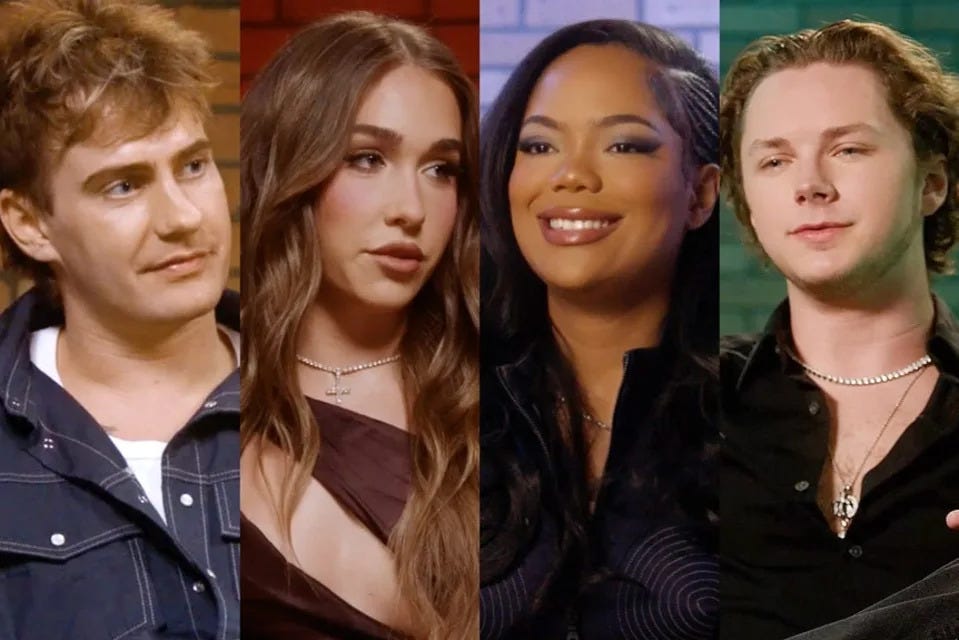
The cast includes Gia Giudice, daughter of Teresa Giudice from The Real Housewives of New Jersey; Ariana Biermann, daughter of Kim Zolciak-Biermann from The Real Housewives of Atlanta; Brooks Marks, son of Meredith Marks from The Real Housewives of Salt Lake City; and Riley Burruss, daughter of Kandi Burruss from The Real Housewives of Atlanta. Joining them are Ava Dash, daughter of Rachel Roy and Damon Dash, along with influencer and fashion personality Emira D’Spain.

Season 2 is not just bringing back the familiar faces from the inaugural season. Bravo is also introducing several new cast members who appear poised to make an immediate impact on the group’s dynamic. The additions blend celebrity connections, ambitious young professionals, and lifelong New Yorkers, creating even more opportunities for new friendships, alliances, and inevitable conflicts. Read The Full Article on Substack!

COVER_TITLE_TALL

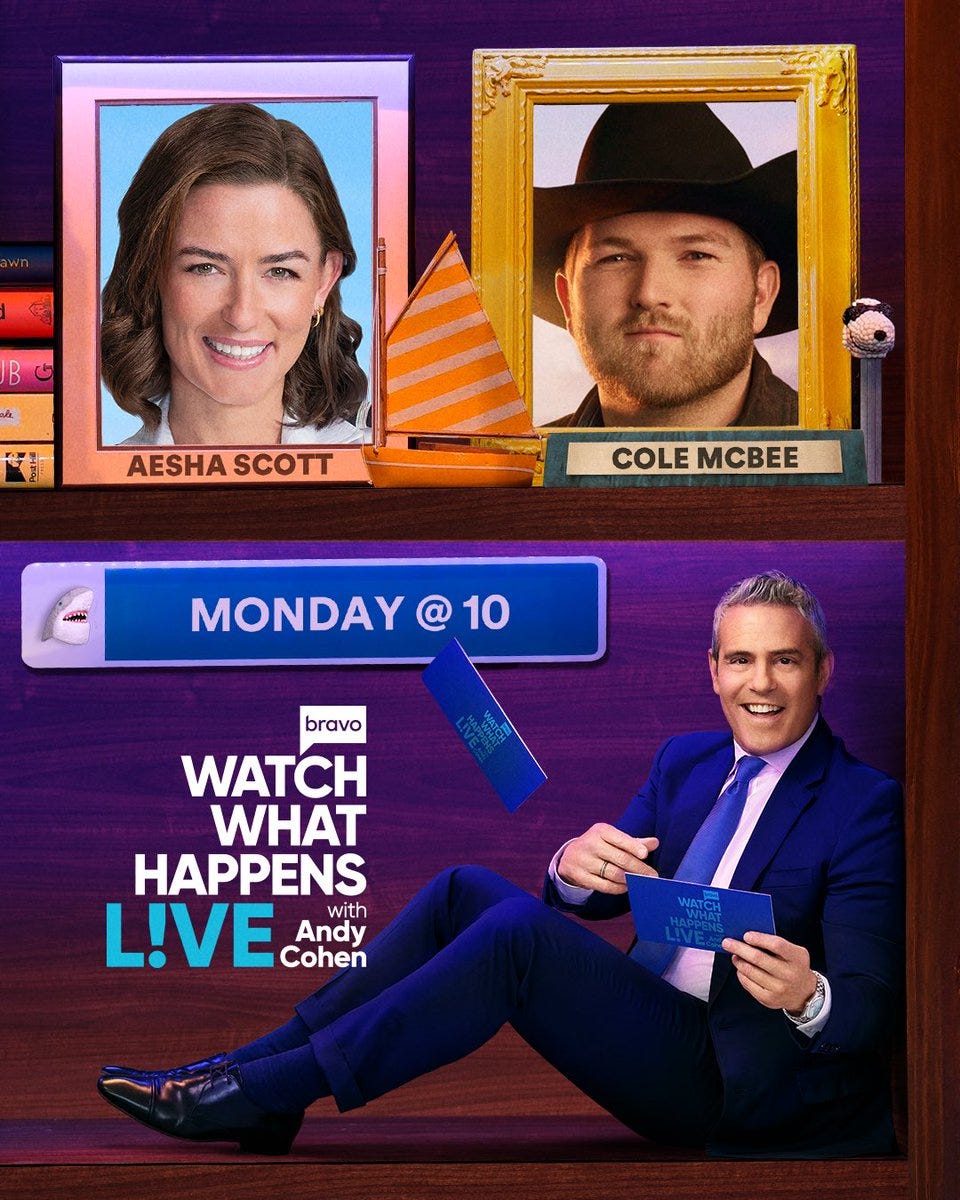
Summer House, Below Deck Mediterranean, The Valley, Watch What Happens Live, In the City, Southern Hospitality, More

Catfish: The TV Show (TV Series 2012– ) - IMDb
Send it (to the group chat). #SummerHouse
Charley Manley Dating Justin Assad From Southern Hospitality
Below Deck Med's Captain Sandy Hits the Dock for the First Time - Reality  Tea
The Valley' Season 3 Trailer: Bravo Announces April 1 Premiere
Kenny Martin Addresses His Controversial “Spark” Comment with GF Whitney  Fransway
Jesse Solomon & Rachel Lindsay React To Jennifer Lawrence Solving The  Reunion Leak | WWHL
Office Romance

Office Romance (2026)

Office Romance Takes Flight: Jennifer Lopez, Brett Goldstein, and the Return of the Big-Star Romantic Comedy

Your Friends & Neighbors

You’re in The Sunset Beehive With The Summer House Reunion Part Two, The Southern Hospitality Reunion Part One, Your Friends & Neighbors Season 2 Finale, The Valley Deep Dive, More

image

Below Deck Down Under Finale, Summer House Reunion, Southern Hospitality Reunion, The Challenge Australia, The Challenge UK & The Challenge World Championship, More in the Sunset Beehive!

You’re in the Sunset Beehive: Buzzing About Today’s Biggest TV Shows, Movies, Reality TV, the Bravosphere, Broadway, Morning Joe, News Programs, and More

One of the unexpected joys of having an on-demand library is discovering entire corners of television that somehow escaped your radar the first time around. That happened to me recently with The Challenge universe.

Believe it or not, I had never watched The Challenge: World Championship. I also never watched The Challenge Australia, The Challenge UK, or any of the international versions that eventually fed into the global competition. Then they suddenly appeared in the Sunset app’s on-demand library, and what started as casual viewing quickly became a full-fledged binge.

I started with Australia and then moved into World Championship, which I just finished. First things first: if I hear the name “Kiki” one more time, I may lose my mind.

For six years now, it feels like every major achievement somehow circles back to Kiki. Winning The Challenge. Winning The Amazing Race. Surviving a football game. Making breakfast. We get it. The man loves his wife. That’s wonderful. It’s admirable. It’s also become one of the longest-running storylines in reality television history.

Setting that aside, World Championship turned out to be an outstanding season.

By the end, I found myself rooting for the Australian contingent and for Kaycee Clark. I’ve always appreciated competitors who let their performances do the talking, and Kaycee remains one of the most consistently dominant players the franchise has ever produced. What surprised me most, however, was Kaz Crossley.

Kaz quietly navigated one of the toughest formats The Challenge has ever created. She wasn’t the loudest person in the room. She wasn’t constantly inserting herself into every argument. She simply kept advancing. In a franchise that often rewards chaos and volume, there was something refreshing about watching someone win through composure, athleticism, and consistency.

As for Jordan Wiseley, I’ve always been a fan. After Johnny Bananas, Jordan is probably the competitor I’ve enjoyed watching most over the years. Speaking of Bananas, I still hate seeing him eliminated. Whether he’s winning, losing, stirring the pot, or showing up on something completely unrelated like House of Villains, he remains one of reality television’s most valuable characters.

One aspect of the World Championship final still has me scratching my head, though. The train-car eating portion felt strangely disconnected from the rest of the race. I understand the symbolic connection to the seven deadly sins and the notion of gluttony, but honestly, after watching these competitors suffer through multiple food challenges throughout the season, I probably would have been thrilled to sit down and eat a real meal. It felt less like punishment and more like a reward.

Still, the overall season delivered exactly what a global championship should deliver. Elite competitors. Genuine stakes. International pride. And a winner who earned every step of the journey.

Meanwhile, over in the Bravo universe, another season has reached its conclusion as Below Deck Down Under wrapped up what turned out to be one of the stronger recent entries in the franchise.

There is something comforting about a Below Deck finale because fans generally know what they’re going to receive. There will be emotional goodbyes. There will be a final charter packed with last-minute problems. There will be a crew dinner that somehow manages to combine celebration, awkwardness, unresolved tension, and occasionally complete disaster. And, of course, there will be one final tip meeting.

Captain Jason Chambers continues to establish himself as one of the strongest leaders in the entire Below Deck universe. He brings authority without becoming authoritarian. He commands respect without demanding it. More importantly, he understands something many reality television stars forget: viewers respond to authenticity.

What makes the best Below Deck seasons work isn’t the luxury yachts or even the charter guests. It’s watching deeply flawed people learn how to function together under extraordinary pressure. When a fractured interior team finally starts working as a unit or when deck crew members who spent half a season fighting manage to pull together for one final charter, it creates a payoff that feels earned.

The best finales don’t necessarily end with everyone becoming friends. They end with everyone understanding each other a little better.

Tonight, however, the spotlight shifts back to Summer House as Part Two of what has become one of the most explosive reunions in the show’s history arrives.

After watching Part One, I still maintain there is no excuse for much of the behavior that got us here.

The Amanda Batula-West Wilson controversy has completely fractured the cast and transformed what might have been a routine reunion into a full-scale house reckoning. At the center is Ciara Miller, who feels blindsided not only by her former relationship with West but by Amanda’s role in everything that followed.

The reality is that friendships are often judged not during good times but during moments of betrayal. Whether viewers believe Amanda crossed a line or not, the emotional fallout has become impossible to ignore.

What continues to fascinate me is how Bravo has become one of the strangest career accelerators in modern entertainment.

Get your heart broken on a Bravo show, and somehow you end up in national advertising campaigns.

Nobody represents that phenomenon better than Ariana Madix.

Her post-Scandoval trajectory may be one of the most remarkable reality television success stories ever. Hosting Love Island USA, landing acting opportunities, appearing in major campaigns, and building an entirely new career path, Ariana has managed to transform personal heartbreak into professional momentum.

And if anyone doubts her acting ability, watch her appearance on Will Trent.

She didn’t merely show up. She stole the episode.

I genuinely had to double-check that it was her because she was that effective. She also impressed on St. Denis Medical, one of television’s most underrated comedy series. The writing is sharp. The cast chemistry works. And Ariana fit right in.

Now it feels like Ciara may be entering a similar phase. Brand partnerships are arriving. Campaigns are emerging. Opportunities continue to expand.

It has become one of Bravo’s strangest recurring patterns. The people who get hurt often end up winning in the long run.

As for the reunion itself, Part Two should continue exposing the fractures that have split the house into competing factions. The fallout from West’s actions, Amanda’s decisions, and the broader friendship dynamics has become the defining storyline of the season.

Elsewhere in the Bravosphere, Southern Hospitality is preparing for its own reunion, and if Summer House feels explosive, Southern Hospitality often feels like watching a fireworks factory catch fire.

What makes Southern Hospitality work is that the cast hasn’t completely figured out how to be reality stars yet. That sounds like criticism, but it’s actually the show’s greatest strength.

The cast still feels messy. Imperfect. Emotional. Unfiltered.

Joe Bradley continues to feel like a guy standing at a crossroads between adulthood and perpetual chaos. Emmy Sharrett remains one of the most polarizing figures on the show. Every emotional moment seems to generate debate about whether it’s genuine, performative, or somewhere in between.

TJ Dinch remains one of the show’s most naturally likable personalities, while Michols Peña continues to balance humor with some of the franchise’s most vulnerable and personal moments.

Then there’s Grace Lilly.

I continue rooting for Grace Lilly because underneath the “Wavy Baby” persona is someone who is often genuinely funny, surprisingly perceptive, and capable of delivering some of the sharpest observations on the show. The challenge has always been separating the performance from the person.

When she’s comfortable in her own skin, she’s entertaining television.

When she’s trying to become a character, the cracks start showing.

Mia Alario continues to be one of the most interesting cast members because she refuses to simply follow group consensus. Bradley Carter remains one of the few people who consistently seems interested in avoiding unnecessary drama. Molly Moore continues to divide viewers in ways that almost guarantee reunion fireworks.

Collectively, Southern Hospitality succeeds because it reminds many longtime Bravo viewers of an earlier era of reality television. Before everyone became hyper-aware of their social media followings. Before every cast member arrived with a personal brand strategy.

These people still seem capable of making terrible decisions without first consulting a publicist.

That matters.

Looking ahead, we’ll spend more time this week discussing The Valley, which continues operating under the shadow of crossover Bravo drama, and eventually dive deeper into Bravo’s newest addition, The Real Housewives of Rhode Island.

Remarkably, Rhode Island represents the first Housewives franchise I’ve truly committed to following since the earliest years of Orange County. Whether that says more about Rhode Island or my viewing habits remains up for debate.

Outside of reality television, several of my regular scripted shows have wrapped their seasons. FBI, NCIS, Tracker, and much of the network television landscape are heading into summer mode.

One show that deserves significant attention, however, is Your Friends & Neighbors.

The series has quietly become one of the year’s strongest dramas, combining sharp writing, layered characters, and a willingness to explore uncomfortable truths about wealth, status, friendship, and identity. We’ll take a deeper look at that series later this week because it deserves more than a passing mention.

For now, though, that’s what’s buzzing inside the Sunset Beehive.

From international Challenge champions to yacht crews saying goodbye, from Summer House betrayals to Southern Hospitality chaos, from breakout Bravo careers to the next wave of television obsessions, the television landscape remains as entertaining, ridiculous, frustrating, and addictive as ever.

And honestly, we wouldn’t want it any other way.

Euphoria

Euphoria (TV Series 2019–2026)

Euphoria Season 3 Ignites a New Era of Prestige Television as HBO’s Defining Generation Drama Evolves Beyond High School and Into the Harsh Realities of Adult Life

Few television series have managed to define an entire cultural moment the way Euphoria has. Since its debut in 2019, the HBO phenomenon has transcended the boundaries of traditional teen drama, evolving into one of the most discussed, analyzed, debated, and visually influential television productions of the modern streaming era. What began as a raw and uncompromising portrait of addiction, identity, sexuality, trauma, friendship, and self-destruction has become something much larger: a generational saga examining what happens when young people raised amid digital chaos are finally forced to confront adulthood.

Now, after years of anticipation and speculation, Euphoria Season 3 has arrived, marking the beginning of the series’ boldest chapter yet. Rather than returning audiences to the familiar hallways and emotional battlefields of adolescence, the new season thrusts its characters into a vastly different landscape. The protective illusions of youth have vanished. Dreams are colliding with reality. Relationships are being tested by ambition. Financial pressures, career uncertainty, fame, addiction, power, and personal accountability now dominate the narrative. The result is a season that feels larger, darker, more mature, and arguably more ambitious than anything the series has attempted before.

For years, Euphoria earned acclaim for its fearless willingness to explore the emotional and psychological realities facing modern teenagers. The series challenged conventions through its visual experimentation, emotionally charged performances, cinematic direction, and willingness to confront uncomfortable truths about contemporary youth culture. It refused to sanitize addiction, mental illness, loneliness, social media influence, sexual identity, and emotional instability. Instead, it presented these realities with a level of intensity rarely seen on television.

Season 3 takes that philosophy and pushes it forward into adulthood.

The passage of time has fundamentally altered the world these characters inhabit. High school no longer serves as the central organizing force in their lives. The social hierarchies that once dictated every interaction have fractured. New environments, new responsibilities, and new temptations now shape their futures. The emotional consequences of earlier decisions linger beneath the surface, creating a season that feels less concerned with youthful experimentation and more focused on reckoning.

At the center of the story remains Rue Bennett, portrayed by Emmy-winning superstar Zendaya. From the very beginning, Rue has served as both narrator and emotional anchor for the series. Her struggles with addiction, depression, self-worth, and survival have defined much of the show’s emotional architecture. Yet Season 3 finds Rue confronting challenges unlike anything she has faced before.

The new season depicts a version of Rue attempting to navigate an increasingly dangerous world where financial obligations, criminal entanglements, and unresolved trauma continue to threaten her fragile progress. As her debts grow and dangerous alliances emerge, Rue finds herself walking an increasingly narrow line between redemption and destruction. Her journey becomes a powerful examination of recovery, personal accountability, and the terrifying realization that adulthood often provides fewer safety nets than adolescence ever did.

Zendaya’s performance continues to serve as one of the most remarkable achievements in contemporary television. What separates her portrayal from many television antiheroes is the extraordinary vulnerability she brings to every moment. Rue remains deeply flawed, often frustrating, and frequently self-destructive, yet audiences remain emotionally invested because her humanity never disappears. Every victory feels earned. Every setback feels devastating.

Season 3 also significantly expands the role of Jules Vaughn, portrayed by Hunter Schafer. No longer confined by the emotional geography of high school, Jules embarks on a journey centered around artistic ambition, self-discovery, and independence. Her enrollment in art school introduces new social dynamics, new opportunities, and new forms of vulnerability. The series uses her storyline to explore creative identity, economic realities, and the sacrifices often required to pursue artistic dreams in an increasingly competitive world.

The evolution of Jules reflects one of the season’s central themes: the tension between aspiration and survival. Like many young adults attempting to build meaningful futures, she discovers that talent alone is rarely enough. Financial pressures, emotional compromises, and difficult decisions become unavoidable components of her journey. The result is one of the most nuanced and emotionally resonant storylines the series has produced.

Meanwhile, the explosive dynamic between Cassie Howard and Maddy Perez reaches entirely new levels. Few relationships in modern television have generated as much audience discussion as the complicated friendship and rivalry between these two characters. Season 3 elevates their conflict into a broader exploration of fame, image, influence, and identity in the digital age.

Sydney Sweeney delivers another compelling performance as Cassie, whose pursuit of attention, validation, and public visibility drives much of the season’s drama. As opportunities emerge that could transform her into an internet celebrity, Cassie becomes increasingly consumed by the seductive promise of online fame. The storyline examines the psychological consequences of living within a culture where visibility often becomes mistaken for self-worth.

Opposite her, Alexa Demie continues to portray Maddy with extraordinary confidence and emotional complexity. Maddy’s journey this season is less about survival and more about control. She understands the mechanics of influence, image management, and public perception better than almost anyone around her. Yet beneath her confidence lies a deeper struggle involving identity, ambition, and the challenge of defining success on her own terms.

Their intertwined narratives become one of the season’s most fascinating examinations of modern celebrity culture. In a world where anyone can become famous overnight, Euphoria asks an important question: what happens after the attention arrives?

The series also continues exploring the psychological complexity of Nate Jacobs, portrayed by Jacob Elordi. Nate remains one of television’s most polarizing characters, a figure whose aggression, insecurity, manipulation, and emotional damage continue to ripple through the lives of everyone around him. As Season 3 unfolds, Nate finds himself confronting challenges that cannot simply be controlled through intimidation or performance. The world beyond high school demands a different form of power, forcing him to adapt or risk becoming irrelevant.

At the same time, Lexi Howard’s story continues evolving in compelling ways. Portrayed by Maude Apatow, Lexi has emerged as one of the series’ most emotionally grounded characters. Her perspective often provides a valuable counterbalance to the chaos surrounding her. Season 3 places her at the center of creative and personal conflicts that challenge her understanding of family, ambition, loyalty, and artistic expression.

One of the defining characteristics of Euphoria has always been its willingness to reinvent itself visually. Season 3 continues that tradition on an even larger scale. The series expands beyond suburban settings and adolescent environments, embracing broader locations, more ambitious cinematography, and increasingly sophisticated visual storytelling techniques. Every frame remains meticulously crafted, reinforcing the show’s reputation as one of television’s most visually distinctive productions.

Yet beneath the visual grandeur lies the true strength of the series: emotional honesty.

What separates Euphoria from many prestige dramas is its refusal to offer easy answers. Characters rarely experience clean redemption arcs. Relationships do not resolve neatly. Trauma cannot be cured through a single breakthrough conversation. Success often creates new forms of suffering. The series consistently acknowledges that growth is messy, nonlinear, and frequently painful.

That authenticity helps explain why the show has remained such a powerful cultural force. Audiences do not simply watch Euphoria for shock value or aesthetic innovation. They watch because the series understands emotional contradiction. It understands that people can be both victims and perpetrators, strong and fragile, hopeful and self-destructive simultaneously. That complexity has always been the foundation of its storytelling.

The supporting cast continues to enrich the narrative as well. Characters who once existed primarily within high-school archetypes now face increasingly adult dilemmas involving careers, relationships, family expectations, economic uncertainty, and personal responsibility. The shift creates a richer and more expansive world while preserving the emotional intensity that made the series a phenomenon.

Thematically, Season 3 may be the show’s most ambitious chapter. It explores addiction, fame, capitalism, artistic ambition, social mobility, identity, loneliness, technology, power, and generational anxiety through interconnected narratives that feel remarkably relevant to contemporary audiences. The characters are no longer asking who they want to become. They are confronting the reality of who they are becoming.

That distinction transforms the entire emotional texture of the series.

What emerges is not merely another season of a successful drama but the evolution of a cultural landmark. Euphoria began as a groundbreaking portrait of modern adolescence. Season 3 expands that vision into a broader examination of adulthood itself, exploring what happens when youthful dreams collide with economic realities, emotional baggage, and the responsibilities of independent life.

In an entertainment landscape increasingly dominated by franchises, nostalgia, and formula-driven storytelling, Euphoria remains refreshingly unpredictable. It continues taking creative risks. It continues challenging viewers. Most importantly, it continues evolving.

As television audiences search for stories that feel emotionally authentic, visually ambitious, and culturally relevant, Euphoria remains in a category of its own. Season 3 proves that the series is not merely surviving beyond its original premise—it is thriving, expanding, and discovering entirely new dimensions of storytelling.

Years after its debut, Euphoria remains one of the defining dramas of the streaming era, and Season 3 stands as powerful evidence that its most compelling chapters may still be ahead.

Devil Wears Prada 2

The Devil Wears Prada 2 (2026) 

The Devil Wears Prada 2 Arrives Twenty Years Later as a Razor-Sharp Fashion Industry Epic About Media Power, Luxury Culture, and the Collapse of Old Publishing Empires

Two decades after the original The Devil Wears Prada transformed fashion dialogue, office culture, prestige media, and modern pop culture itself, the long-awaited sequel has finally arrived — and rather than simply recycling nostalgia, The Devil Wears Prada 2 explodes onto the screen as a far more ambitious, contemporary, and culturally relevant film than almost anyone expected. Officially debuting in theaters on May 1, 2026, exactly twenty years after the original 2006 phenomenon, the sequel reunites the legendary creative team and iconic cast that helped define an entire generation of prestige studio filmmaking while simultaneously updating the franchise for a completely different world.

The result is not merely another sequel. It is a sophisticated examination of modern media warfare, luxury branding, digital influence, corporate consolidation, generational ambition, and the rapidly collapsing boundaries between journalism, celebrity culture, technology, and fashion power. At a time when the entertainment industry has become saturated with recycled intellectual property and superficial nostalgia plays, The Devil Wears Prada 2 succeeds because it understands precisely why the original film endured for twenty years in the first place: beneath the couture, glamour, and biting dialogue was always a brutally honest story about ambition, identity, survival, and the emotional cost of success.

Now, in 2026, those themes feel even more urgent.

The return of the original core cast instantly gives the sequel enormous dramatic credibility. Meryl Streep returns as the incomparable Miranda Priestly, once again commanding every scene with icy precision, calculated silence, devastating wit, and terrifying intelligence. Anne Hathaway reprises her role as Andy Sachs, no longer the overwhelmed outsider trying to survive the elite fashion ecosystem but now a fully formed media professional navigating a far more dangerous publishing battlefield. Emily Blunt returns as Emily Charlton, whose evolution from abused assistant to ruthless luxury executive becomes one of the film’s most compelling narrative arcs. Stanley Tucci also returns, grounding the film emotionally with the same warmth, elegance, and razor-sharp observational humor that made the original such a lasting classic.

Equally important is the reunion behind the camera. Director David Frankel and screenwriter Aline Brosh McKenna understand that the sequel cannot simply revisit the rhythms of the 2006 original. The world has changed too dramatically. Fashion has changed. Publishing has changed. Celebrity has changed. Media has changed. Influence itself has changed. The sequel wisely embraces that transformation instead of resisting it.

The central narrative pivots away from Andy’s original “fish out of water” story and instead focuses on the collapse of traditional luxury publishing in the age of algorithmic culture, social media influence, venture-capital media ownership, and digitally accelerated consumer behavior. Miranda Priestly now finds herself confronting a threat she cannot easily control: irrelevance. Not because she has lost her intelligence or authority, but because the structures that once sustained elite magazine publishing are disintegrating around her.

Runway magazine — once the untouchable cathedral of luxury fashion journalism — is now under siege from every direction imaginable. Print advertising revenue is collapsing. Corporate consolidation has hollowed out editorial independence. Viral influencers now shape global trends faster than editorial teams ever could. TikTok personalities with smartphones command more immediate attention than traditional magazine covers. Fashion cycles now move at the speed of algorithms rather than seasonal editorial planning.

For perhaps the first time in her career, Miranda Priestly is no longer the uncontested apex predator of the fashion media world.

That vulnerability gives The Devil Wears Prada 2 a dramatic depth that elevates it far beyond standard sequel territory.

At the center of the film’s conflict is Miranda’s escalating battle with Emily Charlton, now reinvented as an extraordinarily powerful executive within a massive global luxury conglomerate controlling the advertising money Runway desperately needs to survive. Emily’s transformation from anxious assistant to polished corporate assassin becomes one of the film’s defining achievements. Emily Blunt delivers a performance filled with ambition, resentment, confidence, and emotional complexity, crafting a character who has mastered the brutal systems that once nearly destroyed her.

The tension between Miranda and Emily becomes symbolic of the broader industry transformation taking place throughout the film. Miranda represents legacy prestige, editorial authority, curation, and institutional power. Emily represents modern corporate luxury influence — data-driven, aggressive, financially dominant, and emotionally detached. Their scenes together crackle with layered history, passive aggression, strategic manipulation, and mutual recognition.

Meanwhile, Andy Sachs returns to New York as Runway’s new features editor, now operating from a position of confidence and professional authority that sharply contrasts her younger self from the original film. But the sequel wisely refuses to portray her as fully comfortable inside the system. Instead, Andy becomes trapped between competing ideologies: Miranda’s devotion to editorial standards and institutional legacy versus the invasive pressure of corporate technology interests attempting to reshape Runway into another disposable digital content platform.

The film’s primary external antagonist emerges through Justin Theroux, who portrays a calculating tech billionaire determined to strip Runway of its legacy identity and transform it into a hyper-optimized digital commerce machine. His character embodies the modern collision between Silicon Valley disruption culture and traditional creative industries. He does not value fashion journalism as art or cultural preservation. He views it as monetizable intellectual property waiting to be streamlined, automated, and scaled.

That conflict gives the sequel a thematic sophistication rarely seen in mainstream studio films. Beneath the glamour and sharp dialogue lies a serious exploration of what happens when art, journalism, creativity, and institutional identity collide with algorithmic capitalism and technological disruption.

The sequel also expands the world of the franchise considerably through its new supporting cast. Lucy Liu enters the story as an elite socialite and glamour icon whose personal history with the tech billionaire becomes unexpectedly central to the survival of Runway itself. Her scenes bring an additional layer of elegance, strategic intelligence, and old-world sophistication to the narrative.

Simone Ashley represents the emerging generation of fashion power players navigating an industry radically different from the one Miranda once dominated. Kenneth Branagh reportedly brings gravitas to the corporate and publishing side of the story, while comedian Caleb Hearon injects sharp observational humor into the increasingly absurd luxury ecosystem surrounding the characters.

The celebrity cameos lean directly into the franchise’s understanding of cultural spectacle. George Clooney reportedly appears in sequences filmed at his actual Lake Como estate, emphasizing the film’s commitment to authentic luxury environments rather than artificial studio excess. Lady Gaga contributes original music to the film, including the song “Runway,” further cementing the project as both a cinematic event and fashion-industry cultural moment.

Visually, the sequel dramatically expands the scale of the original film. Rather than relying primarily on stylized office interiors and editorial workspaces, The Devil Wears Prada 2 moves through a globe-spanning luxury ecosystem of historic architecture, elite fashion spaces, private estates, couture showrooms, corporate towers, and high-society environments that mirror the increasingly globalized structure of modern luxury power.

Production crews reportedly gained extraordinary access to some of the world’s most iconic locations, including the newly restored Waldorf Astoria New York, Manhattan’s newest Dior flagship environment, and the legendary Galleria Vittorio Emanuele II arcade in Milan. These are not simply glamorous backdrops; they function symbolically within the story as monuments to institutional luxury and cultural permanence in a world increasingly obsessed with speed, disposability, and digital immediacy.

Fashion itself also evolves significantly in the sequel. The original film famously centered Andy’s transformation through visually dramatic fashion evolution and overt luxury symbolism. The sequel moves in a far more nuanced direction, embracing the dominance of “quiet luxury,” precision tailoring, layered textures, minimalist prestige, and restrained wealth signaling that currently defines elite fashion culture in the 2020s.

Andy’s wardrobe reportedly leans heavily into sharply structured menswear-inspired blazers and modern editorial sophistication, reflecting her evolution into a serious publishing figure rather than a fashion outsider. Miranda’s aesthetic becomes even more architecturally refined — built around subtle textures, monochromatic layering, and understated authority rather than overt spectacle. The clothing in the sequel communicates power through confidence and precision rather than obvious branding.

That shift mirrors broader cultural changes within luxury itself. In 2006, conspicuous fashion consumption dominated celebrity culture. In 2026, elite fashion increasingly revolves around exclusivity, restraint, tailoring, texture, and insider recognition. The Devil Wears Prada 2 understands that evolution perfectly.

Perhaps most impressively, the sequel manages to retain the sharp humor, emotional intelligence, and biting social commentary that made the original iconic while simultaneously expanding its thematic ambition. The film understands that modern audiences are not simply nostalgic for designer outfits and sarcastic one-liners. They are nostalgic for sophisticated adult storytelling — films willing to examine ambition, work, identity, status, and institutional collapse through sharp writing and emotionally intelligent performances.

The timing of the sequel’s release also feels remarkably strategic. The entertainment industry itself is currently wrestling with many of the exact same issues explored in the film: corporate consolidation, technological disruption, AI-driven media anxiety, collapsing traditional business models, influencer culture, and the growing tension between artistry and algorithmic monetization. In that sense, The Devil Wears Prada 2 becomes more than a fashion film. It becomes a reflection of the modern creative economy itself.

Twenty years ago, the original The Devil Wears Prada became a defining cultural phenomenon because it captured the hidden machinery behind aspirational industries and revealed the emotional sacrifices buried beneath glamour and success. The sequel expands that concept for an entirely different era — one where legacy institutions are fighting desperately to survive in a digital ecosystem increasingly dominated by speed, disruption, and corporate homogenization.

What emerges is a rare modern sequel that actually justifies its existence artistically, culturally, and emotionally.

The Devil Wears Prada 2 is not content to simply revisit familiar characters. It interrogates what happened to them, what happened to the industries they represented, and what happens when an entire cultural system built around editorial authority collides with technological acceleration and modern influence culture.

In doing so, the film accomplishes something remarkably difficult: it honors the legacy of a beloved classic while evolving into something larger, sharper, more mature, and far more culturally relevant for 2026.

For longtime fans, fashion obsessives, media insiders, and audiences craving intelligent prestige filmmaking with style, sophistication, and genuine substance, The Devil Wears Prada 2 arrives not merely as a nostalgic reunion — but as one of the most unexpectedly compelling cinematic events of the year.