


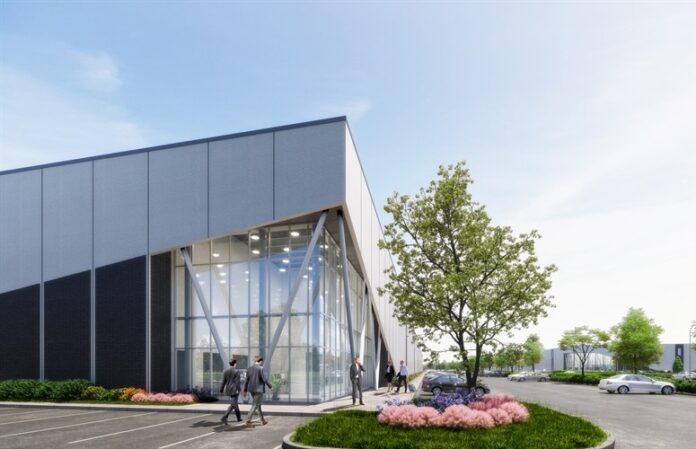

A defining industrial development in Central New Jersey is entering its final phase of stabilization, as Arsenal Trade Center in Sayreville moves to near full occupancy following two transformative lease agreements totaling more than 535,000 square feet—an inflection point that underscores both the strength of the region’s logistics market and the evolving demands shaping modern distribution infrastructure in 2026.
The latest commitments, secured by Trammell Crow Company in partnership with CBRE Investment Management, represent one of the most significant leasing milestones in the state’s industrial sector this year. Worldwide Logistics USA LLC, a global digital logistics provider with expanding international reach, has taken the entire 451,916-square-foot footprint of Building 3, while Nekteck Inc., an emerging manufacturer in the consumer wellness and device category, has secured nearly 84,000 square feet in Building 1. Together, these deals effectively bring the 1.1 million-square-foot complex to the threshold of full occupancy, reinforcing Arsenal Trade Center’s position as a premier Class A logistics hub in the Northeast corridor.
This momentum is not occurring in isolation. It reflects a broader recalibration of supply chain strategy across industries, where speed, proximity, and scalability have become the defining metrics of operational success. Central New Jersey, and Middlesex County in particular, has emerged as a focal point in this shift, offering unparalleled access to major transportation arteries, dense population centers, and a highly available labor force. For companies operating in global distribution networks, this region is no longer optional—it is foundational.
Worldwide Logistics’ decision to anchor its U.S. expansion at Arsenal Trade Center illustrates this reality with precision. The company’s leadership has positioned the Sayreville location as a critical node within a larger “localized fulfillment and regional distribution” model, one that integrates advanced digital warehousing systems with on-the-ground operational efficiency. This approach reflects a growing industry trend in which logistics providers are moving away from centralized, single-hub models and toward distributed networks designed to reduce delivery times, optimize inventory flow, and respond dynamically to market demand.
For New Jersey, the implications are substantial. The state’s proximity to the New York metropolitan area, combined with its infrastructure connectivity—including access to major highways, ports, and rail systems—continues to attract both domestic and international operators seeking to establish or expand their North American footprint. As highlighted in ongoing coverage within the Business section of Sunset Daily News New Jersey, this positioning has elevated the state into a central role within the national logistics economy, where demand for high-performance industrial space remains consistently strong.
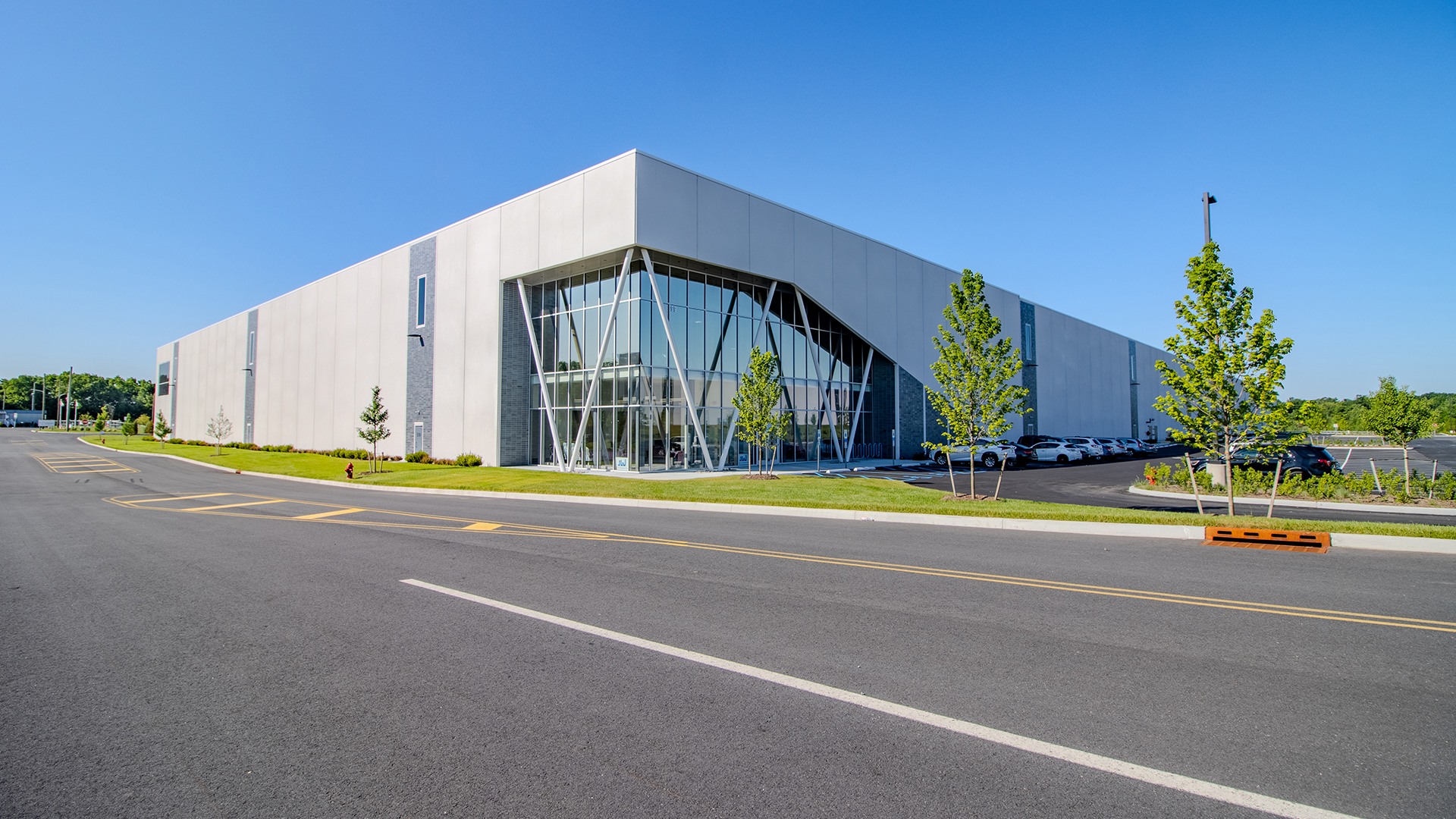
The design and specifications of Arsenal Trade Center further reinforce its appeal. Built to meet the highest standards of modern industrial development, the complex features 40-foot clear heights, expansive trailer and vehicle parking, and integrated sustainability elements including solar energy systems and LEED Gold certification. These features are no longer considered premium—they are baseline requirements for companies seeking to operate at scale in a competitive environment where efficiency, automation, and environmental performance intersect.
Nekteck’s lease, while smaller in scale, represents another critical dimension of the project’s success. As a manufacturer focused on innovative consumer products, the company’s presence highlights the diversification of tenants within the industrial sector. Warehousing is no longer limited to storage and distribution; it has evolved into a hybrid environment that supports manufacturing, assembly, fulfillment, and direct-to-consumer logistics. This convergence of functions is reshaping how industrial spaces are designed, leased, and utilized.
The velocity of leasing activity across the region further validates these trends. Data from the first quarter of 2026 indicates a surge in large-scale industrial transactions, with dozens of deals exceeding 100,000 square feet and a growing number surpassing the 200,000- and even 400,000-square-foot thresholds. Middlesex County has led this activity in total leased square footage, reinforcing its role as a primary engine of industrial growth within the state.
Arsenal Trade Center’s rapid lease-up timeline—from groundbreaking in 2022 to near full occupancy in early 2026—demonstrates how quickly the market has absorbed high-quality inventory. Earlier tenants, including JW Fulfillment Inc., which secured an entire building exceeding 340,000 square feet, and Essex Food Ingredients, which committed to more than 100,000 square feet, set the stage for the project’s current momentum. The remaining available space within Building 1 is expected to attract strong interest, given the scarcity of comparable Class A assets in the region.
Behind the project’s success is the institutional strength of its development team. Trammell Crow Company, a subsidiary of CBRE Group, brings decades of experience and a global portfolio valued in the tens of billions of dollars. Its ability to anticipate market demand, deliver high-performance assets, and secure major tenants reflects a disciplined approach to development that aligns closely with evolving industry requirements. With billions of dollars in active projects and pipeline development, the firm continues to play a significant role in shaping the future of industrial real estate both nationally and within New Jersey.
For Sayreville and the surrounding communities, the impact extends beyond square footage and lease agreements. Projects of this scale generate employment opportunities, increase local economic activity, and contribute to the long-term viability of the region as a logistics and distribution hub. At the same time, they introduce new considerations around infrastructure capacity, traffic patterns, and land use—factors that municipalities must continue to manage as industrial growth accelerates.
What distinguishes Arsenal Trade Center in this moment is not simply its size or its tenant roster, but its alignment with the broader trajectory of the logistics industry. The project embodies a shift toward smarter, more integrated supply chain systems, where location, design, and technology converge to create competitive advantage. It also reflects the growing importance of New Jersey as a strategic gateway—not just for goods moving across the country, but for companies expanding into global markets.
As 2026 continues to redefine the parameters of industrial real estate, developments like Arsenal Trade Center are setting the standard for what modern logistics infrastructure must deliver. With occupancy nearing completion and demand showing no signs of slowing, the project stands as a clear indicator of where the market is heading—and why Central New Jersey remains at the center of that movement.