


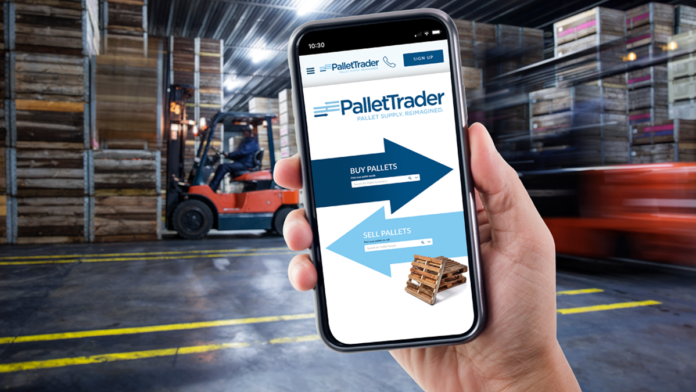

The global logistics and supply chain industry is built upon infrastructure that most consumers never see but depends on every single day. One of the most overlooked yet essential components of that infrastructure is the commercial pallet. These wooden or plastic platforms quietly power the movement of goods across warehouses, trucks, distribution centers, and retail shelves across the world.
Now, three years after its launch, PalletTrader has emerged as one of the most influential digital platforms transforming how this critical supply chain resource is bought, sold, managed, and distributed.
What began as an ambitious attempt to modernize a fragmented industry has evolved into a rapidly expanding digital marketplace that is redefining how businesses source and manage commercial pallets at scale. The company’s platform—built around a collaborative network model—connects buyers and sellers through a streamlined system that simplifies transactions, improves visibility, and introduces a new level of operational efficiency into a traditionally analog market.
As PalletTrader celebrates its third anniversary, the company’s growth offers a revealing look into how digital transformation is reaching even the most foundational corners of global commerce.
For industries that depend on reliable supply chain infrastructure—from manufacturing and retail to food distribution and pharmaceuticals—the implications are substantial.
The pallet market, long characterized by regional fragmentation and manual transaction processes, is undergoing a technological shift that mirrors the broader digitization of logistics.
PalletTrader is positioning itself squarely at the center of that shift.
At its core, the platform operates as the first collaborative digital marketplace specifically designed for commercial pallets. Instead of relying on traditional sourcing channels or one-off vendor relationships, companies can use the platform to manage pallet procurement through an integrated network of suppliers, recyclers, and logistics providers.
The platform’s managed service model allows businesses to coordinate pallet purchasing, inventory visibility, and resale opportunities through a centralized system. This approach replaces a patchwork of phone calls, local vendor agreements, and manual spreadsheets with a digital environment that delivers transparency and scalability.
For large-scale operators managing thousands—or even millions—of pallets moving through their supply chain each year, the ability to streamline these processes represents a significant operational advantage.
The pallet industry itself represents a far larger economic footprint than most people realize.
In North America alone, billions of pallets circulate through warehouses and distribution networks annually. Every major retail product—from groceries and consumer electronics to building materials and industrial components—spends part of its journey resting on a pallet.
Yet despite the enormous scale of this ecosystem, the buying and selling of pallets has historically remained highly decentralized. Local suppliers, independent recyclers, and regional logistics providers often operate in isolation, creating inefficiencies that ripple through the supply chain.
PalletTrader’s marketplace was designed to address precisely this fragmentation.
By connecting participants across the pallet lifecycle—manufacturers, recyclers, distributors, and end users—the platform introduces a network effect that increases market efficiency while reducing procurement friction.
This collaborative model reflects a broader trend in logistics technology, where digital marketplaces are increasingly replacing traditional procurement methods.
Companies across multiple sectors have embraced marketplace platforms to optimize freight, warehouse space, and equipment sourcing. PalletTrader extends that concept into an industry that had largely remained untouched by large-scale digital platforms.
The result is a system that allows businesses to buy pallets, sell excess inventory, and manage pallet recovery through a single digital interface.
The platform’s managed service model has proven particularly attractive to enterprises seeking turnkey solutions.
Rather than dedicating internal resources to coordinating pallet supply across multiple facilities, companies can rely on PalletTrader’s network to handle sourcing, pricing visibility, and vendor coordination.
This service-driven approach enables logistics teams to focus on broader operational priorities while maintaining confidence that pallet supply will remain stable and predictable.
For companies managing complex distribution networks, this level of predictability is critical.
Supply chain disruptions over the past several years—from pandemic-related shutdowns to transportation bottlenecks—have underscored the importance of resilient logistics infrastructure. Even relatively small disruptions in pallet availability can create cascading effects across warehouses and transportation schedules.
By introducing real-time marketplace visibility, PalletTrader helps organizations mitigate those risks.
Businesses can quickly locate available pallets within the network, compare pricing across suppliers, and coordinate transactions without the delays often associated with traditional procurement channels.
This capability is particularly valuable during periods of supply volatility when access to reliable inventory data can mean the difference between operational continuity and costly delays.
Another important dimension of the platform is its role in supporting sustainability within the pallet industry.
Wood pallets are one of the most widely reused shipping platforms in the world, yet managing the lifecycle of these assets requires coordination among multiple stakeholders.
PalletTrader’s marketplace enables companies to recover, repair, and resell pallets more efficiently by connecting businesses with recycling partners and secondary market buyers.
By extending the useful life of pallets and facilitating circular supply chain practices, the platform contributes to broader environmental goals within the logistics sector.
Reducing waste, improving asset utilization, and minimizing unnecessary production are increasingly central priorities for companies seeking to reduce their environmental footprint.
Digital infrastructure that supports those goals is becoming an essential component of modern supply chain strategy.
The rapid adoption of PalletTrader’s marketplace also highlights the growing role of data in logistics decision-making.
Traditional pallet procurement often relies on static pricing agreements and limited market visibility. By contrast, digital marketplaces generate valuable data insights that help organizations understand supply trends, regional availability, and pricing dynamics.
Over time, these insights allow businesses to make more informed purchasing decisions and optimize their pallet management strategies.
As the platform continues to grow, the accumulation of network data has the potential to unlock additional efficiencies across the supply chain.
For example, predictive analytics could help organizations anticipate pallet demand across different regions, while automated procurement tools could further streamline purchasing workflows.
These innovations align with a broader transformation taking place across the logistics industry.
Technology platforms are increasingly being deployed to modernize supply chain infrastructure, enabling businesses to operate with greater agility and transparency.
From freight optimization to warehouse automation, digital solutions are redefining how goods move from manufacturers to consumers.
PalletTrader represents a key part of that evolution.
By bringing the pallet market into the digital era, the company is addressing a long-standing gap in supply chain technology.
The success of the platform over its first three years demonstrates that even industries built around seemingly simple physical assets can benefit enormously from digital transformation.
As more companies recognize the operational advantages of marketplace-based procurement, adoption is likely to continue accelerating.
Within the broader business landscape, the rise of platforms like PalletTrader also reflects a shift toward collaborative logistics ecosystems.
Instead of operating as isolated entities, businesses increasingly participate in interconnected networks where resources, information, and services can be shared more efficiently.
This network-driven approach not only reduces operational costs but also strengthens the resilience of supply chains that must adapt to constant change.
For industries dependent on reliable distribution infrastructure, these innovations offer a powerful competitive advantage.
Looking ahead, the continued expansion of PalletTrader’s marketplace will likely introduce new capabilities that further enhance supply chain visibility and operational coordination.
As the logistics sector embraces digital infrastructure at an accelerating pace, platforms that enable collaboration, transparency, and efficiency are poised to become foundational elements of modern commerce.
Three years after its launch, PalletTrader has already demonstrated that a digital-first approach can transform even the most established industries.
By modernizing how commercial pallets are bought, sold, and managed, the company has helped bring one of the supply chain’s most fundamental components into the era of connected logistics.
In doing so, PalletTrader is not just streamlining pallet transactions—it is helping reshape how businesses think about supply chain infrastructure itself.