


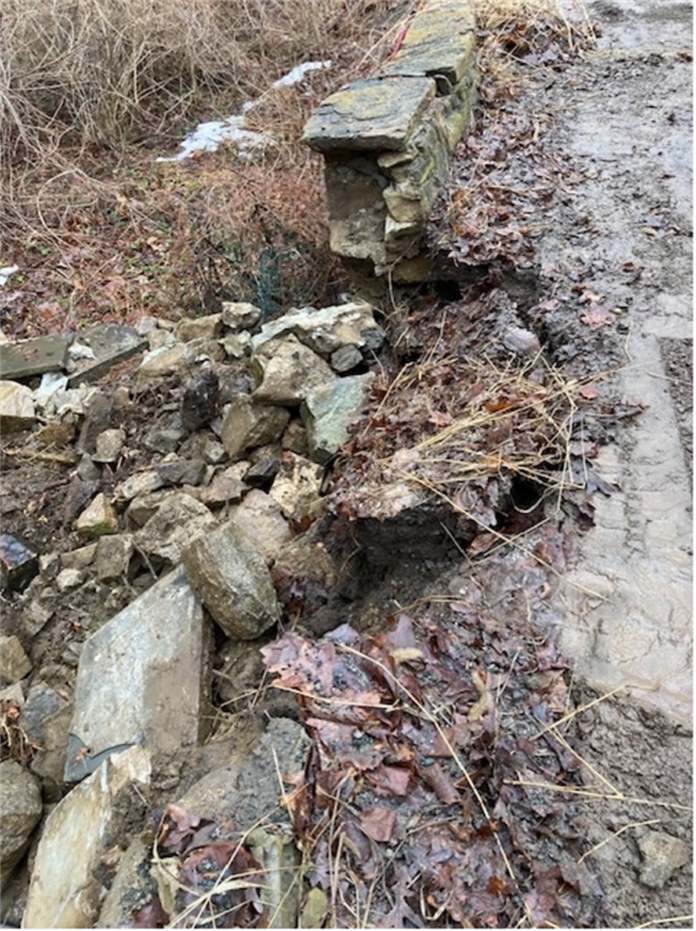

In the quiet, wooded landscape of Morris County, where winding roads pass historic farmland, rivers, and preserved open space, even the smallest bridges play an outsized role in the everyday rhythm of life. That reality is now front and center in Chester Township, where emergency repairs to the Pottersville Road Bridge are set to begin immediately, addressing structural damage and ensuring that one of the area’s longstanding transportation links remains safe for residents, commuters, and visitors alike.
The project, scheduled to begin March 11, focuses on urgent repairs to a section of the bridge’s stone masonry parapet after damage was identified along the structure. While the work itself is relatively small in scale, the bridge represents a classic example of New Jersey’s historic rural infrastructure—stonework construction that has quietly supported generations of traffic across local waterways.
County officials have moved quickly to stabilize and restore the structure, demonstrating how local governments across New Jersey continue to balance preservation, safety, and mobility across aging transportation assets.
A Small Bridge with a Big Role in Morris County’s Road Network
The Pottersville Road Bridge, officially designated as Bridge No. 1401-258, spans a tributary of the Black River in Chester Township. Though modest in size, measuring approximately seven feet in length with a roadway width of 21.8 feet, it serves as a vital connector along Pottersville Road, a corridor used daily by residents traveling between rural neighborhoods, nearby town centers, and regional roadways.
The bridge itself is a single-span stone masonry arch design—a style commonly used in New Jersey during earlier periods of infrastructure development. Stone arch bridges were historically favored for their durability and ability to blend seamlessly into natural landscapes, particularly in areas like Morris County where waterways cut through wooded terrain.
Both sides of the roadway are bordered by stone masonry parapets, architectural elements that not only provide protection for vehicles but also preserve the aesthetic character of the bridge. Damage to a portion of this parapet prompted county engineers to initiate emergency repair work in order to maintain the integrity of the structure.
Interestingly, the original construction date of the bridge remains unknown, a reminder of just how old some of New Jersey’s infrastructure truly is. Many bridges of this type were constructed in the late 19th or early 20th centuries and have been maintained through periodic repairs rather than full reconstruction.
Emergency Repair Work Begins March 11
Construction crews will mobilize quickly, with work scheduled to begin on March 11 under the direction of Morris County’s Division of Engineering and Transportation. The county has contracted Sparwick Contracting Inc., a Lafayette-based firm with extensive experience in masonry and structural repair projects throughout northern New Jersey, to carry out the work.
The emergency repair project carries an estimated cost of approximately $123,000 and will be funded directly by the county.
Rather than closing the roadway entirely, construction plans call for maintaining one lane of alternating traffic during the repair process. This approach allows vehicles to continue passing through the area while crews stabilize and reconstruct the damaged parapet.
Motorists traveling through the corridor should expect minor delays and are encouraged to slow down and use extra caution while approaching the work zone.
Though the repairs are targeted and relatively short-term, county officials emphasize that maintaining traffic flow while completing structural work is a critical part of modern infrastructure management.
The Importance of Maintaining Historic Bridges Across New Jersey
Across Morris County and the broader state, bridges like the one on Pottersville Road represent a significant portion of the transportation network. Many of these structures were built decades—or even more than a century—ago and now require ongoing monitoring, preservation, and rehabilitation.
Rather than replacing every aging bridge outright, counties often pursue targeted repairs designed to extend the lifespan of historically significant structures while preserving their original materials and architectural character.
Stone masonry bridges in particular present unique engineering challenges. Unlike modern steel or concrete spans, masonry arches rely on carefully balanced structural forces distributed through stone blocks and mortar joints. Damage to parapets, joints, or load-bearing components can affect the stability of the entire structure if left unaddressed.
That is why prompt intervention—such as the current emergency repair initiative—is critical.
These projects are part of a broader infrastructure strategy across New Jersey that emphasizes proactive maintenance, structural inspection, and long-term asset management. By addressing small structural issues early, counties can avoid larger, more expensive replacement projects later.
Chester Township’s Landscape and Infrastructure Context
Chester Township is widely known for its rural charm, equestrian culture, and extensive preserved open space. The township sits within one of the most scenic parts of Morris County, where historic roadways frequently cross streams and tributaries feeding into the Black River watershed.
Because of the area’s environmental sensitivity and historic character, infrastructure work often requires careful planning. Projects must balance engineering needs with environmental protection and community aesthetics.
Roadways such as Pottersville Road serve as important local arteries connecting Chester Township with neighboring communities and regional highways. Even small bridges along these routes help maintain access for residents, emergency services, school transportation, and local commerce.
Maintaining these crossings is particularly important in regions where detours could significantly increase travel distances along winding rural roads.
Infrastructure Investment Continues Across the Region
Projects like the Pottersville Road Bridge repair are part of a broader wave of infrastructure investment happening across New Jersey. Counties and municipalities are working to modernize transportation systems while preserving the historic elements that define many communities.
Bridge maintenance programs have become especially important as infrastructure nationwide continues to age. Local governments now rely on regular inspection cycles and engineering assessments to identify early signs of wear, structural fatigue, or environmental damage.
Stone parapets, guardrails, and masonry walls are among the components most commonly repaired in historic bridge structures, particularly in areas exposed to freeze-thaw cycles, heavy rainfall, and long-term erosion.
Morris County’s decision to move quickly with repairs demonstrates how local infrastructure programs prioritize safety while minimizing disruptions to daily travel.
What Drivers Should Expect During Construction
Residents and commuters traveling along Pottersville Road in Chester Township should anticipate limited traffic control measures during the repair work.
One lane of the roadway will remain open at all times, with alternating traffic directed through the work zone as crews complete the masonry restoration.
Drivers are advised to:
• Reduce speed when approaching the bridge
• Follow temporary traffic signals or flaggers directing alternating traffic
• Allow for minor delays during peak travel periods
• Remain alert for construction personnel and equipment
While the repairs are not expected to require a full road closure, motorists should still exercise caution to ensure both worker safety and smooth traffic flow.
Local Contractors Supporting Regional Infrastructure
Sparwick Contracting Inc., the Lafayette-based contractor selected for the project, has worked on a variety of construction and infrastructure initiatives across northern New Jersey. Firms like Sparwick play a key role in helping counties maintain critical infrastructure while supporting local employment and regional economic activity.
Using specialized masonry repair techniques, crews will carefully restore the damaged section of the parapet while maintaining the visual continuity of the original stonework.
For historic bridges, this kind of craftsmanship is particularly important. Engineers and contractors must ensure that repairs reinforce the structure without compromising its historical character.
Community Communication and Reporting Concerns
Residents with questions about the repair work or concerns about traffic impacts are encouraged to contact the Morris County Division of Engineering and Transportation directly.
The department continues to coordinate closely with township officials and local residents to ensure the repair process proceeds smoothly and safely.
Community members can reach the division by phone at 973-285-6750 for project updates or to report any issues related to the bridge or surrounding roadway.
Protecting the Foundations of New Jersey’s Local Transportation System
In communities like Chester Township, infrastructure projects often happen quietly, without the headlines associated with major highway construction. Yet the impact of these efforts is felt every day.
Bridges like the one on Pottersville Road allow residents to move seamlessly across rivers and streams that have shaped the region’s geography for centuries. Maintaining these crossings ensures that historic communities remain connected, accessible, and safe.
Emergency repairs such as this one demonstrate the value of proactive infrastructure management. By identifying structural concerns early and addressing them quickly, counties can preserve the transportation networks that support local economies, public safety, and the daily lives of New Jersey residents.
As work begins this week, Morris County officials emphasize that the project reflects a broader commitment to maintaining the reliability and character of the region’s roads and bridges—ensuring that even the smallest structures continue to serve the communities that depend on them.