


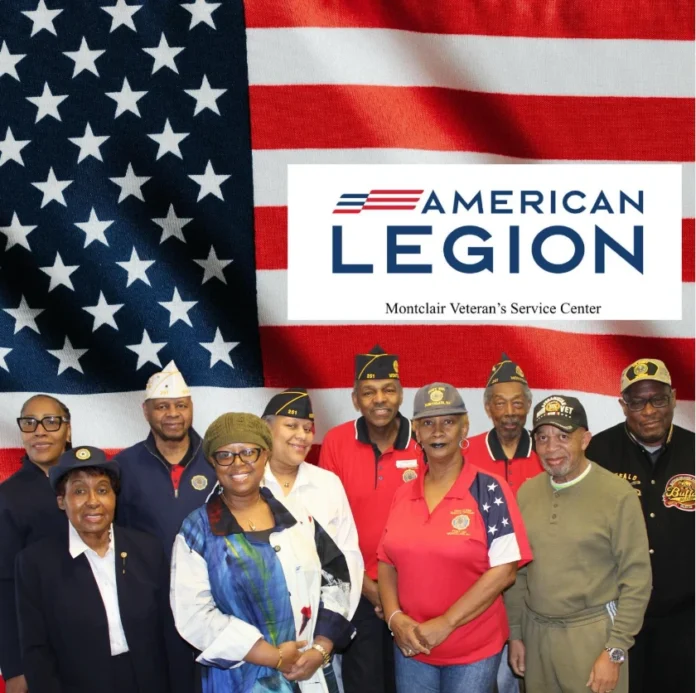

A landmark property in Montclair with nearly a century of history is being positioned for a new chapter that aligns preservation, housing development, and social impact into a single, forward-looking project. Crawford Crews American Legion Post 251, long recognized as a cornerstone for African-American veterans in New Jersey, is set to be rebuilt as the Montclair Veterans Service Center—a modern facility designed to provide supportive housing and essential services for at-risk, aging, and homeless veterans.
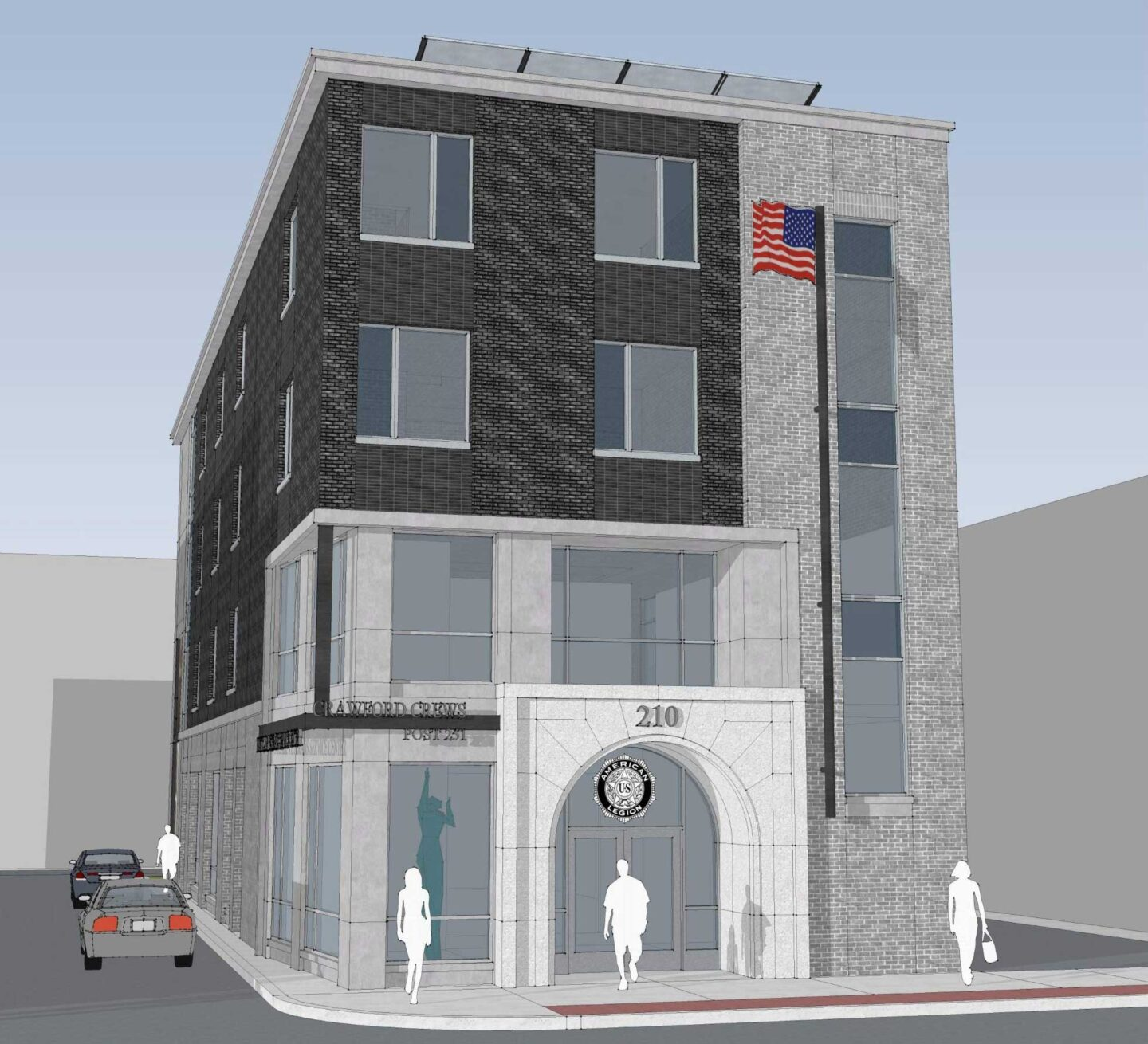
The redevelopment represents a significant shift in how legacy community institutions can be adapted to address contemporary challenges, particularly in a state where both housing shortages and veteran support needs remain pressing concerns. Located at 210 Bloomfield Avenue, the site has served as a gathering place for generations of veterans since its establishment in 1935. Named after Crawford Crews, a Montclair resident who served with distinction in the Harlem Hellfighters during World War I, the post has carried a legacy defined by service, resilience, and community engagement.
Now, that legacy is being extended through a project that transforms the traditional role of an American Legion post into a multi-functional environment centered on housing stability and long-term support. The new Montclair Veterans Service Center will replace the existing structure with a purpose-built facility that includes 11 supportive housing units alongside dedicated spaces for services, programming, and community interaction. This integration of residential and service components reflects a broader evolution in how veteran-focused developments are conceived, moving beyond single-use facilities toward holistic models that address both immediate and ongoing needs.
The project is being led by DIGroup Architecture in collaboration with architect James L. Evers, bringing together expertise in design, community planning, and socially driven development. Their approach is rooted in the concept of adaptive reinvention—preserving the cultural and historical significance of the site while introducing modern infrastructure capable of supporting a new generation of users. Through this lens, the redevelopment is not simply a replacement of an aging building but a redefinition of its purpose within the community.
Central to the design is the incorporation of elements from the site’s earlier history, including architectural references to the original Italian Renaissance-style structure that once housed Washington Hose Company No. 3 in the late 19th century. By retaining and reinterpreting these features, the project maintains a visual and cultural continuity that connects past and present, ensuring that the new facility reflects both its historical roots and its future role.
From a real estate and development perspective, the Montclair Veterans Service Center illustrates a targeted application of infill redevelopment, where an existing site is leveraged to deliver high-impact outcomes without requiring expansive new land acquisition. This approach is particularly relevant in a state like New Jersey, where available land is limited and redevelopment opportunities must be maximized to address critical needs. By aligning the project with state and federal support mechanisms, including backing from the U.S. Department of Veterans Affairs and pre-development funding from New Jersey, the initiative demonstrates how public and private resources can be coordinated to achieve measurable results.
The inclusion of supportive housing within the project addresses one of the most urgent challenges facing veterans today. Housing instability among veterans remains a persistent issue, often compounded by factors such as age, health conditions, and economic constraints. By providing on-site services alongside residential units, the development creates an environment where residents can access the resources they need without navigating fragmented systems. This model is increasingly recognized as a best practice in addressing homelessness and housing insecurity, offering both stability and a pathway toward long-term independence.
Equally significant is the project’s emphasis on community integration. The new facility is designed not only as a residence but as a hub for engagement, where veterans can connect with one another and with the broader Montclair community. This dual function reinforces the role of the American Legion as both a support network and a civic institution, ensuring that its presence remains active and relevant within the local landscape.
The historical significance of Crawford Crews Post 251 adds another layer of importance to the redevelopment. Over the decades, the post has served as a meeting place for African-American veterans, including members of the Tuskegee Airmen, and has been deeply involved in philanthropic and community-focused initiatives. Preserving this legacy while adapting the site for modern use requires a careful balance, one that the project team has approached with a clear understanding of its cultural weight and historical context.
This redevelopment also reflects a broader statewide initiative led by the American Legion to repurpose and modernize its facilities as part of an effort to combat veteran homelessness. By transforming underutilized or aging posts into active service centers with integrated housing, the organization is creating a network of resources that can operate at both local and regional levels. The Montclair project stands as a leading example of this strategy in action, demonstrating how targeted investment and design innovation can produce scalable solutions.
Across the Real Estate section of Sunset Daily News, projects like this are increasingly defining the direction of development in New Jersey. Rather than focusing solely on traditional residential or commercial construction, there is a growing emphasis on purpose-driven development—projects that address specific societal needs while contributing to the broader economic and urban fabric of the state.
As the Montclair Veterans Service Center moves through final approvals and toward construction, it represents more than a single redevelopment project. It is a model for how communities can honor their history while addressing present-day challenges, using design, policy, and collaboration to create spaces that serve both individuals and the collective good. For Montclair, it ensures that a site long associated with service will continue to fulfill that mission in a way that is both contemporary and deeply rooted in its original purpose.



