


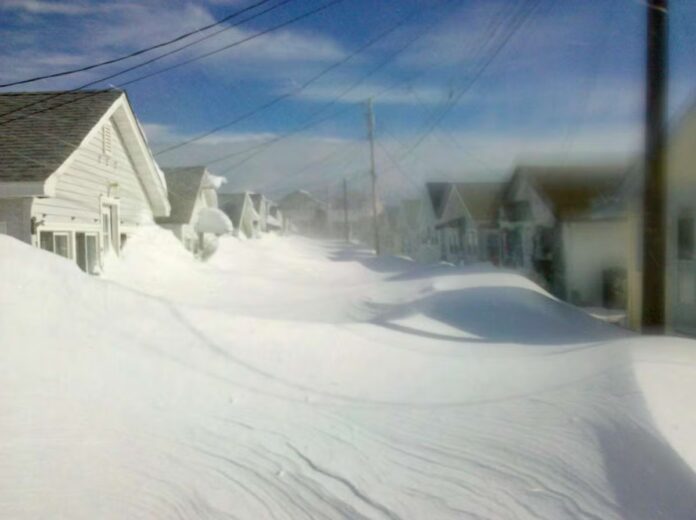

A powerful and life-threatening winter storm is bringing historic snowfall, widespread disruptions, and dangerous conditions across New Jersey and the broader Northeast and Mid-Atlantic, transforming late February 2026 into one of the most consequential winter weather events in recent memory. With snowfall rates reaching as high as three inches per hour in some areas, emergency officials are urging residents to remain indoors as transportation systems shut down, power outages escalate, and state authorities enforce strict travel restrictions.
The storm, which began intensifying late on February 22, has rapidly evolved into a regional crisis impacting millions of residents, businesses, and infrastructure networks across multiple states. In New Jersey, where significant accumulations and severe conditions continue to unfold, state leadership has enacted sweeping emergency measures designed to protect public safety while emergency crews respond to mounting challenges.
For ongoing statewide conditions and local forecasts, residents can follow the latest updates through the Weather Report section, which provides continuous coverage of New Jersey weather developments and seasonal alerts.
Statewide Emergency Declared Across New Jersey
New Jersey has taken decisive action in response to the storm’s severity. Governor Mikie Sherrill declared a statewide state of emergency covering all 21 counties, reflecting the unprecedented scale and intensity of the blizzard. The declaration activated emergency response protocols, mobilized state resources, and implemented a ban on non-essential travel across the state. That travel restriction remains in effect through noon today, February 23, as authorities continue assessing road safety and infrastructure conditions.
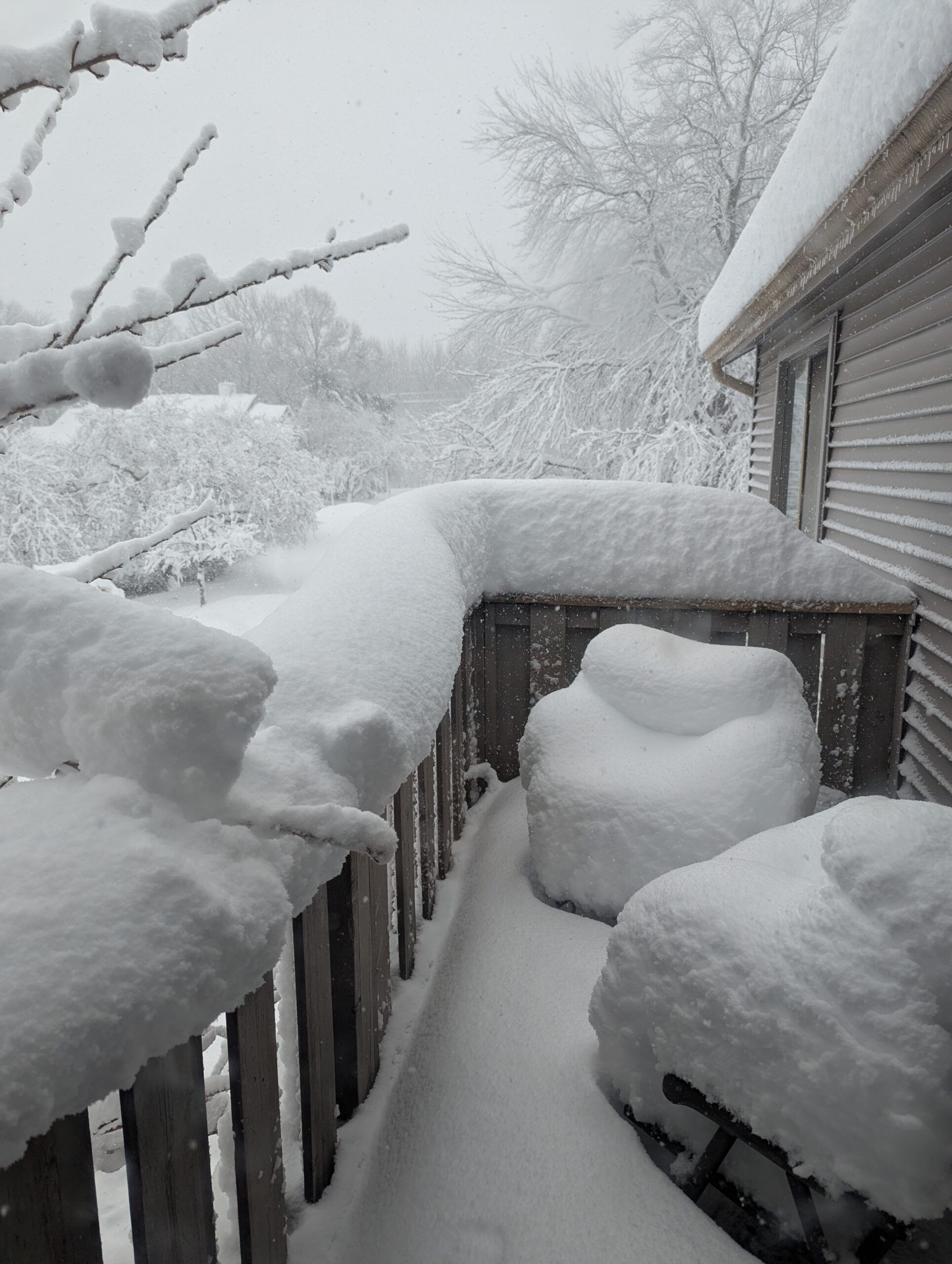
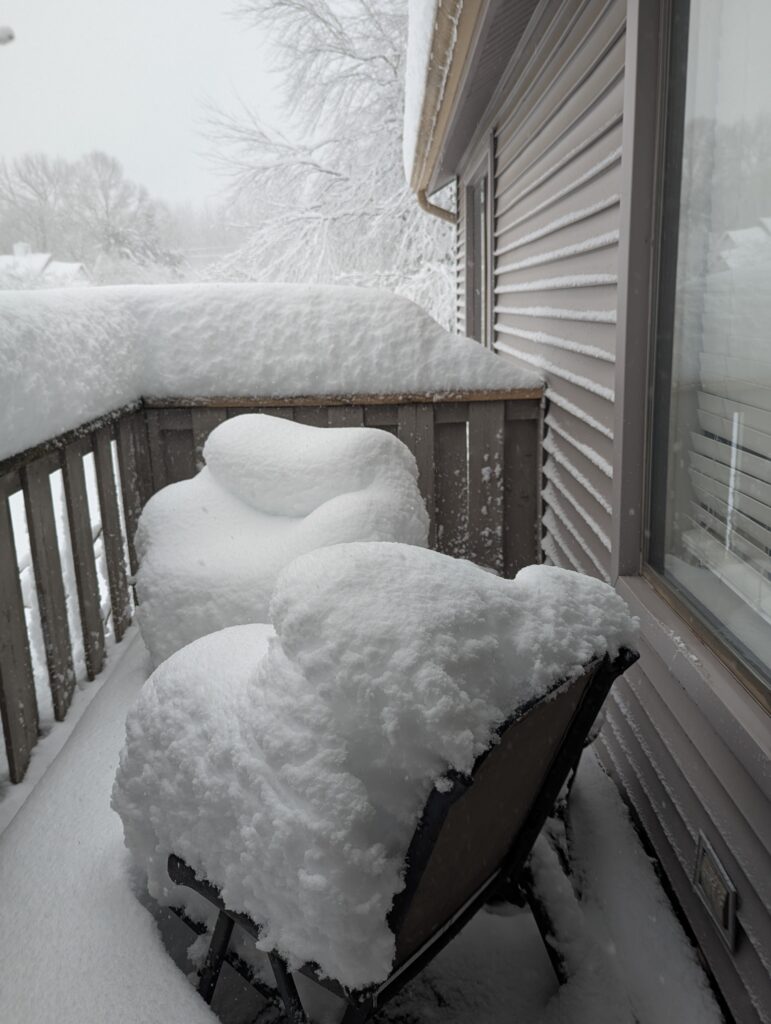
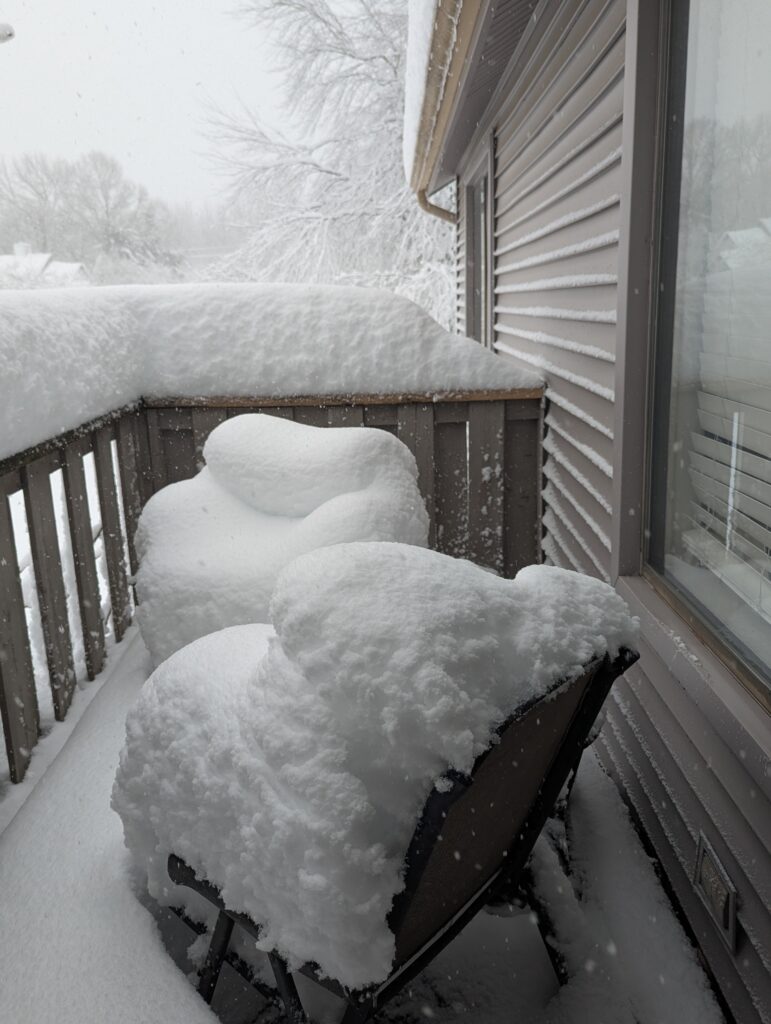
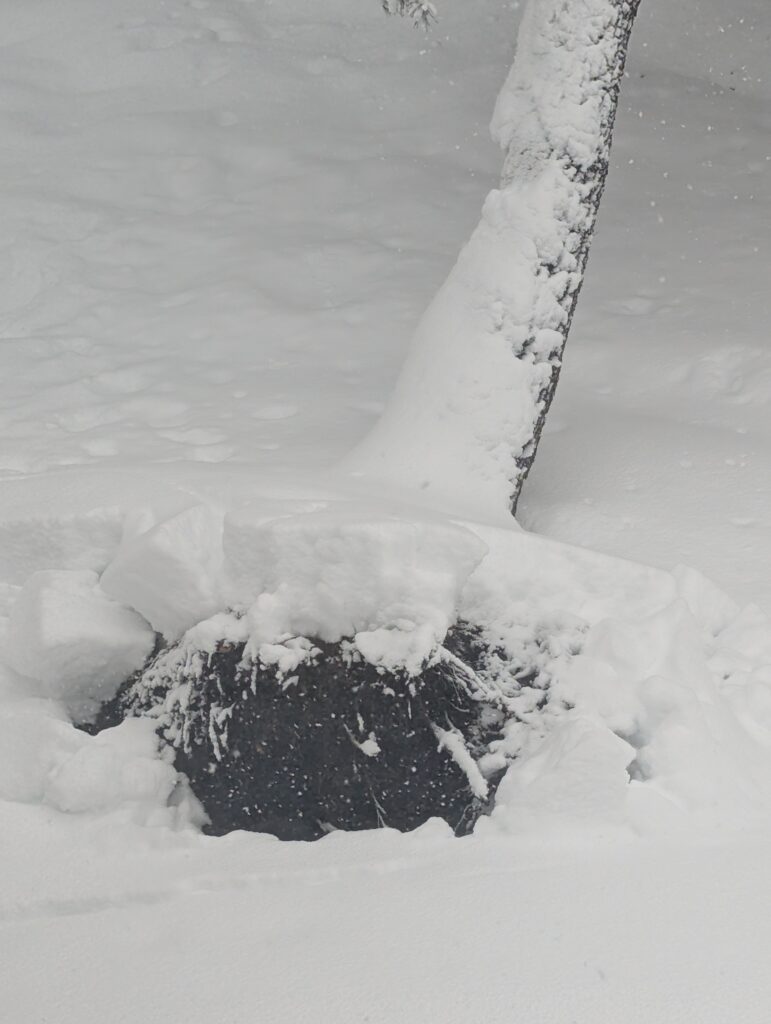
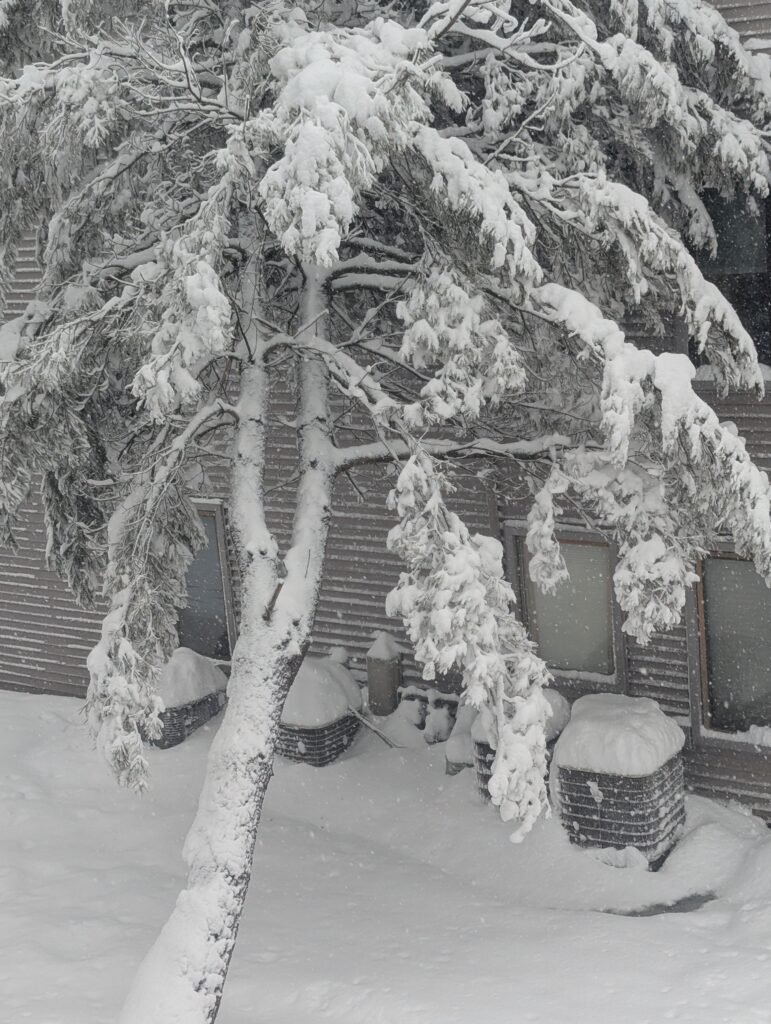
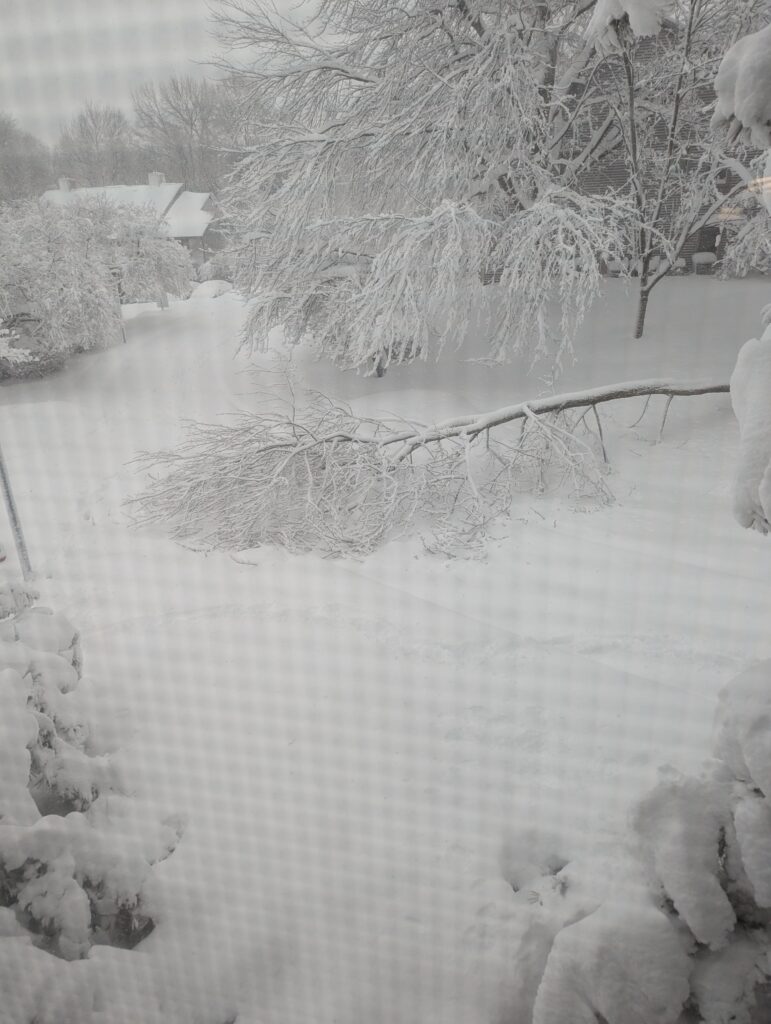
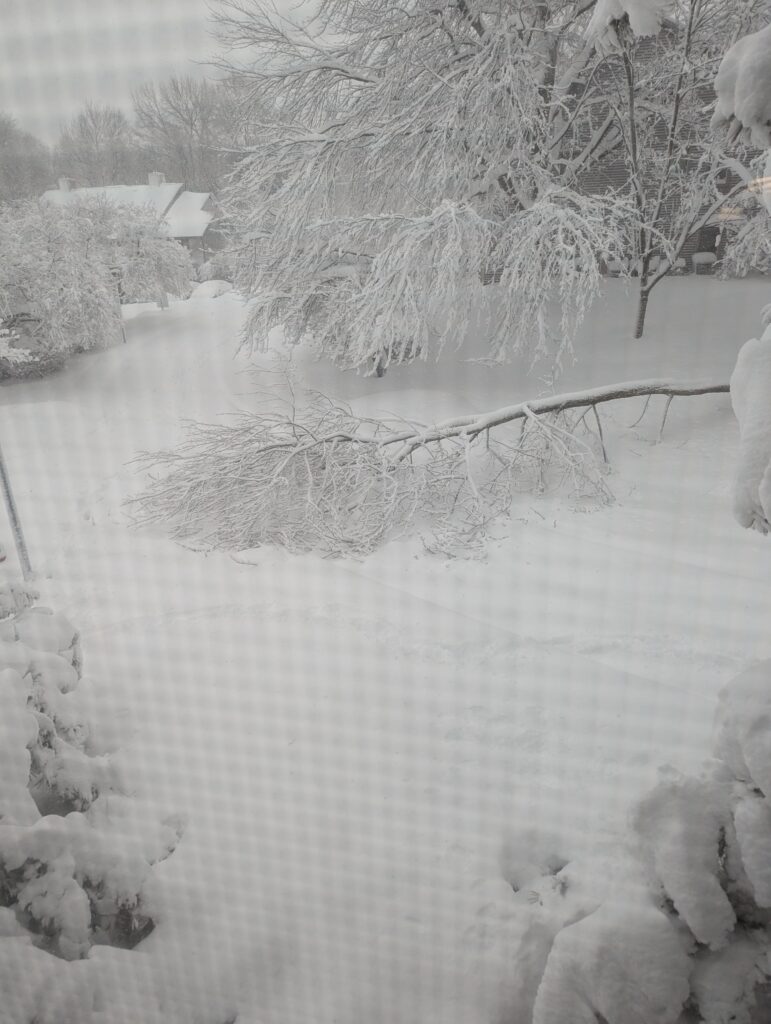
The emergency declaration underscores the storm’s impact across both urban and suburban regions, from densely populated North Jersey corridors to coastal and central communities already facing significant snowfall totals. Officials emphasize that staying off the roads allows emergency responders, utility crews, and municipal workers to operate more efficiently while reducing accident risk amid near-zero visibility and hazardous driving conditions.
Public safety officials continue coordinating with local municipalities, county emergency management agencies, and transportation authorities to monitor developments, manage snow removal operations, and respond to weather-related incidents.
Regional Impact: Northeast and Mid-Atlantic Under Siege
The blizzard’s reach extends far beyond New Jersey, creating a cascading series of emergency declarations across the Northeast and Mid-Atlantic region. New York City issued a non-emergency travel ban covering all streets through midday, while New York State leadership declared a state of emergency for all five boroughs and Long Island. Similar emergency measures have been enacted across Massachusetts, Connecticut, Rhode Island, Delaware, and Pennsylvania.
This widespread regional response highlights the storm’s exceptional strength and geographic scope. The coordinated actions among states reflect a unified strategy to limit public exposure to dangerous conditions while supporting large-scale emergency operations.
Major metropolitan centers, including New York City, Philadelphia, and Boston, are experiencing extensive disruptions, with public services suspended and residents urged to shelter in place until conditions improve.
Transportation Systems Shut Down as Travel Disruptions Mount
Transportation infrastructure across the region has been severely impacted, effectively halting normal travel operations. Thousands of flights have been canceled at major international airports, including Newark Liberty International Airport, John F. Kennedy International Airport, and LaGuardia Airport, stranding travelers and disrupting regional air traffic networks.
Within New Jersey, NJ Transit suspended all bus and light rail services until further notice, citing unsafe conditions caused by heavy snow accumulation, reduced visibility, and severe wind gusts. Commercial vehicle bans are also in effect across major highways throughout the region, preventing large trucks and freight vehicles from traveling on key transportation corridors.
Road conditions remain treacherous across much of the state, with whiteout conditions reported in numerous locations. Snow-covered roadways, icy surfaces, and limited visibility have created hazardous travel environments even for emergency personnel.
Transportation officials advise residents to avoid all non-essential travel and to monitor official updates regarding service restorations and roadway reopenings.
Power Outages Affect Hundreds of Thousands Across the Region
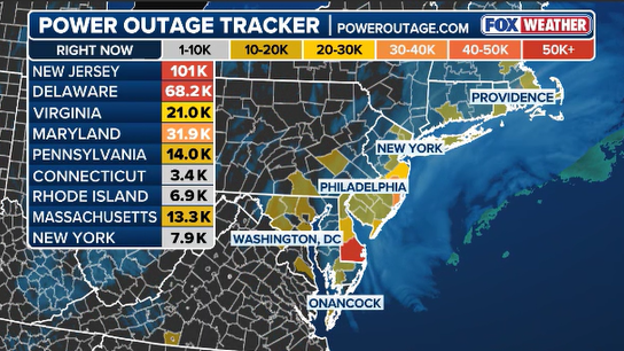
In addition to transportation disruptions, the storm’s heavy, wet snow combined with powerful wind gusts has caused widespread power outages throughout the Northeast. More than 400,000 customers across the region are currently without electricity.
New Jersey alone has reported approximately 120,000 power outages, affecting residential neighborhoods, commercial districts, and public facilities. Downed power lines, fallen tree limbs, and storm-related infrastructure damage continue to challenge utility crews working to restore service under extremely difficult conditions.
Elsewhere in the region, Massachusetts has experienced particularly severe outages, with more than 128,000 customers affected. Coastal communities on Cape Cod have reported outage rates reaching nearly two-thirds of customers in some towns.
The storm’s intensity is further illustrated by extreme wind conditions. Gusts have reached 84 miles per hour on Long Island and approximately 75 miles per hour in Boston, producing severe blowing snow and near-total visibility loss in exposed areas.
Emergency management agencies warn that restoration efforts may take extended periods due to ongoing snowfall, hazardous conditions, and the scale of infrastructure damage.
Significant Snowfall Totals Across New Jersey and the Northeast
Snowfall accumulations continue to climb as the storm progresses, with substantial totals recorded across multiple states. In New Jersey, Freehold has reported approximately 19 inches of snow, marking one of the highest totals in the state so far.
Across the broader region, Long Island has recorded more than 20 inches of snowfall, while Philadelphia is forecast to receive between 11 and 15 inches. Boston is also expected to approach or exceed 20 inches as the storm continues.
Meteorologists describe the storm’s rapid accumulation rates as a primary factor driving the emergency response. Sustained snowfall of up to three inches per hour can quickly overwhelm snow removal operations, reduce visibility to near zero, and create life-threatening conditions for anyone exposed to the elements.
The combination of heavy precipitation, strong winds, and rapidly dropping temperatures has produced classic blizzard conditions characterized by drifting snow, extreme cold exposure risk, and severe transportation hazards.
Schools and Public Services Shut Down
The storm’s widespread impact has forced the closure of public schools across major urban areas, including New York City, Philadelphia, and numerous districts throughout New Jersey. Educational institutions and government offices have suspended operations to protect students, staff, and families from dangerous travel conditions.
Local governments have also scaled back non-essential services while prioritizing emergency response operations such as snow removal, road treatment, and public safety patrols.
Residents are advised to monitor local municipal announcements for updates regarding service availability, school schedules, and reopening timelines.
Public Safety Guidance and Emergency Preparedness
Authorities across New Jersey continue emphasizing the importance of personal safety during the ongoing storm. Residents are urged to remain indoors, avoid unnecessary travel, and prepare for potential extended power outages by ensuring access to essential supplies.
Emergency management officials recommend maintaining adequate food, water, and heating resources while keeping communication devices charged. Individuals relying on medical equipment requiring electricity are encouraged to seek alternative arrangements if power disruptions persist.
Officials also warn against approaching downed power lines, attempting unnecessary outdoor activities, or traveling during active blizzard conditions.
A Defining Winter Event for the Region
This late-February blizzard represents one of the most severe winter weather events to affect New Jersey and the surrounding region in recent years. Its scale, intensity, and widespread disruption have tested regional infrastructure and emergency response systems while underscoring the critical importance of preparedness and coordinated action.
As the storm continues to move through the region, recovery efforts will focus on restoring transportation networks, repairing damaged infrastructure, and supporting communities affected by power outages and service disruptions.
Residents throughout New Jersey and the Northeast are encouraged to remain vigilant, follow official guidance, and stay informed through continuous updates as conditions evolve in the hours ahead.