


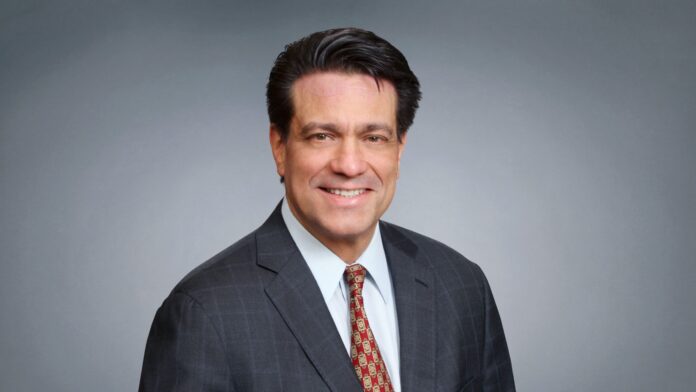

In a development that signals both continuity and forward momentum within New Jersey’s legal community, Blume Forte partner Norberto Garcia is set to be installed as President of the New Jersey State Bar Association during its 2026 Annual Meeting—an appointment that carries significant weight not only within the profession but across the broader legal, civic, and public policy landscape of the state. His elevation to this role represents more than a ceremonial transition; it marks a pivotal moment for the direction of legal advocacy, professional standards, and access to justice initiatives throughout New Jersey.
Garcia’s ascent comes at a time when the legal profession is navigating a complex convergence of issues, from evolving courtroom technologies and shifting regulatory frameworks to the growing urgency around equitable access to legal services. As President, Garcia will assume leadership of one of the state’s most influential legal organizations, representing thousands of attorneys across diverse practice areas, while serving as a central voice in shaping policy, ethics, and professional development statewide.
Blume Forte’s announcement underscores not only Garcia’s professional accomplishments but also the firm’s longstanding reputation for producing leaders who operate at the intersection of litigation excellence and public service. Known for its deep bench in personal injury and complex litigation, the firm has consistently contributed to the advancement of legal standards in New Jersey, and Garcia’s appointment reinforces that legacy at the highest organizational level.
Garcia’s career has been defined by a combination of courtroom credibility, institutional involvement, and a sustained commitment to strengthening the legal profession from within. Over the years, he has built a reputation as a strategic litigator with a nuanced understanding of both trial dynamics and appellate frameworks, while also dedicating significant time to bar association leadership, committee work, and mentorship initiatives that shape the next generation of attorneys.
His presidency arrives at a moment when organizations like the New Jersey State Bar Association are increasingly called upon to serve as stabilizing forces within a rapidly changing legal ecosystem. The pressures facing the profession are multifaceted: rising costs of legal services, disparities in representation, increased demand for pro bono work, and the integration of digital tools that are transforming how legal work is conducted. Garcia’s leadership is expected to address these dynamics with a focus on practical solutions, institutional collaboration, and forward-thinking governance.
Within New Jersey, the role of the State Bar Association extends well beyond internal professional matters. It plays a critical function in legislative advocacy, judicial evaluation, and the protection of legal independence—areas that have become increasingly prominent in public discourse. Garcia’s tenure is anticipated to reinforce these functions while expanding engagement with both policymakers and the communities most impacted by legal system outcomes.
The timing of this leadership transition also aligns with broader developments across New Jersey’s law and order landscape, where conversations around criminal justice reform, civil litigation standards, and community-based legal interventions continue to evolve. Coverage across the Law & Order section of Sunset Daily has consistently highlighted how leadership within legal institutions directly influences these conversations, and Garcia’s presidency is expected to play a meaningful role in shaping that trajectory.
At the core of Garcia’s leadership philosophy is a recognition that the legal profession must remain both adaptable and grounded. Adaptable in its willingness to embrace new technologies, procedural efficiencies, and alternative dispute resolution mechanisms; grounded in its commitment to ethical practice, client advocacy, and the foundational principles of justice that define the profession. This dual focus will likely define the priorities of his administration, particularly as younger attorneys enter the field with different expectations around work structure, diversity, and professional engagement.
Garcia’s appointment also carries symbolic significance. As the legal profession continues to confront questions of representation and inclusivity, leadership that reflects the diversity of the communities it serves becomes increasingly important. His presidency is expected to further ongoing efforts within the association to expand outreach, support underrepresented attorneys, and foster a more inclusive professional environment that better mirrors the state’s population.
From an operational standpoint, the New Jersey State Bar Association under Garcia’s leadership will likely intensify its focus on continuing legal education, member services, and strategic partnerships. These areas are critical not only for maintaining professional competency but also for ensuring that attorneys across the state remain equipped to navigate an increasingly complex legal environment. Enhancing these offerings will be essential in sustaining the association’s relevance and value to its membership.
Blume Forte’s role in this moment cannot be understated. The firm’s support of Garcia’s leadership reflects a broader culture of engagement that extends beyond casework into the structural development of the legal profession itself. By contributing leadership at this level, the firm reinforces its position not just as a participant in the legal system, but as an architect of its future direction.
As the 2026 Annual Meeting approaches, the installation of Norberto Garcia as President of the New Jersey State Bar Association stands as a defining milestone—one that encapsulates both the achievements of a distinguished legal career and the evolving demands of a profession in transition. His leadership will be closely watched, not only by members of the bar but by anyone invested in the integrity, accessibility, and future trajectory of the legal system in New Jersey.
In a state where law, policy, and community impact are deeply interconnected, this transition represents more than a change in leadership. It signals a renewed commitment to advancing the profession with purpose, precision, and a clear vision for what comes next.



