
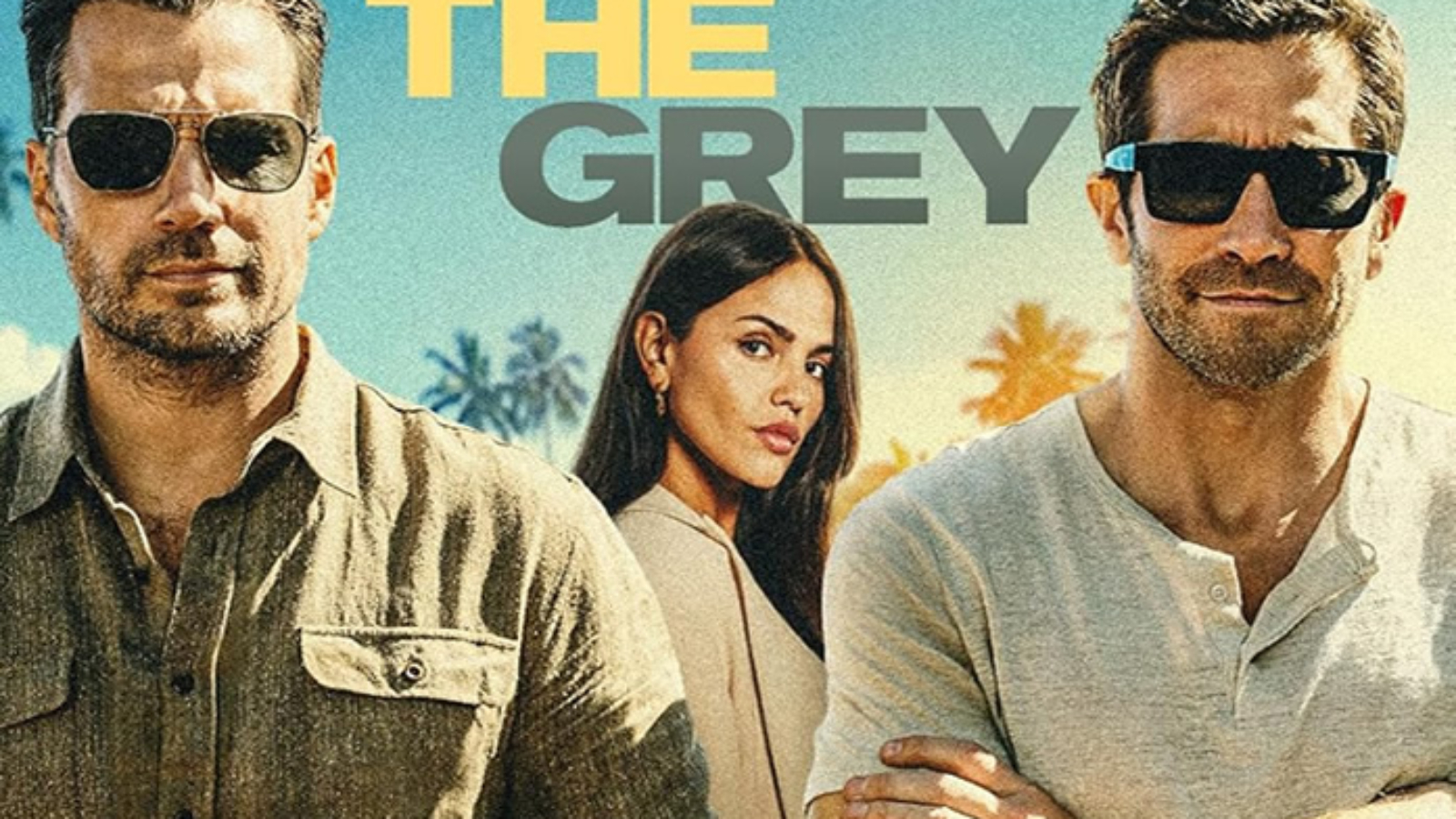
Guy Ritchie’s In the Grey Brings Precision, Firepower, and Old-School Action Cool Back to the Big Screen
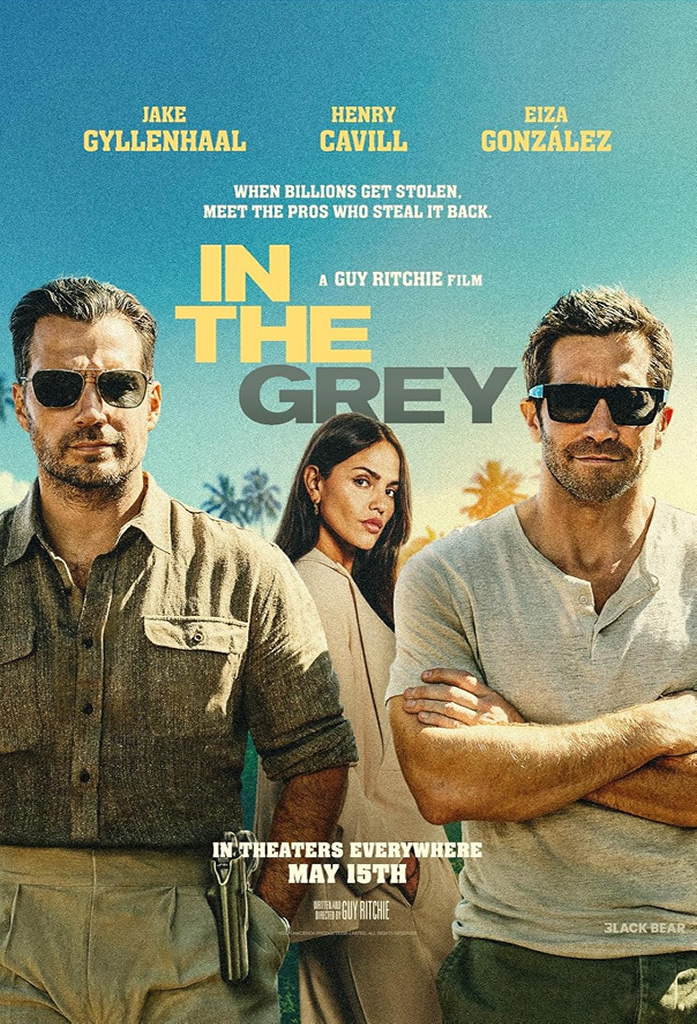
For more than two decades, filmmaker Guy Ritchie has occupied a unique space in modern cinema. While countless directors have attempted to replicate his blend of razor-sharp dialogue, intricate criminal underworlds, fast-paced storytelling, and stylish visual flair, few have managed to capture the distinct energy that has become synonymous with his name. From crime capers and gangster dramas to espionage thrillers and globe-trotting adventures, Ritchie has consistently delivered films that feel unmistakably his own. In 2026, he returns with what may be one of his most ambitious projects yet: In the Grey, a high-stakes action thriller that combines elite covert operations, billion-dollar criminal conspiracies, international intrigue, and a powerhouse ensemble cast into a relentlessly entertaining cinematic experience.
Positioned as a spiritual successor to many of the director’s most beloved action-driven productions, In the Grey represents both an evolution and a return to form. The film embraces the hallmarks audiences expect from a Guy Ritchie production—rapid-fire banter, morally ambiguous heroes, intricate plotting, and meticulously crafted action sequences—while simultaneously expanding its scope into a larger global arena. The result is a film that feels contemporary without sacrificing the character-driven storytelling and stylish confidence that have defined the director’s career.
At the center of the narrative is an audacious mission that immediately raises the stakes beyond conventional action-thriller territory. A powerful lawyer assembles a clandestine team of elite operatives known only within the shadows of international power circles. These specialists are not government agents, soldiers, or traditional mercenaries. They are fixers—highly trained professionals capable of solving problems that official institutions cannot touch. Their latest assignment involves recovering a stolen fortune worth one billion dollars that has fallen into the hands of a ruthless criminal empire and an increasingly dangerous authoritarian figure whose influence stretches across multiple continents.
From the outset, the film establishes itself as something more sophisticated than a standard action spectacle. Rather than relying solely on explosive set pieces and large-scale destruction, In the Grey builds tension through strategy, deception, intelligence gathering, and calculated risk. Every move carries consequences. Every alliance remains uncertain. Every operation unfolds within a world where legal loopholes, financial systems, political influence, and covert networks often prove more powerful than weapons alone.
That emphasis on intelligence and tactical problem-solving gives the film a distinctive identity within the crowded action genre. The operatives at the center of the story are not superheroes. They are highly skilled professionals forced to navigate a labyrinth of competing interests, hidden agendas, and dangerous adversaries. Their success depends as much on planning and adaptability as it does on physical capability.
Leading the cast is Henry Cavill, whose commanding screen presence continues to make him one of the most compelling action stars working today. Cavill has spent the last decade building a reputation for portraying characters who combine physical authority with intelligence and restraint. In In the Grey, he delivers another performance that balances charisma, tactical precision, and understated humor. His character functions as both strategist and field operator, anchoring the film’s increasingly complex web of operations.
Opposite him is Jake Gyllenhaal, who brings a completely different energy to the film. Where Cavill projects control and discipline, Gyllenhaal introduces unpredictability, wit, and occasional recklessness. The chemistry between the two actors quickly becomes one of the film’s greatest strengths. Their relationship thrives on constant friction, mutual respect, and relentless verbal sparring. Every mission briefing, tactical discussion, and high-pressure situation becomes an opportunity for the pair to challenge one another.
The dynamic recalls some of the greatest action partnerships in cinema history, where friendship and rivalry exist simultaneously. Their interactions provide humor without undermining the stakes and create an emotional core that keeps audiences invested throughout the increasingly dangerous mission.
Adding further depth to the ensemble is Eiza González, whose role introduces another layer of complexity to the operation. González continues to establish herself as one of the most versatile performers in contemporary action cinema, bringing intelligence, confidence, and emotional nuance to every scene. Rather than functioning as a supporting accessory to the central mission, her character becomes instrumental to its success, operating within spheres of influence inaccessible to the rest of the team.
The supporting cast elevates the project even further. Rosamund Pike delivers her trademark sophistication and unpredictability, while Kristofer Hivju brings physicality and presence to the ensemble. Veteran performer Fisher Stevens contributes additional intrigue, helping create a world populated by individuals whose motives remain uncertain until the very end.
One of the film’s most notable achievements is its commitment to grounded action. Modern blockbuster filmmaking often relies heavily on increasingly elaborate visual effects and large-scale destruction. While there is certainly no shortage of excitement in In the Grey, the action sequences are designed around realism, tactical movement, and practical execution. Every confrontation feels purposeful. Every operation unfolds with precision. Rather than overwhelming viewers with constant chaos, the film focuses on creating suspense through planning, execution, and adaptation.
This approach gives the action greater impact because audiences understand what is at stake. Characters cannot simply punch their way through every obstacle. They must outthink opponents, anticipate betrayals, and solve problems in real time. The result is a level of engagement that many contemporary action films struggle to achieve.
The film’s visual presentation reflects Guy Ritchie’s continued evolution as a filmmaker. The cinematography embraces sleek international settings, sophisticated urban environments, remote operational zones, and luxurious power centers where enormous fortunes are controlled behind closed doors. Each location serves a narrative purpose, reinforcing the global scale of the mission while maintaining the intimate focus necessary for character-driven storytelling.
Ritchie’s pacing remains one of his greatest strengths. The film moves quickly, but never feels rushed. Information is revealed strategically, allowing viewers to piece together the larger conspiracy while remaining emotionally connected to the characters. Dialogue-heavy sequences crackle with energy, providing moments of humor and tension before seamlessly transitioning into action-oriented set pieces.
What ultimately separates In the Grey from many modern action releases is its understanding of consequence. The billion-dollar fortune at the center of the story is not merely a plot device. It represents influence, power, corruption, and control. Every faction pursuing it has legitimate reasons for doing so, creating a morally complex landscape where the distinction between hero and villain becomes increasingly blurred.
That ambiguity has long been one of Guy Ritchie’s greatest storytelling strengths. His characters often operate within gray areas where ethics become negotiable and survival requires compromise. The title itself reflects this philosophy. The world of In the Grey is populated by individuals who rarely fit neatly into categories of good or evil. Instead, they navigate a complicated reality shaped by loyalty, self-interest, and necessity.
Thematically, the film explores power structures that extend beyond traditional criminal enterprises. Financial networks, political influence, international business interests, and covert operations intersect throughout the story, creating a narrative that feels remarkably relevant to contemporary audiences. The villains are dangerous not simply because they possess weapons or armies, but because they understand how modern systems can be manipulated for personal gain.
This deeper layer of commentary gives the film additional weight without sacrificing entertainment value. Audiences seeking a fast-paced action thriller will find plenty to enjoy, but those looking for a more intelligent and layered narrative will discover a story that rewards attention and engagement.
The film also arrives during a period when audiences appear increasingly receptive to action movies built around competence and professionalism rather than invincibility. Viewers have embraced stories featuring highly skilled individuals solving difficult problems under pressure, and In the Grey fits squarely within that trend. The characters succeed not because they are superhuman, but because they are exceptionally capable.
As a result, every victory feels earned. Every setback feels meaningful. Every twist carries genuine consequences.
For Guy Ritchie, In the Grey represents another impressive addition to an already distinguished filmography. It combines the wit and style that first made him a household name with the larger scale and technical sophistication he has developed throughout his career. The film demonstrates a filmmaker who remains confident in his creative voice while continuing to evolve.
For audiences, it delivers exactly the kind of intelligent, character-driven action adventure that has become increasingly rare in an era dominated by franchise filmmaking and formulaic spectacle. It understands that excitement comes not only from explosions and gunfire but from strategy, personality, tension, and unpredictability.
In the Grey ultimately succeeds because it knows precisely what it wants to be. It is a globe-spanning heist thriller, a covert operations adventure, a character-driven ensemble piece, and a showcase for some of today’s most charismatic performers. Most importantly, it is a reminder that when action cinema is built around strong characters, sharp writing, and genuine craftsmanship, it can still deliver some of the most satisfying entertainment experiences available.
For fans of Guy Ritchie, elite-team thrillers, international conspiracies, and sophisticated action storytelling, In the Grey stands as one of the most compelling cinematic releases of 2026 and further proof that stylish, intelligent action movies remain very much alive.