


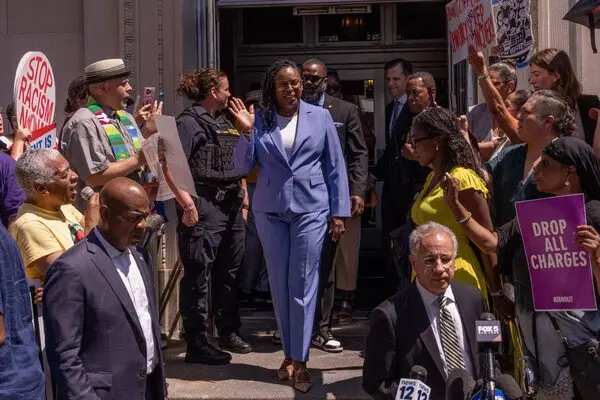

A federal judge has declined to dismiss one of the remaining charges in the case involving U.S. Rep. LaMonica McIver, a decision that keeps a key count of the indictment moving forward and sharpens a national debate over the boundaries of congressional oversight.
The ruling, which addressed a motion targeting Count Two of the indictment, concluded that legislative immunity does not shield the conduct at issue, even though the matter stems from McIver’s oversight visit to an Immigration and Customs Enforcement detention facility in her district last spring. The case has drawn widespread attention across the region’s Law & Order landscape, placing New Jersey at the center of a broader constitutional argument about how far lawmakers may go when inspecting federal facilities.
McIver has maintained that her actions were squarely within the responsibilities of her office. The May 2025 visit to Delaney Hall, an ICE detention center serving her district, was part of a routine inspection aimed at ensuring detainees are treated lawfully and that conditions meet federal standards. Oversight visits of this kind are common across the country, particularly as immigration detention practices have faced increased scrutiny.
In a statement following the court’s decision, McIver expressed disappointment and framed the ruling as a potential threat to congressional accountability. She emphasized that oversight cannot be conducted remotely and that physically entering facilities is essential for verifying conditions, interviewing staff, and ensuring compliance with civil rights obligations. According to McIver, visits like hers are designed to prevent abuse, uncover violations, and provide transparency for communities that often lack visibility into detention operations.
The case gained renewed attention last month when McIver returned to Delaney Hall for another inspection after the death of a detainee. That visit marked her first return to the facility since charges were filed over her earlier oversight activity. Her reappearance underscored her insistence that congressional monitoring of detention centers remains a core duty of elected officials, even as the legal proceedings continue.
Legal analysts note that the judge’s decision to allow one count to stand does not resolve the broader constitutional questions surrounding the case. Instead, it sets the stage for continued litigation over how legislative immunity applies when lawmakers engage directly with executive agencies. For New Jersey residents and national observers alike, the case is shaping into a pivotal test of oversight authority, government transparency, and the balance of power between Congress and the executive branch.
As proceedings advance, McIver has indicated she will continue to challenge the charges while maintaining her stance that on-site inspections are indispensable to protecting vulnerable populations and ensuring accountability within federal detention systems.



