



From Hudson River rail tunnels to boardwalk reconstruction and billion-dollar studio campuses, New Jersey’s construction landscape remains one of the most ambitious in the nation
NEW JERSEY — While an intense Arctic outbreak has slowed some outdoor work and forced short-term suspensions at scattered job sites, New Jersey remains in the middle of one of the most aggressive construction and infrastructure expansion cycles in its modern history.
As of late January 2026, billions of dollars in transportation upgrades, flood-protection systems, highway widenings, and commercial developments are actively reshaping communities across the state. Even as crews battle frozen ground, wind chills near zero, and shortened work windows, most projects continue to advance under winter operations plans and accelerated schedules.
For residents tracking statewide infrastructure and development activity, the latest project updates are now centralized through Sunset Daily’s dedicated New Jersey construction coverage.
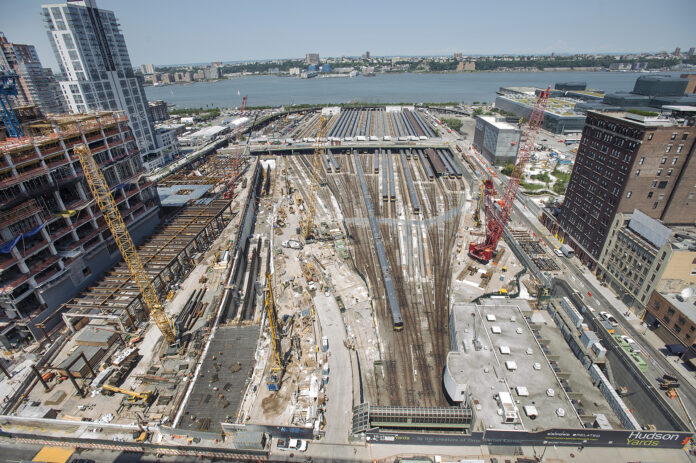
At the center of the state’s transportation agenda is the long-awaited Hudson River rail tunnel project, one of the largest infrastructure investments in the United States. The $16 billion Gateway Program tunnel, designed to create new passenger rail capacity between New Jersey and New York, is facing immediate uncertainty following a federal funding freeze. Project partners have been advised that available funding is expected to run out by February 6, raising the possibility of an abrupt construction halt.
The pause would directly affect multiple active work zones on both sides of the Hudson and could place thousands of skilled trade and engineering jobs at risk. Transportation officials have warned that even a temporary suspension could lead to costly remobilization delays and longer-term schedule impacts for a project already viewed as critical to the entire Northeast rail corridor.
Just west of the tunnel alignment, work continues on one of the most complex rail bridge replacements ever undertaken in the region.
The Portal North Bridge project over the Hackensack River is now roughly halfway complete. The first of the new tracks is currently scheduled to enter service in March 2026. Crews are preparing for major cutover operations in February, which will involve shifting rail traffic onto newly constructed infrastructure. These operations are expected to cause short-term but significant service disruptions for both NJ Transit and Amtrak riders, particularly during overnight and weekend windows.
Once completed, the new bridge will eliminate one of the most notorious bottlenecks in the national passenger rail system and dramatically improve reliability for commuters traveling between North Jersey and Manhattan.
Another major structural transformation is preparing to break ground in the coming months along the New Jersey Turnpike corridor.
Construction is scheduled to begin this year on twin cable-stayed bridges to replace the aging Vincent R. Casciano Newark Bay Bridge. The replacement is part of a broader multi-year capital investment plan that also includes widening several major interchanges and upgrading approaches on both sides of the bay. The new structures are designed to improve seismic resilience, increase navigational clearance, and significantly reduce long-term maintenance demands compared to the existing spans.
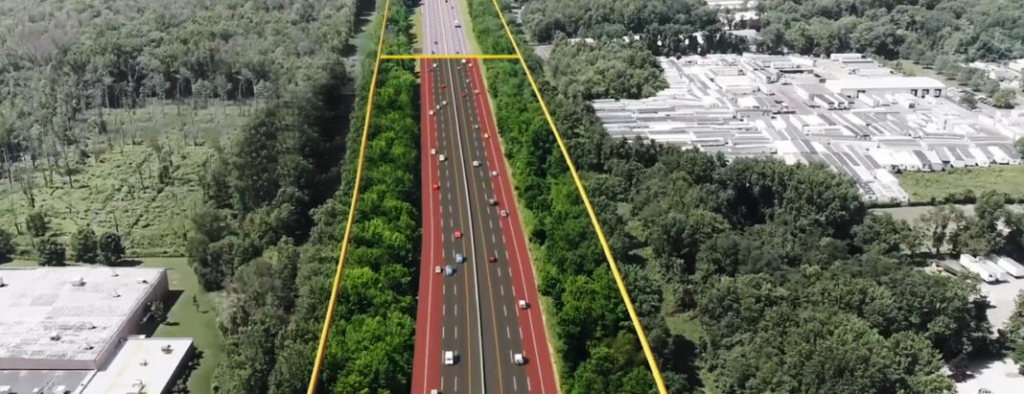
At the same time, the New Jersey Turnpike Authority continues to advance its massive widening program between Interchanges 1 and 4. The project spans approximately 36 miles from Mount Laurel to Pennsville and represents one of the largest highway expansion efforts ever undertaken in South Jersey. Construction is currently active along multiple segments, with lane realignments, drainage systems, and foundation work continuing through the winter wherever weather conditions allow.
Local transportation and utility upgrades are also moving forward, despite the deep freeze.
In the Cherry Hill area, the long-term reconstruction of Route 70 continues across an 8.8-mile corridor. Crews are completing major drainage improvements and water-main replacements, work that transportation officials say is essential to reducing long-standing flooding and pavement failure issues. Much of the underground utility and stormwater infrastructure is scheduled to wrap up during the late winter and early spring construction window, paving the way for future roadway and streetscape phases.
Along the Hoboken waterfront, two major resilience and flood-protection projects remain highly visible and disruptive to local traffic patterns. The Sinatra Drive seawall rehabilitation and the federally backed “Rebuild by Design” floodwall system are both under active construction. Portions of Marin Boulevard and 15th Street continue to experience extended closures, with crews working around the clock on structural reinforcement, utility relocation, and flood barrier installation. City officials say the work is essential to protecting low-lying neighborhoods that were heavily impacted during past coastal storms.
Not all projects have been able to maintain their full schedules this week.
In Somerset County, nighttime utility construction associated with PSE&G gas line upgrades in parts of Somerville has been temporarily suspended due to the record-breaking cold and safety concerns related to frozen excavation zones and worker exposure. Utility managers expect work to resume once overnight temperatures moderate enough to allow safe trenching and pipe installation.
Down the shore, winter construction is in full swing along the Wildwoods Boardwalk.
Significant reconstruction is underway on several blocks between 24th and 26th Avenues, where aging decking, support structures, and drainage systems are being replaced. Officials anticipate completion by April 2026, ahead of the summer tourism season. The upgrades are designed to improve pedestrian safety, accessibility, and long-term durability while preserving the boardwalk’s historic character.
New Jersey’s rapid growth as a national film and television production hub is also accelerating through major campus construction.
At Fort Monmouth, heavy construction continues on the $1 billion Netflix production complex, one of the largest purpose-built studio facilities in the Northeast. The redevelopment includes multiple sound stages, post-production facilities, offices, and supporting infrastructure across the former military base.
In Newark, crews remain active on the new Lionsgate studio development, further reinforcing the city’s position as a growing center for large-scale media production. State economic officials view both projects as long-term job generators, expected to support thousands of positions ranging from construction and facilities operations to creative and technical production roles.
Together, these transportation, resilience, and commercial developments form the backbone of New Jersey’s 2026 infrastructure strategy.
Despite the Arctic blast forcing limited short-term pauses at certain sites, most major projects remain on schedule thanks to winterized construction planning, heated enclosures, and phased sequencing that allows crews to shift between above-ground and underground work as conditions change.
With rail bottlenecks finally being dismantled, aging bridges entering long-overdue replacement cycles, coastal defenses rising along vulnerable shorelines, and billion-dollar private investments reshaping former industrial and military properties, New Jersey’s construction boom is no longer defined by isolated projects.
It is a statewide transformation — unfolding in real time and positioning the Garden State for a dramatically more resilient, connected, and economically competitive future.



