


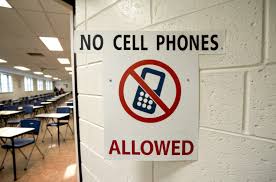

New Jersey is poised to enter a new era of classroom management as Governor Phil Murphy prepares to approve legislation that will restrict student cellphone use throughout the entire school day. The measure, commonly referred to as a “bell-to-bell” policy, would require public school districts to limit personal device access from the opening bell through dismissal, creating a consistent statewide standard aimed at reducing distractions and supporting student well-being.
State education leaders have increasingly pointed to mobile phones as a growing obstacle to effective instruction. Teachers report that constant notifications, messaging, and social media access have reshaped classroom dynamics, often diverting attention away from lessons and increasing disciplinary issues. The new policy is designed to restore focus, encourage peer interaction, and create learning environments that are less fragmented by digital interruptions.
Beyond academic performance, the legislation places a strong emphasis on student mental health. Research and school-based assessments have shown rising levels of anxiety, stress, and social pressure associated with continuous online engagement during school hours. By limiting access to personal devices, education officials believe students will experience fewer social comparison pressures and reduced exposure to cyberbullying while on campus.
Under the proposed framework, school districts would retain flexibility in how the policy is implemented. This includes determining whether phones are collected at the start of the day, secured in lockers, stored in locking pouches, or managed through other supervised systems. Exceptions would be provided for medical needs, students with documented learning accommodations, and emergency communication requirements.
Parents and administrators have expressed a mix of anticipation and cautious optimism. Many families support the change as a way to reinforce boundaries that are difficult to maintain at home, while school leaders are evaluating logistics, storage solutions, and enforcement protocols to ensure a smooth transition.
The measure also reflects a broader national conversation around technology use in education, as states and school systems across the country reassess the role of personal devices in learning environments. New Jersey’s statewide approach places it among a growing group of jurisdictions moving toward more structured digital policies within public schools.
As the bill moves toward final approval, districts are expected to issue guidance to families outlining compliance timelines, storage expectations, and disciplinary standards. The coming months will likely focus on training staff, preparing students, and communicating policy details ahead of full implementation.
Readers seeking broader context on education policy, legislative developments, and government initiatives shaping the Garden State can follow ongoing coverage in Sunset Daily’s Politics section, where statewide policy decisions and regulatory updates are continuously tracked.
With the governor’s anticipated approval, New Jersey’s public schools are preparing for a significant shift that could redefine daily classroom culture, refocus learning environments, and reshape how students engage with technology during the school day.