


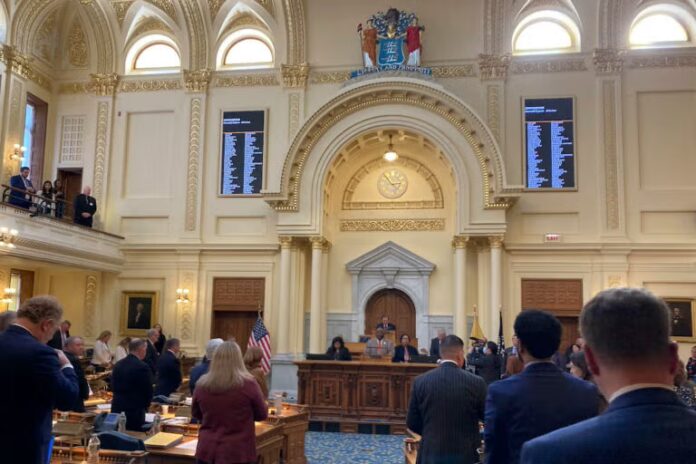

New Jersey lawmakers are now earning substantially higher annual salaries following the implementation of a sweeping pay adjustment that takes effect today, raising compensation for the state’s 120 part-time legislators by 67 percent. The increase moves annual legislative pay from $49,000 to $82,000, marking one of the most significant compensation changes in the history of the State House.
The new salary level reflects years of debate over whether New Jersey’s legislature can realistically function as a part-time body in an era of increasingly complex policy demands. Supporters of the increase argue that the responsibilities of modern lawmakers extend far beyond formal voting sessions, encompassing constant constituent service, committee work, policy research, and participation in statewide initiatives that rival the workload of full-time public servants.
With New Jersey ranking among the most densely populated and economically diverse states in the nation, legislators are often tasked with addressing a broad spectrum of issues ranging from housing affordability and transportation infrastructure to education funding and public safety. Advocates of the higher pay structure maintain that the adjustment better aligns compensation with the scope and intensity of those duties while helping attract and retain experienced professionals who might otherwise be deterred by the financial sacrifice of public office.
Critics, however, have raised concerns about the timing of the increase and its potential impact on public trust. Some residents have questioned whether the adjustment places additional strain on state finances or sets a precedent for future compensation hikes. The debate has also fueled broader discussions about fiscal responsibility, transparency, and how government resources should be prioritized in the face of competing budgetary pressures.
The change in pay is expected to influence the political landscape in subtle but meaningful ways. Higher compensation may open the door for a more diverse range of candidates to consider legislative service, particularly those from working- and middle-income backgrounds who previously could not afford to step away from private-sector careers. At the same time, it may intensify public scrutiny of legislative performance and accountability as compensation becomes more closely associated with professional-level expectations.
Economic analysts note that changes in legislative compensation can also have ripple effects on related sectors, including legal services, consulting, and policy advocacy, as shifts in governance structures often alter how organizations engage with state leadership. Continued reporting on how these changes intersect with New Jersey’s economic and regulatory environment can be found in the Sunset Daily News Business section, where developments affecting the state’s commercial and political climate are closely followed.
As the new salary structure takes hold, New Jersey enters a new chapter in how it defines the role and expectations of its citizen legislature, setting a benchmark that will likely shape political discourse and public policy conversations for years to come.