


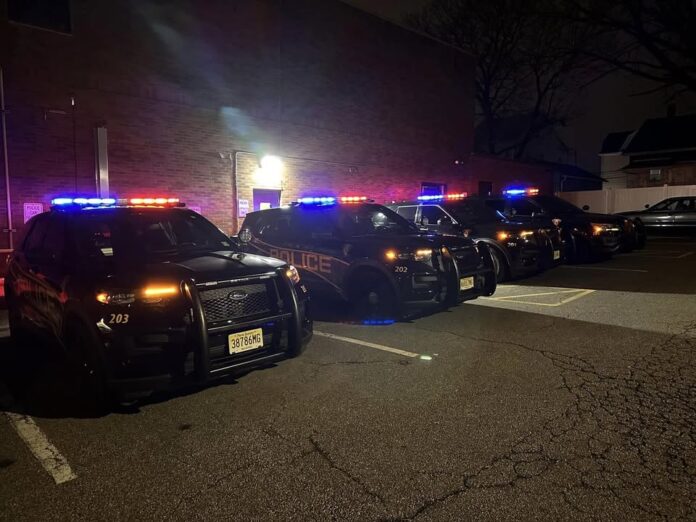

A civil lawsuit has been filed on behalf of Prospect Park Police Captain Walter R. Richmond III by the law firm LaBarbiera, Martinez, Griffin & Sullivan, marking a significant legal step in a case involving severe injuries sustained while the veteran officer was performing his duties.
According to the filing, the legal action seeks compensation and accountability related to injuries that have had a lasting impact on Captain Richmond’s health, professional responsibilities and quality of life. The complaint outlines allegations that negligence and unsafe conditions contributed to the incident, prompting the firm to pursue damages tied to medical care, lost income, long-term rehabilitation and future limitations caused by the injuries.
Captain Richmond, who has served the Prospect Park Police Department for years and holds a leadership role within the department, was seriously hurt during an on-duty incident that, according to his legal team, should have been prevented through proper safety measures and responsible conduct by the parties named in the lawsuit. The firm said the civil action is intended to ensure that those responsible are held legally accountable and that the financial and personal burden does not fall solely on the injured officer and his family.
Attorneys representing Richmond emphasized that the case centers on far more than a single event. The filing highlights the broader issue of workplace safety for law enforcement professionals who routinely operate in unpredictable and high-risk environments, often relying on the actions and decisions of outside entities, contractors, or third parties to maintain safe conditions.
The lawsuit details the physical and emotional toll associated with the injuries, including extensive medical treatment, rehabilitation services and ongoing limitations that have affected both professional and personal aspects of Captain Richmond’s life. Legal filings indicate that future medical needs and long-term care requirements are also expected to be significant factors in the case.
LaBarbiera, Martinez, Griffin & Sullivan, which represents clients in complex injury and liability matters across New Jersey, said the case reflects its continued focus on advocating for first responders and public safety professionals who suffer life-altering injuries in the line of duty. The firm noted that officers often face heightened exposure to risk and deserve legal protections when those risks are amplified by negligence or unsafe operational practices.
The civil action comes at a time when police departments across New Jersey are confronting increasing concerns over officer safety, training standards and liability exposure involving third-party interactions and operational environments. Legal experts say civil litigation remains one of the primary avenues through which injured officers can pursue financial recovery and institutional accountability outside of workers’ compensation systems.
While criminal investigations and internal reviews may determine whether departmental or procedural violations occurred, civil cases focus on responsibility, damages and whether reasonable steps were taken to prevent foreseeable harm. In this case, attorneys for Captain Richmond argue that those standards were not met.
The lawsuit also underscores the broader legal landscape surrounding public safety and municipal liability, an area of growing focus within New Jersey’s courts as communities, agencies and private entities increasingly intersect during emergency response, public events and routine operations.
Readers following developments involving public safety litigation, police accountability and court proceedings across the state can find ongoing coverage through Sunset Daily News’ dedicated law and public safety reporting section.
Representatives for the firm said they will continue to pursue the matter aggressively as the case moves through the court system, with the goal of securing financial relief for Captain Richmond and reinforcing legal standards designed to protect law enforcement professionals from preventable harm.