


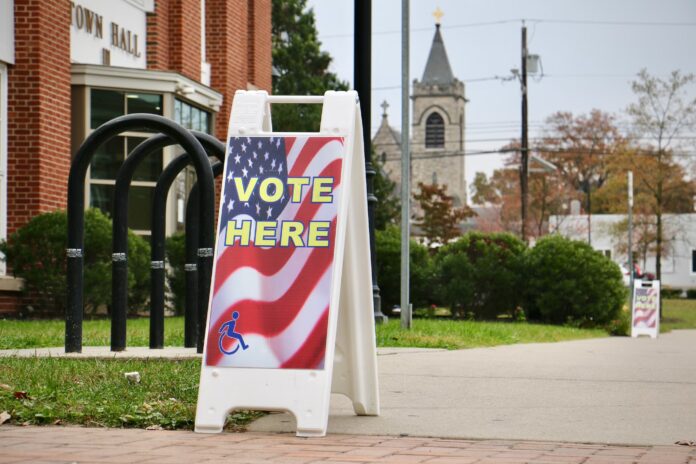

In a significant shift in the state’s election laws, New Jersey has expanded voting eligibility to include 17-year-olds who will be 18 by the time of the general election. The change, designed to boost youth engagement and create a smoother transition into full civic participation, is already drawing attention across the state’s political and community circles.
Under the revised statute, first-time voters who are 17 at the time of a primary but will reach voting age by the general election are now permitted to cast ballots in primary contests. This adjustment aims to give young people a voice earlier in the electoral process, allowing them to have a direct say in who represents their interests before the broader electorate weighs in.
Supporters of the law argue that the primary elections often determine key party nominees, making them critically important in shaping the choices voters will face in November. By opening primaries to this younger cohort, advocates say the state is encouraging civic responsibility long before voters traditionally enter the political landscape.
“This change recognizes that these young voters are directly impacted by the outcome of elections and should have a voice in selecting the candidates they might ultimately vote for in the general election,” said one community organizer focusing on youth civic involvement. “It creates early engagement that ideally carries forward through their adult lives.”
Critics, however, have raised questions about whether adolescents at 17 have the necessary life experience and policy understanding to make informed decisions in primaries. Some political analysts also wonder how this shift might influence campaign strategies, particularly in closely contested races where the margin of victory can be slim.
The law mirrors similar moves in other states that have experimented with expanding youth voting rights in primaries. Observers point out that including soon-to-be adults could have measurable impacts on turnout figures, especially in local and state contests where younger voters might be more motivated to support candidates who champion issues important to them, such as education, climate change, and job opportunities.
Election officials are now preparing to implement changes to registration systems, outreach programs, and voter education initiatives to ensure that eligible 17-year-olds are informed and ready to participate. High school civics programs, too, are expected to play a role in helping students understand the process, deadlines, and significance of primary elections.
Political campaigns and party organizations are already taking note of the expanded electorate. Several campaigns have begun tailoring messaging to capture the attention of newly eligible young voters, recognizing that early engagement can translate into long-term support.
While this change is limited to primary elections, many advocates see it as a step toward deeper youth involvement in the democratic process. By bridging the gap between high school civics lessons and active participation at the ballot box, New Jersey’s revised voting rules aim to cultivate a generation of informed, committed voters.
As the state prepares for its next primary cycle, election officials and civic groups are ramping up efforts to reach this new group of voters with information about registration, candidates, and key dates. The goal is clear: ensure that every eligible voice, including those of soon-to-be adults, is heard and counted.
For ongoing discussion and analysis on how this change may influence New Jersey’s political climate, especially in the realm of politics, visit Sunset Daily’s dedicated coverage, where expert insights and local perspectives are continually updated.