


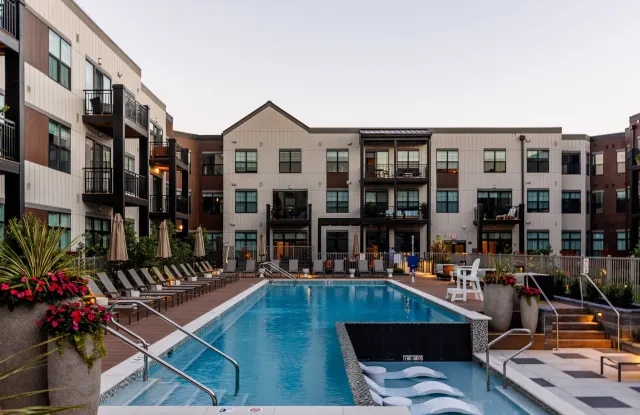

Renting in Northern New Jersey may be becoming slightly less of a challenge, according to recent market data, though competition remains stiff compared with much of the country. The region, long recognized for high demand and limited availability, has seen a modest cooling as new inventory comes online, offering some relief to prospective renters.
A recent study analyzing large-scale, market-rate apartment complexes across the nation indicates that Northern New Jersey has moved down in national competitiveness rankings. Last year, the area ranked sixth for the most competitive rental markets in the country; this year, it fell to 19th. While the change signals some easing, Northern New Jersey still ranks among the top 20 tightest rental markets nationwide.
Researchers behind the study examined apartment data from properties with 50 or more units, excluding fully affordable housing. Rankings were based on several key metrics, including apartment occupancy rates, average time a unit remains vacant, the number of prospective renters per vacant unit, lease renewal rates, and the proportion of new apartments entering the market.
One factor contributing to the shift is a slight uptick in rental supply. Apartment availability rose by roughly 0.66% compared with last summer, and the average listing now sits on the market for 40 days—three days longer than in 2024. This increase in inventory, including new developments in Jersey City and surrounding communities, has provided renters with more options, easing the intense competition seen in previous years.
Despite this softening, many tenants continue to renew leases. About 71% of renters in Northern New Jersey chose to stay in place this year, maintaining a steady trend from 2024. Occupancy remains high at 95.3%, and the average ratio of prospective renters to available units has decreased slightly from 13 to 11. These figures indicate that while the market has eased, demand still outpaces supply in many communities.
Central New Jersey also shows signs of stable rental activity, with nearly 80% of tenants renewing leases and an occupancy rate of 95.6%, slightly higher than the northern region. The area demonstrates that, outside of high-density northern counties, renters may encounter slightly less competition for available units.
For comparison, New York City continues to rank among the most competitive rental markets in the tri-state area, with Manhattan at fourth and Brooklyn at seventh nationally. Meanwhile, surrounding regions like Bridgeport–New Haven in Connecticut and Queens, New York, reflect varying degrees of competition but generally remain highly sought-after.
Industry experts note that this modest cooling in Northern New Jersey may provide a small window of opportunity for renters who have been navigating the region’s historically tight market. With new construction projects and incremental increases in available units, the local rental landscape is gradually adjusting to better meet demand.
Those interested in tracking further trends in New Jersey’s real estate and rental markets can find more detailed coverage and analysis in Sunset Daily’s real estate section.



