


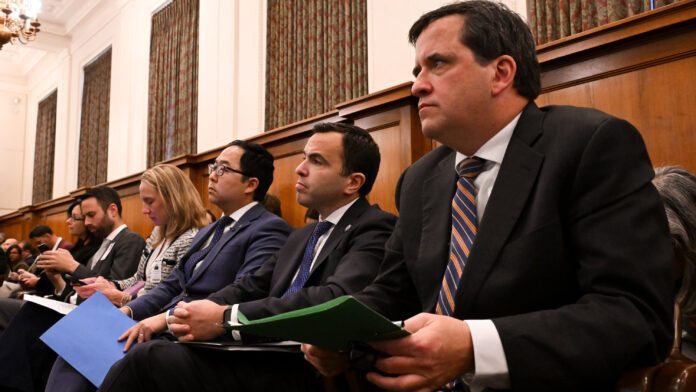

New Jersey lawmakers are reviewing a proposal that could significantly reshape the way ethical violations and non-criminal misconduct are monitored across state government. A state-appointed commission has recommended the formation of a specialized Inspector General’s office designed to focus on fraud, conflicts of interest, and ethical breaches that fall outside the scope of traditional criminal prosecution.
The recommended office would operate under the authority of the state attorney general while maintaining a distinct investigative mandate. Its primary function would be to identify, review, and respond to patterns of misconduct that may not rise to the level of criminal charges but still undermine public trust, waste taxpayer dollars, or violate established ethical standards.
Supporters of the proposal argue that New Jersey’s current oversight structure leaves important gaps. While criminal behavior is investigated through existing law enforcement channels, non-criminal abuses—such as misuse of public resources, improper contracting practices, and ethics violations—often require a different level of scrutiny and a more specialized compliance framework. The proposed office would bring consistency, transparency, and enforcement authority to areas that are currently dispersed across multiple agencies.
The commission’s recommendation envisions a centralized oversight entity with the power to conduct independent audits, initiate investigations, issue compliance findings, and recommend corrective actions. This structure would allow state agencies and public authorities to be held to uniform accountability standards, reducing the risk of internal conflicts of interest and delayed enforcement.
Policy analysts note that similar oversight models in other states have helped improve internal compliance, streamline investigative procedures, and reduce the financial and reputational costs associated with unchecked administrative misconduct. For New Jersey, the proposal represents an opportunity to modernize its government integrity framework and reinforce public confidence in the state’s operations.
If implemented, the Inspector General’s office would also provide an additional reporting channel for whistleblowers, allowing public employees and contractors to raise concerns without fear of retaliation. This feature is viewed as a critical tool for early detection of systemic issues before they escalate into larger fiscal or governance failures.
The proposal is now moving through legislative discussions, where lawmakers will evaluate funding structures, jurisdictional authority, and operational safeguards to ensure independence and due process. Debate is expected to focus on how the office would integrate with existing agencies and how its findings would be enforced.
Developments related to public accountability, government oversight, and legal compliance across the state can be followed in Sunset Daily’s Law & Order coverage, which tracks regulatory changes, enforcement initiatives, and major policy decisions impacting New Jersey communities.
As discussions continue, the proposed Inspector General’s office stands as a potential milestone in strengthening ethical governance, enhancing transparency, and protecting taxpayer interests throughout the Garden State.