


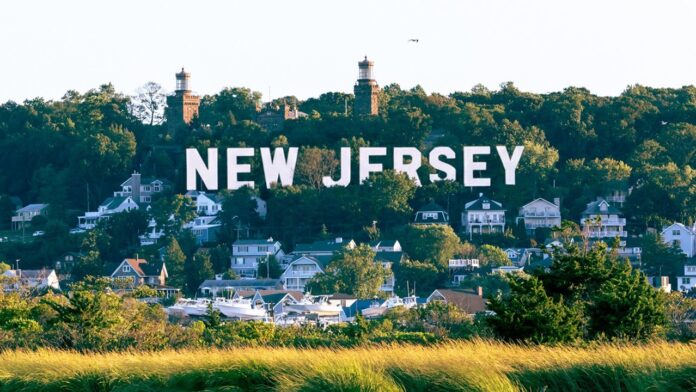

New Jersey’s real estate and construction sectors are entering one of the most capital-intensive cycles in state history, fueled by a projected $58.4 billion in investment across 2026–2027. From towering high-rises in Jersey City to waterfront luxury condominiums along the Gold Coast, from billion-dollar mixed-use redevelopments to infrastructure modernization and PFAS water treatment plants, the Garden State is not merely building — it is reshaping its economic and residential identity.
At the center of this transformation lies a recalibrated housing market, a surge in transit-oriented development, and large-scale infrastructure spending that collectively signal structural momentum rather than speculative excess.
For readers following development, infrastructure, and quality-of-life policy through The Humane State coverage at Explore New Jersey, this is a defining moment for how growth intersects with livability.
$58.4 Billion in Capital Investment: A Historic Build Cycle
The projected $58.4 billion in capital investment for 2026–2027 reflects synchronized expansion across residential, industrial, retail, and public works sectors. Roughly $29.6 billion is being deployed in 2026 alone for utilities, transit, highways, and environmental infrastructure.
Of that:
• $17.7 billion is dedicated to water, sewer, gas, and electric upgrades
• $2.2 billion is managed by the New Jersey Turnpike Authority for improvements including the Newark Bay Bridge and Garden State Parkway
• $98 million in Ridgewood is allocated to bring seven PFAS water treatment plants online
This scale of investment indicates systemic modernization rather than incremental growth.
North Jersey and Transit Corridors Dominate Development
Development intensity is heavily concentrated in North Jersey and along transit corridors, shaped in part by affordable housing mandates under A4 legislation. Builders are responding by targeting urban centers with rail, ferry, and highway access.
Jersey City’s High-Rise Momentum
Jersey City remains the epicenter of vertical expansion.
• Harborside 4 broke ground on January 23, 2026 — a 50-story residential tower featuring 800 units and a public plaza
• 165 Newark Avenue secured $35.4 million in financing, reviving a long-stalled 51-unit mixed-use project
• A 490-unit high-rise on Giles Avenue in the Marion section was approved, incorporating retail and affordable housing components
Meanwhile, Newark’s ambitious “Halo” three-tower complex faces renewed uncertainty following a $92 million lawsuit from lenders, underscoring the financial complexity of mega-scale urban redevelopment.
Bergen County’s Billion-Dollar Pipeline
In Edgewater, work continues on a transformative $1 billion mixed-use redevelopment at 615 River Road — the former Hess site — which will ultimately deliver 1,200 residential units and a new ferry terminal, strengthening Hudson River commuter connectivity.
In Saddle River, a 275-unit AvalonBay complex and a 54-unit townhouse development on the former Rosie O’Donnell estate are among projects awaiting 2026 starts, reflecting suburban densification trends.
Industrial and Transit-Oriented Projects Expand
Transit-oriented development remains a defining strategy.
In Denville, the 60-unit Station Village rental community opened adjacent to the NJ Transit rail line, reinforcing the demand for rail-accessible living.
In Hamilton, a 36-acre speculative industrial development recently broke ground, capitalizing on logistics demand tied to New Jersey’s strategic port and highway network.
The Recalibrated Housing Market of Early 2026
Unlike the frenzied pandemic-era buying cycle, 2026’s housing market is described by experts as “matured” and “recalibrated.”
Key data points:
• Median New Jersey sale price: $554,000 (up 3.0% year-over-year as of January 2026)
• Inventory improved slightly (up 4.1%), though entry-level homes remain tight
• Fastest-growing sales price markets include Bayonne (+28.3%), Sewell (+28.1%), and Atlantic City (+27.6%)
Today’s buyers are more analytical. Inspection scrutiny has increased. Energy efficiency is under greater evaluation. Appraisal discipline has returned.
This recalibration suggests stability — not contraction — with long-term fundamentals driving price growth.
Vista Pointe at Port Imperial: Gold Coast Luxury Reaches New Heights
Against this backdrop of large-scale investment, luxury development along the Hudson River remains a defining narrative.
Nestled within Port Imperial in West New York, Vista Pointe represents one of the last remaining waterfront parcels on New Jersey’s Gold Coast. Developed as a joint venture between Toll Brothers and Daiwa House, the project delivers 73 open-concept residences with panoramic Manhattan skyline views.
Positioned along the Hudson River waterfront esplanade, which stretches more than 18 miles, Vista Pointe offers a rare ownership opportunity in a corridor historically dominated by rental high-rises.
Luxury Residences Designed for Light and Views
Homes range from one- to four-bedroom floorplans, each designed to maximize natural light and riverfront sightlines.
Interior features include:
• Hardwood flooring and neutral contemporary palettes
• Oversized windows framing Manhattan and river views
• Quartz countertops and custom cabinetry
• Paneled Bosch and Thermador appliances
• Open living and dining spaces anchored by large kitchen islands
Primary suites emphasize skyline views, while flexible secondary bedrooms accommodate home offices or guest accommodations.
Each residence includes one onsite garage parking space with EV-enabled infrastructure, reflecting the continued adoption of electric vehicle readiness in new construction.
Amenity-Rich Waterfront Living
Vista Pointe’s lifestyle positioning extends beyond interior design.
Amenities include:
• Rooftop terrace with grills, lounges, and outdoor television
• Resort-style pool deck with skyline views
• Fitness center, sauna, and steam rooms
• Library, makerspace, and demonstration kitchen
• Game room, screening room, and children’s playroom
• Co-working lounges for hybrid professionals
Proximity to the Port Imperial Ferry ensures streamlined Manhattan commuting, while garage parking and optional additional spaces maintain suburban convenience.
Sales are underway starting in the low $1 million range — pricing that reflects the scarcity of remaining waterfront parcels along the Gold Coast.
Retail and Recreation Redevelopment
Large-scale redevelopment extends beyond housing.
Westfield Garden State Plaza is preparing for a major retail and residential redevelopment groundbreaking in early 2026, reinforcing the shift toward mixed-use experiential retail.
In Parsippany, four office buildings were demolished to make way for North Jersey’s first TopGolf location — a signal of how entertainment-driven redevelopment is replacing traditional office space amid changing workplace dynamics.
Infrastructure Modernization: The Foundation Beneath Growth
Real estate growth is sustainable only when infrastructure keeps pace.
New Jersey’s investment in:
• Water treatment
• Sewer modernization
• Electric grid resilience
• Bridge and highway rehabilitation
creates the operational backbone necessary for vertical density and suburban expansion alike.
The $98 million Ridgewood PFAS treatment initiative highlights the environmental component of development — ensuring clean drinking water while accommodating population growth.
A State in Strategic Expansion
New Jersey’s development narrative in 2026–2027 is not defined by speculative bubbles. It is characterized by strategic densification, transit integration, waterfront luxury positioning, and public infrastructure alignment.
From Jersey City’s 50-story towers to West New York’s waterfront condominiums, from Edgewater’s billion-dollar redevelopment to suburban transit villages, the Garden State is balancing growth with modernization.
The $58.4 billion pipeline signals confidence — from developers, lenders, municipalities, and infrastructure authorities.
For investors, homeowners, policymakers, and residents alike, the message is clear: New Jersey’s real estate ecosystem has matured into a disciplined, infrastructure-supported growth cycle.
As residential demand recalibrates, transit-oriented living expands, and luxury waterfront inventory tightens, 2026 marks not just another building year — but a transformative chapter in the Garden State’s economic and architectural evolution.



