



New Jersey moved decisively in 2025 to reinforce its environmental and public health protections after a series of federal policy reversals disrupted clean energy initiatives and weakened pollution oversight nationwide. State leaders responded by accelerating independent regulations aimed at preserving water quality, protecting residents from toxic exposure, and keeping long-term climate goals on track.
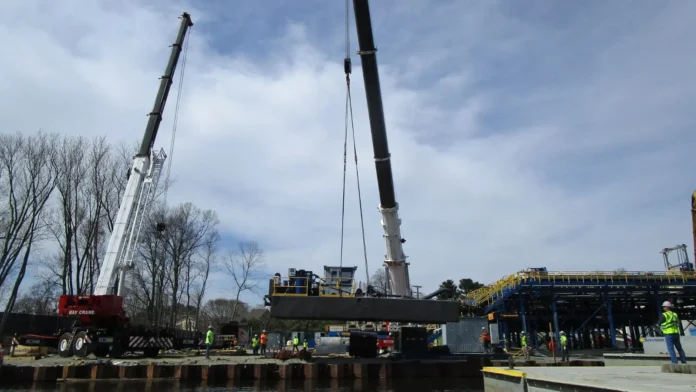
One of the most significant impacts was felt in the offshore wind sector. Federal actions halted construction and leasing tied to major offshore wind developments planned off the New Jersey coastline. The uncertainty surrounding these projects led the New Jersey Board of Public Utilities to pause additional wind energy solicitations, creating new challenges for the state’s commitment to achieving a fully clean energy supply by 2035. The disruption not only slowed renewable energy expansion but also raised concerns about future job creation and energy affordability.
Solar development was also affected when a major federal solar funding initiative was permanently canceled in mid-2025. New Jersey lost more than $150 million that had been designated to expand solar installations in low-income communities, leaving many neighborhoods without expected access to clean, affordable energy solutions.
Public health advocates have raised alarms over changes to federal chemical reporting standards that could sharply reduce transparency around toxic substances. New Jersey took a leadership role by organizing a multi-state effort to oppose the rollback of reporting requirements related to PFAS, commonly referred to as “forever chemicals.” These substances have been linked to long-term health risks, and state officials argue that reduced reporting would limit the public’s ability to track potential exposure.
Air quality protections also became a growing concern as federal pollution standards were loosened for substances such as mercury, lead, and arsenic. Environmental experts warn that dozens of industrial sites throughout New Jersey could be allowed to release higher levels of hazardous pollutants under the revised rules, prompting state regulators to evaluate stronger safeguards to prevent elevated health risks in surrounding communities.
In response, New Jersey advanced a series of independent environmental initiatives throughout 2025. The Department of Environmental Protection finalized new Resilient Environments and Landscapes regulations that require new construction in flood-prone areas to be elevated well above existing federal flood benchmarks, accounting for future sea-level rise and intensifying storm activity.
Lawmakers also pushed forward legislation designed to hold major fossil fuel companies financially responsible for climate-related damage across the state. The proposed Climate Superfund framework aims to secure funding for infrastructure repairs, shoreline protection, and resilience projects that would otherwise place a heavy burden on taxpayers.
Additional protections were introduced through strengthened groundwater quality standards that lowered allowable chemical thresholds and increased cleanup obligations at contaminated sites. These changes are intended to safeguard drinking water sources and reduce long-term exposure to harmful compounds.
In December 2025, state officials unveiled a comprehensive climate action framework outlining aggressive emission reduction targets through 2050, reinforcing New Jersey’s role as a national leader in climate policy despite shifting federal priorities.
Ongoing coverage of environmental legislation, climate policy, and regulatory developments impacting residents can be found in Explore New Jersey’s politics section, which tracks how policy decisions continue to shape the state’s future.



