


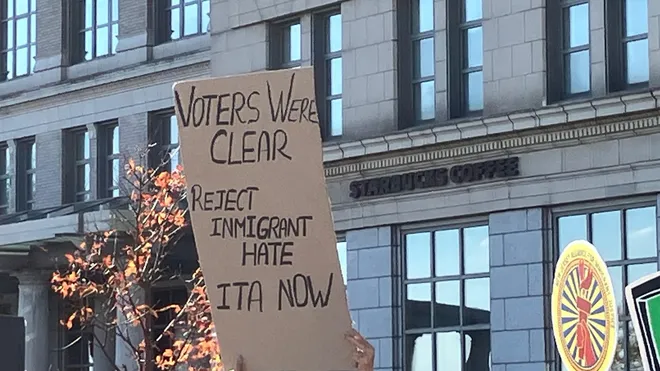

The New Jersey State Legislature is poised to take up a consequential package of measures today that could significantly reshape how undocumented residents are treated across the Garden State, marking one of the most ambitious state-level immigration efforts in recent years.
At the center of the legislative agenda is a series of bills designed to fortify privacy protections, limit cooperation with federal immigration authorities, and formalize safeguards that would make it more difficult for federal agents to identify, locate, and detain undocumented individuals who are living, working, and raising families in New Jersey. Lawmakers backing the proposals describe them as a necessary evolution of the state’s long-standing commitment to being a more welcoming and protective environment for immigrant communities.
Supporters argue that the legislation reflects the reality of modern New Jersey. More than two million immigrants call the state home, and hundreds of thousands of them are undocumented. They are embedded in virtually every sector of the economy, from construction and agriculture to health care, hospitality, and home services. Advocates contend that policies which reduce fear of deportation encourage residents to report crimes, seek medical care, and participate in their children’s education, ultimately strengthening public safety and community stability.
If adopted, the measures would further restrict when and how state and local agencies can share personal data with federal immigration authorities. This includes limits on access to state databases, tighter rules governing detainer requests, and clearer standards on what information can be disclosed without a judicial warrant. Lawmakers say these steps are meant to prevent informal data-sharing arrangements from becoming pipelines for deportation.
The proposals also expand procedural rights for individuals who come into contact with law enforcement, including stronger notice requirements, clearer access to legal counsel, and reinforced protections for people appearing in state courts. Collectively, the package aims to reduce the likelihood that routine encounters with state agencies become the starting point for federal removal proceedings.
Opposition has centered on concerns about public safety, intergovernmental cooperation, and whether the state risks conflict with federal authorities. Critics argue that restricting information-sharing could complicate criminal investigations and strain relationships with federal agencies. Backers counter that the bills are narrowly tailored, preserving cooperation in serious criminal matters while preventing unnecessary entanglement in civil immigration enforcement.
The vote comes amid a broader national debate over immigration enforcement, asylum backlogs, and the role states should play in protecting immigrant populations. New Jersey has already positioned itself as a leader in this space through prior sanctuary-style policies, and today’s action could further solidify that reputation.
Policy experts note that the legislation could have ripple effects beyond state lines. Other states have historically looked to New Jersey as a model when crafting their own immigrant protection frameworks. Should the measures pass, they may influence similar proposals across the Northeast and beyond.
For residents, employers, and community organizations, the outcome could reshape daily life. Expanded protections may increase willingness among undocumented residents to engage with schools, hospitals, and law enforcement, while businesses could benefit from a more stable workforce less disrupted by sudden detentions and deportations.
Additional context on legislative activity and policy initiatives can be found in Sunset Daily’s ongoing coverage of state [legislation], which tracks the evolving legal landscape shaping communities across New Jersey.
As lawmakers gather in Trenton, today’s vote represents more than a procedural step. It stands as a defining moment in the state’s continuing effort to balance federal immigration authority with local priorities, community stability, and the lived realities of hundreds of thousands of New Jersey residents.