



As 2026 begins, New Jersey’s real estate landscape is evolving. After years of a heated seller’s market, industry experts now describe the state’s housing market as “maturing,” with conditions gradually moving toward a more balanced environment. While affordability pressures have slowed buyer urgency and transaction volume, limited inventory continues to support resilient home prices across the state.
The statewide median home price has reached approximately $565,800, marking a year-over-year increase of nearly 6%. Despite a modest rise in active listings, supply remains tight, hovering around 3.2 months, well below the five- to six-month threshold typically required for a balanced market. Homes are also taking longer to sell, with average days on the market rising to 45–48, compared to roughly 37 days during the same period last year.
Regional differences remain significant. In North Jersey, high-demand areas like Bergen County continue to command top dollar, with median prices around $825,000, buoyed by proximity to New York City and elite school systems. Meanwhile, more affordable regions in South and Central Jersey, including Camden County at $325,000 and Cumberland County at $280,000, are seeing rising interest from buyers priced out of northern markets. The Jersey Shore is experiencing another transformation, as towns like Asbury Park evolve into year-round destinations with projected home value growth of 8–10% in 2026.
The market is also being reshaped by major new developments. In Paramus, a mixed-use redevelopment at Westfield Garden State Plaza will break ground early this year, introducing 575 housing units. Jersey City continues to see significant expansion, with high-rise projects including a 54-story residential tower moving forward. Newark is experiencing its own construction surge, with a 396-unit development at 22 Fulton Street and new film production studios taking shape. Statewide affordable housing mandates are also driving suburban projects, from the 1,100-unit 500 PARQ development in Parsippany to new residential initiatives in Saddle River and Franklin Lakes.
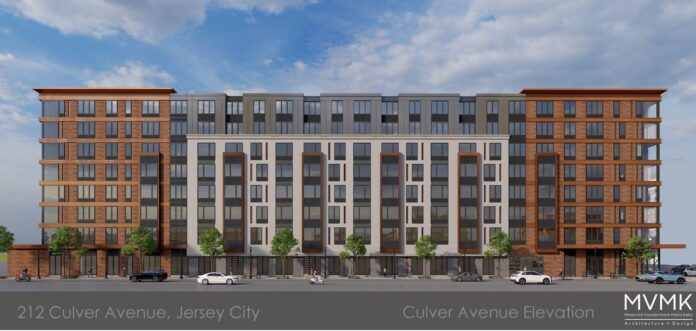
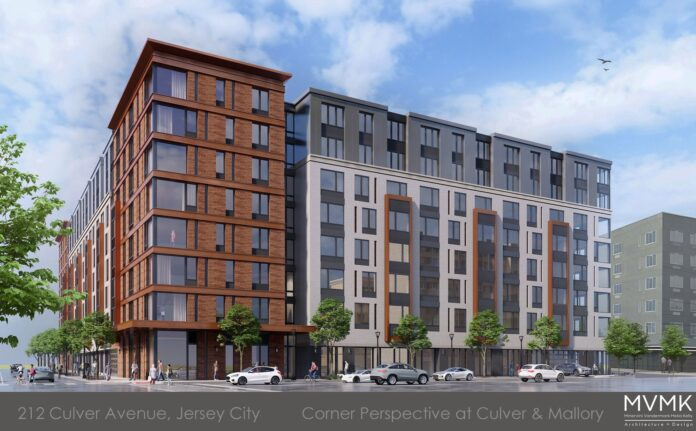
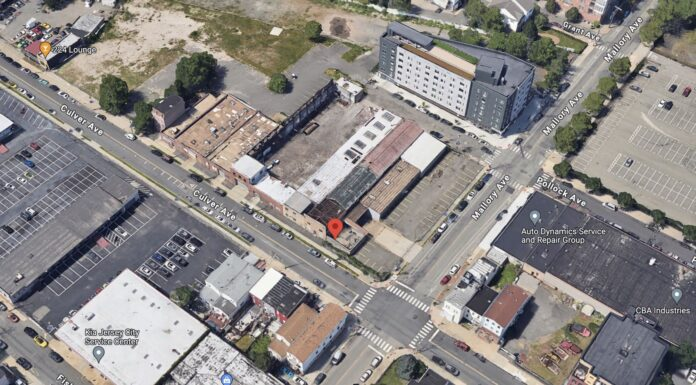
A standout project illustrating the ongoing growth in Jersey City’s West Side is the 212-230 Culver Avenue development by TAY Investments. Purchased for $14.1 million, the site will see an eight-story mixed-use complex break ground in spring 2026, with completion expected by summer 2028. Designed by MVMK Architecture + Design, the project will include 365 residential units, with studios comprising over 43% of the total, alongside one- and two-bedroom apartments, some featuring private terraces.
The development will also provide 1,550 square feet of ground-floor commercial retail space, a 184-space parking garage, and a 400-square-foot dog run. Residents can look forward to a high-end wellness area with indoor and outdoor pools, saunas, a yoga and meditation center, a modern gym, a rooftop bar, a pickleball court, and an 8,400-square-foot landscaped terrace. While this project does not include affordable housing due to zoning compliance, it reinforces Jersey City’s rapid growth and urban revitalization.
TAY Investments has an established presence in the area, including adaptive reuse projects at 301 West Side Avenue and the recently leased-out Art of Newark. Their latest investment reflects confidence in the long-term potential of Jersey City’s West Side as both a residential and cultural hub.
For readers looking to explore more about New Jersey’s real estate developments and market trends, additional coverage can be found through Sunset Daily News’ real estate section.
With mortgage rates expected to average 6% to 6.3% throughout 2026 and inventory gradually improving, experts anticipate a 14% increase in existing home sales nationwide. Statewide price appreciation is forecasted at a sustainable 2–4% annually, signaling a market that is cooling from the double-digit surges seen in prior years but still resilient and ripe for strategic investment.
Trump Pushes $200 Billion Mortgage Bond Purchase to Lower Rates Amid Housing Concerns. President Trump announced Thursday that he is directing the federal government to purchase $200 billion in mortgage bonds, a move aimed at lowering mortgage rates and addressing growing concerns about housing affordability.
The announcement, made on social media, comes as the administration seeks to demonstrate responsiveness to homeowners and prospective buyers facing rising costs in the real estate market. Home prices across the country have increased at a pace exceeding wage growth, largely due to a persistent shortage of housing inventory. This trend has created obstacles for first-time buyers and homeowners looking to upgrade, a problem that stretches back to the post-2008 recovery following the housing market collapse that triggered a global financial crisis.
Trump emphasized that the funds for the initiative would come from the cash holdings of the federally controlled mortgage giants, Fannie Mae and Freddie Mac. He claimed that deploying $200 billion into mortgage bond purchases would directly reduce mortgage rates and lower monthly payments, making homeownership more attainable for many Americans.
“This will drive mortgage rates down, monthly payments down, and make the cost of owning a home more affordable,” Trump wrote on Truth Social, reinforcing the administration’s narrative of active intervention in the housing market ahead of upcoming midterm elections.
The plan also comes alongside broader housing policy measures, including Trump’s recent proposal to restrict institutional investors from purchasing single-family homes — a practice critics argue contributes to competition and price pressure in local markets. The administration’s dual focus on bond purchases and investor restrictions signals an effort to tackle housing affordability from multiple angles, aiming to ease the pressures felt by average buyers.
Market analysts have noted that while government bond purchases can influence mortgage rates, the housing sector remains complex, with prices influenced by regional demand, construction trends, and broader economic factors. Still, the proposed $200 billion allocation represents one of the most significant federal interventions in mortgage markets in recent years and is expected to draw attention from buyers, lenders, and policymakers alike.
For readers seeking ongoing updates on housing trends and market developments, additional coverage is available through Sunset Daily News’ real estate section.



