



Princeton Astrophysicist Brings the Story of the Universe’s Elements to Life at the State Museum
A journey that begins with the birth of the universe and ends with the atoms inside our own bodies will take center stage in Trenton this winter as the New Jersey State Museum hosts an evening of cosmic exploration designed to inspire curiosity well beyond the classroom. On Saturday, February 21, visitors are invited to look skyward—both literally and intellectually—during a special planetarium presentation examining how the elements that shape planets, technology, and life itself came into existence.
The free program, presented under the museum’s “Science Under the Stars” series, will run from 4:15 to 5:00 p.m. and feature guest speaker Zachary Andalman of Princeton University. Andalman’s research focuses on the extreme astrophysical environments where matter is forged, making him uniquely suited to guide audiences through the dramatic processes that transform simple particles into the rich periodic table humanity depends on today.
Rather than approaching the topic as an abstract scientific lecture, the presentation traces a sweeping narrative arc. It begins with the Big Bang, when hydrogen and helium emerged from an unimaginably hot and dense universe, then moves into the interiors of stars, where nuclear fusion steadily builds heavier elements over billions of years. From there, the talk ventures into the explosive deaths of massive stars and the violent collisions of neutron stars—rare but powerful events capable of producing precious metals such as gold and platinum.
For many attendees, the most striking realization may be how deeply personal this cosmic story becomes. The calcium in bones, the iron in blood, and the oxygen we breathe all share origins in ancient stellar processes. By connecting cutting-edge astrophysics to everyday human experience, the program aims to make complex science accessible without diluting its wonder.
The event is recommended for ages 16 and up, making it an ideal outing for high school students with an interest in science, college-bound teens considering STEM fields, and adults eager to deepen their understanding of the universe. It also reflects a broader push across New Jersey to support engaging public education initiatives that bridge academic research and community learning in meaningful ways.
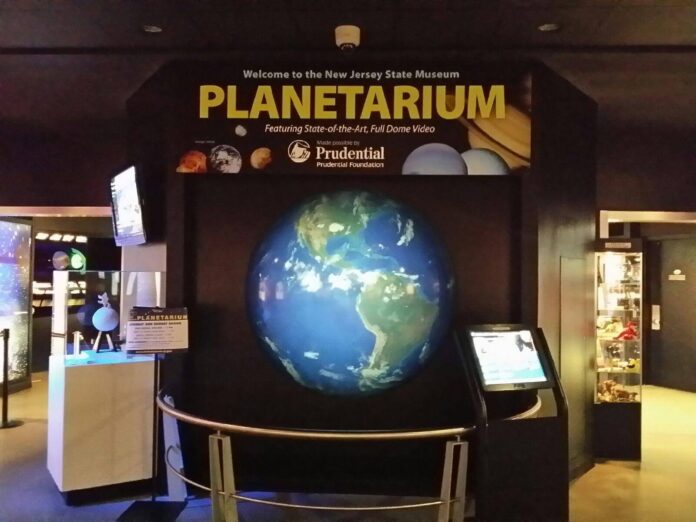
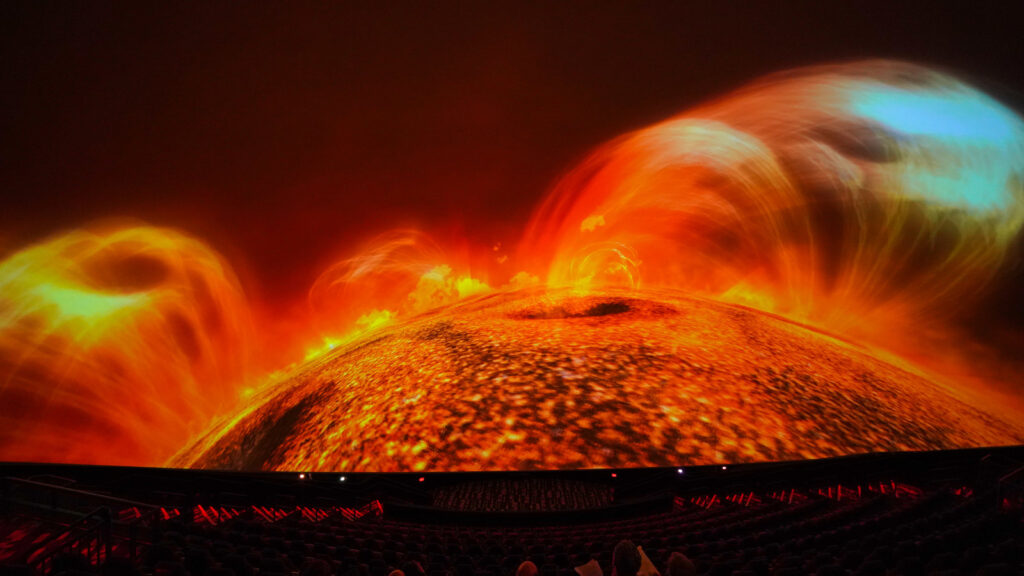
Held indoors at the New Jersey State Museum on West State Street in Trenton, the presentation offers a rare opportunity to hear directly from a working scientist whose research contributes to ongoing discoveries about the cosmos. Seating is limited, and advance reservations are encouraged to ensure access to the planetarium’s immersive environment, which enhances the experience with visuals that place audiences amid stars, supernovae, and distant galaxies.
As interest in space science continues to surge—from telescope breakthroughs to renewed lunar and planetary missions—events like this provide a local gateway to global discovery. By transforming complex astrophysics into a compelling narrative of origin and transformation, the State Museum’s upcoming program underscores how science, at its best, connects the vastness of the universe to the smallest details of everyday life.



