


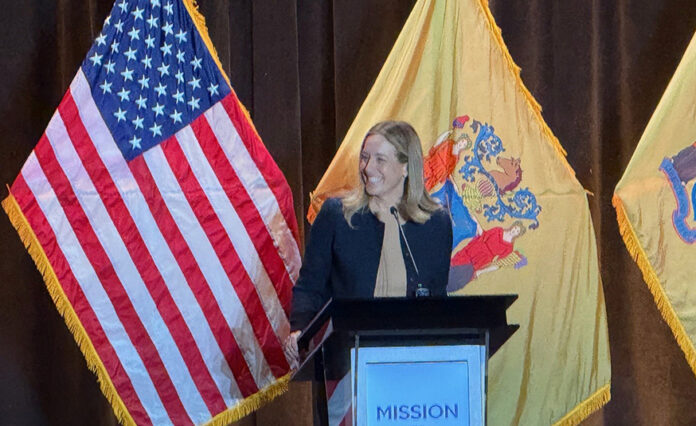

New Jersey officials are taking steps to strengthen leadership across state agencies and regional planning bodies as Gov.-elect Mikie Sherrill announces key appointments, while local and state leaders assume new roles in transportation and business oversight.

Gov.-elect Sherrill has nominated Rosalie Johnson to serve as Chief Administrator of the New Jersey Motor Vehicle Commission (MVC). Johnson brings more than two decades of leadership experience in multi-unit state agencies, most recently with the Institute for Responsive Government, where she has advised motor vehicle operations nationwide. Her prior experience includes serving as Senior Deputy Director of the Colorado DMV, where she led efforts achieving a 97% REAL ID compliance rate, reduced average wait times from 45 minutes to 15 minutes, and implemented a secure mobile driver’s license program.
Sherrill emphasized Johnson’s ability to improve operational efficiency and customer service. “It’s too hard for New Jerseyans to get what they need from the MVC,” Sherrill said. “Rosalie brings proven experience in streamlining processes, reducing wait times, and enhancing roadway safety—skills that will benefit residents and businesses across the state.” Johnson echoed the commitment, highlighting plans to empower MVC staff, simplify access to REAL IDs and other services, and prioritize initiatives that reduce delays while maintaining public safety on New Jersey roads.
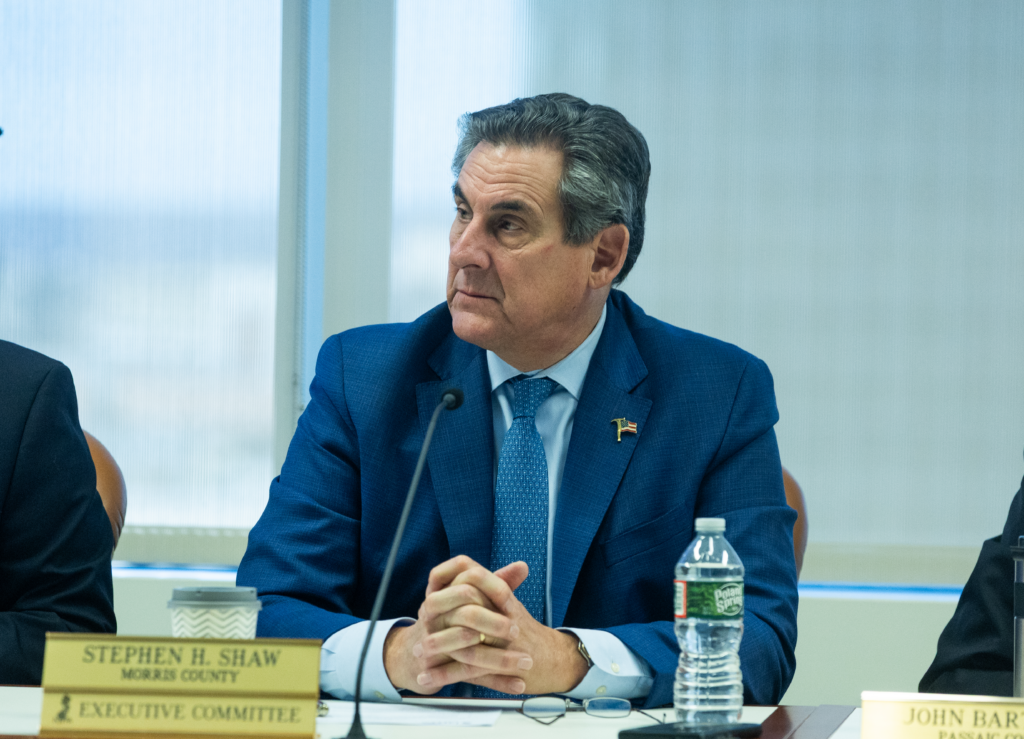
In transportation leadership, Morris County Commissioner Director Stephen H. Shaw has been named third vice chair of the North Jersey Transportation Planning Authority (NJTPA) during the board’s January 12 meeting. Shaw, who has managed New Jersey finances and overseen county operations for eight years, joins the NJTPA Executive Committee to help guide regional transportation policy, funding allocation, and infrastructure projects.
At the board meeting, nearly $171 million in safety funding was approved, including $9.5 million earmarked for upgrades along Newark Pompton Turnpike in Pequannock Township. Shaw emphasized the importance of federal dollars in improving transportation safety, saying, “These projects benefit everyone—drivers, cyclists, pedestrians, and commercial deliveries—by making our roads safer and more efficient.”
Shaw’s leadership experience spans more than a decade in local government, including 12 years on the Mountain Lakes Borough Council, three years as mayor, and multiple terms as Morris County commissioner. Since joining the NJTPA Board of Trustees in 2023, he has served on the Planning and Economic Development Committee and chaired the Freight Initiatives Committee. His selection as third vice chair positions him to continue shaping regional transportation planning across northern and central New Jersey.
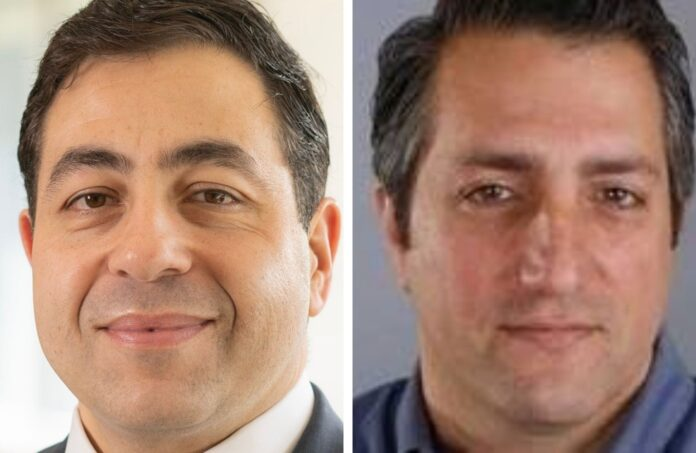
Meanwhile, the New Jersey Chamber of Commerce has strengthened its board with the addition of two executives: George Helmy, EVP and Chief External Affairs and Policy Officer at RWJBarnabas Health, and Nick Maniatis, Director of Studio & Production Affairs for North America at Netflix. Their appointments bring leadership experience in healthcare, media, and entertainment sectors to the Chamber, underscoring the organization’s commitment to supporting business growth, workforce development, and policy advocacy across the state.
These leadership developments reflect a broader focus on organizational efficiency, public service, and economic growth in New Jersey. From modernizing motor vehicle operations to advancing regional transportation planning and expanding business representation, officials are positioning the state to address operational challenges while fostering sustainable growth. Ongoing updates on state agency initiatives, regional infrastructure, and business leadership are available in the Sunset Daily News Legislation and Business sections.
With Johnson, Shaw, and the new Chamber members assuming their respective roles, New Jersey is poised for a period of enhanced public service, improved agency performance, and strategic economic planning that will impact residents, businesses, and regional infrastructure for years to come.