


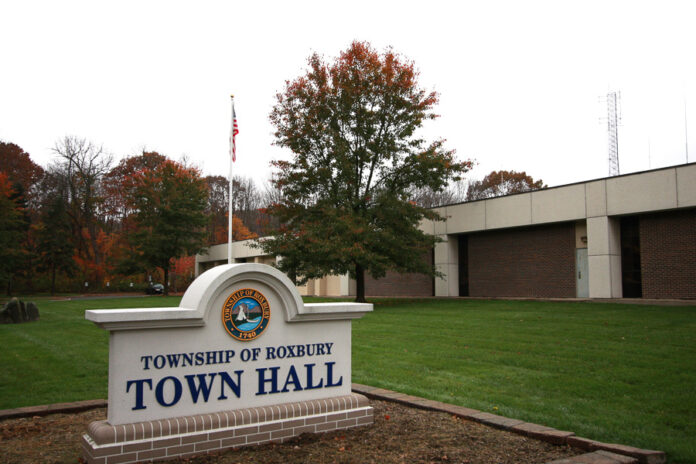

Roxbury Township Pushes Back Against New ICE Detention Center as New Jersey’s immigration policy landscape is entering a pivotal moment as state lawmakers introduce an aggressive legislative package aimed at expanding immigrant protections while local communities confront the growing federal presence of immigration enforcement infrastructure. The developments reflect a rapidly evolving legal, political, and community-level debate shaping the Garden State’s future approach to immigration governance, enforcement authority, and civil liberties.
As of February 2026, New Jersey stands at the center of a high-profile policy confrontation involving proposed state reforms, federal enforcement activity, and mounting local opposition to new detention operations. For continuing updates on statewide policy developments, readers can follow the Sunset Daily News Legislation coverage hub.
New Jersey Democrats Introduce Sweeping Immigration Reform Package
State Democratic lawmakers have unveiled a bold legislative framework designed to significantly expand protections for immigrants across New Jersey. The proposal represents one of the most comprehensive immigration policy initiatives in recent state history, focusing on financial disincentives for private detention facilities and new restrictions on enforcement practices.
Among the most prominent elements of the package is a proposed 50 percent tax on private immigration detention centers operating within New Jersey. Supporters say the measure is intended to discourage the expansion of for-profit detention operations while addressing longstanding concerns about accountability, transparency, and oversight.
The legislation also seeks to prohibit law enforcement officers—including federal immigration agents—from wearing masks during enforcement actions within the state. Advocates argue the policy would enhance transparency, ensure accountability, and protect civil liberties by requiring clear identification during enforcement activities.
Supporters frame the initiative as a necessary step to strengthen constitutional protections and prevent what they describe as opaque enforcement practices that undermine public trust. Critics, however, argue such restrictions could create operational challenges and conflict with federal enforcement authority.
The proposal reflects a broader policy direction in New Jersey that emphasizes civil rights protections, institutional accountability, and expanded safeguards for vulnerable populations.
Court Review Raises Legal Stakes
The legislative push follows a court-ordered review that found the Trump administration violated more than 50 court orders in New Jersey immigration cases. The findings have intensified calls among state leaders and advocacy groups for stronger oversight mechanisms and clearer legal protections for immigrants facing detention or removal proceedings.
Supporters of the reform package argue the court’s findings demonstrate systemic issues requiring legislative action at the state level. By establishing stricter rules governing detention operations and enforcement conduct, lawmakers aim to ensure greater compliance with judicial standards and constitutional protections.
The legal context has added urgency to the debate, elevating immigration policy from a political issue to a matter of judicial accountability and procedural integrity.
Roxbury Township Confronts New ICE Detention Center
While lawmakers pursue statewide reforms, local tensions have intensified in Roxbury Township following confirmation that U.S. Immigration and Customs Enforcement has finalized the purchase of a Route 46 warehouse to house detainees.
The acquisition, involving property purchased from Dalfen Industrial, ends weeks of speculation and confirms federal plans to establish a detention facility within the Morris County community. Reports of the potential purchase first emerged in late December, and municipal officials have now verified that the transaction has been completed.
Roxbury’s governing body expressed strong opposition to the development, issuing a statement describing the announcement as a profound disappointment for residents. Local leaders criticized the property owner’s decision and raised concerns about community impact, infrastructure limitations, and the facility’s proximity to residential areas.
The township has adopted a formal resolution opposing the project and is preparing to challenge the detention center in court. Officials argue the location lacks adequate water and sewer infrastructure and poses significant concerns for nearby neighborhoods.
The dispute illustrates the complex intersection of federal authority, local governance, and community planning that increasingly defines immigration enforcement debates across the country.
Political Friction and Representation Concerns
The Roxbury controversy has also exposed political tensions within the state’s leadership structure. Township officials publicly criticized their federal representative, Rep. Tom H. Kean Jr., stating that he did not engage with local concerns to the level residents had expected despite repeated outreach.
The criticism carries particular significance given that Roxbury’s local governing council is Republican, highlighting bipartisan frustration at the federal response to the issue. Municipal leaders argue stronger advocacy was needed to represent community concerns regarding the detention center’s location and potential impact.
At the same time, other members of New Jersey’s congressional delegation moved quickly to oppose the facility, underscoring divisions in how elected officials are responding to immigration enforcement expansion within the state.
The episode reflects broader political dynamics shaping immigration policy debates in New Jersey, where local interests, federal authority, and partisan priorities frequently intersect.
Community Impact and Local Resistance
Opposition in Roxbury highlights the complex social and economic questions surrounding immigration detention facilities. Residents and local officials have raised concerns about community identity, public safety perception, infrastructure capacity, and long-term development planning.
Municipal leaders emphasize that the dispute is not solely ideological but also practical, involving zoning considerations, environmental factors, and quality-of-life concerns for surrounding neighborhoods. The township’s legal challenge is expected to focus on land-use compliance, infrastructure readiness, and environmental impact.
Community resistance reflects a growing trend in which local governments seek greater influence over federal enforcement operations affecting their jurisdictions.
Federal Authority and State-Level Policy Tensions
The evolving situation underscores a fundamental policy tension between federal immigration authority and state-level regulatory power. While immigration enforcement remains primarily a federal responsibility, states increasingly use legislative and regulatory tools to influence how federal policies operate within their borders.
New Jersey’s proposed tax on private detention centers and restrictions on enforcement practices represent a strategic attempt to shape immigration policy through economic and regulatory mechanisms rather than direct enforcement control.
Legal experts anticipate potential court challenges if the legislation advances, particularly regarding federal preemption and jurisdictional authority. Such challenges could establish significant legal precedents affecting immigration policy nationwide.
Economic and Operational Implications
The proposed tax on private detention centers could have substantial financial implications for operators and investors involved in immigration detention infrastructure. By significantly increasing operational costs, the measure aims to reduce reliance on private detention facilities while encouraging alternative approaches to immigration processing.
For municipalities like Roxbury, the presence of a detention facility also raises questions about local economic impact, infrastructure strain, and community planning priorities. While some facilities generate employment opportunities, opponents argue potential costs and social consequences outweigh economic benefits.
The debate highlights competing perspectives on how immigration enforcement infrastructure affects local economies and community development.
A Defining Moment for New Jersey Immigration Policy
New Jersey’s immigration policy landscape is undergoing a period of transformation defined by legal challenges, legislative innovation, and community activism. The convergence of state reform efforts and local resistance to federal enforcement expansion reflects a broader national conversation about the balance between security, civil liberties, and community autonomy.
As the legislative package advances and Roxbury’s legal challenge unfolds, the outcomes could reshape how immigration enforcement operates within New Jersey and influence policy approaches in other states.
The Garden State’s approach continues to emphasize transparency, accountability, and protection of civil rights while navigating complex jurisdictional boundaries. The coming months are likely to determine whether these policy ambitions translate into lasting structural change.
For readers tracking immigration reform, enforcement developments, and statewide policy initiatives, Sunset Daily News remains committed to delivering comprehensive coverage of the legislative and legal decisions shaping New Jersey’s future.



