


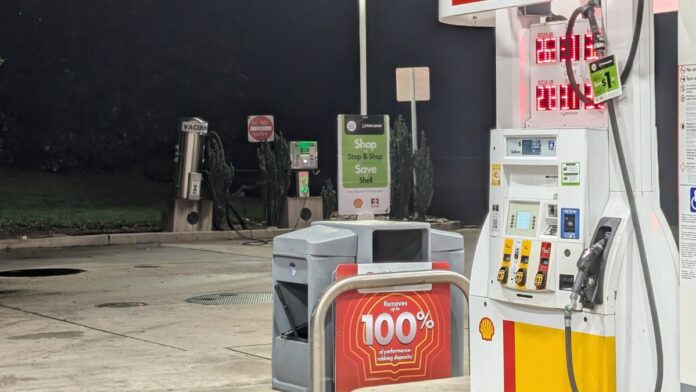

New Jersey drivers will see an increase at the pump as the state prepares to raise its gasoline tax by 4.2 cents per gallon beginning January 1, 2026. This adjustment will bring the total gas tax to 49.1 cents per gallon, a change driven by legally mandated revenue targets aimed at funding transportation infrastructure and maintenance projects across the state.
The hike follows the state’s statutory formula, which indexes the gas tax to inflation and projected transportation needs. Officials say the increase is necessary to maintain roads, bridges, and transit systems that serve millions of residents daily. With New Jersey consistently ranking among the states with higher gas taxes, the adjustment reflects both rising construction costs and the need to sustain long-term transportation initiatives.
Motorists can expect the impact to be gradual but noticeable, especially for commuters who rely on daily travel. For example, drivers covering 1,000 miles per month in vehicles averaging 25 miles per gallon could see their monthly fuel costs rise by roughly $16, depending on regional pump prices. Experts note that while the increase may be modest per gallon, the cumulative effect over time could influence household budgets and commuting decisions.
State officials emphasize that the additional revenue will be directed toward projects designed to improve road safety, reduce congestion, and modernize transit infrastructure. Key initiatives slated for 2026 include bridge rehabilitation programs, highway expansion in high-traffic corridors, and upgrades to public transportation systems to accommodate growing ridership.
The announcement has already sparked debate among residents and advocacy groups. Supporters argue that the additional funds are essential for maintaining a transportation network capable of supporting economic growth and public safety. Critics, however, warn that rising fuel costs disproportionately affect lower- and middle-income households, particularly in suburban and rural areas where commuting by car is often unavoidable.
As New Jersey approaches the implementation date, drivers are encouraged to plan ahead and monitor fuel prices closely. The state Department of Transportation is also providing guidance on upcoming road projects and how new funding will be allocated to improve traffic flow and infrastructure reliability.
For ongoing coverage of transportation, taxation, and statewide policy updates, readers can follow the New Jersey News section of Sunset Daily, keeping the public informed about changes that directly affect daily life and commuting across the state.



