


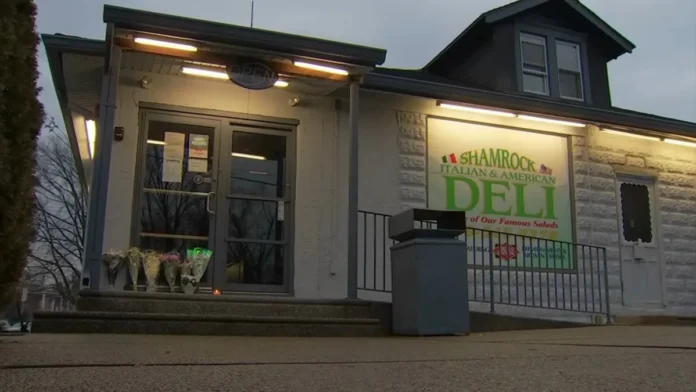

A long-running criminal case involving the fatal shooting of a New Jersey deli owner is moving closer to trial, as court proceedings against the man accused in the killing advance toward a final pretrial stage after years of legal review surrounding his mental competency.
Dyheam Williams, 25, has remained in state custody for approximately six years while attorneys and the court addressed whether he is fit to stand trial in connection with the death of Shamrock Deli owner Jerry Pastore. The case, which has drawn sustained attention within the local community and across the region, is scheduled to proceed to a final discretionary conference in April — a significant procedural step that could determine the timeline for a full trial.
The charges stem from a violent confrontation that occurred outside the popular deli, where authorities allege an altercation between Williams and Pastore escalated into a deadly encounter. Prosecutors contend that the incident resulted in Pastore’s death, leaving a lasting impact on family members, patrons and residents who knew the longtime business owner as a familiar presence in the neighborhood.
The legal process has been extended largely due to ongoing evaluations of Williams’ competency, a determination required under New Jersey law before criminal proceedings can move forward. Courts must assess whether a defendant is capable of understanding the charges, participating in their defense and assisting legal counsel — standards that are essential to ensuring constitutional protections within the justice system.
Over the past several years, mental health experts and attorneys for both the prosecution and defense have presented arguments and evidence regarding Williams’ psychological condition. The extended timeline reflects the complexity of such cases, where medical assessments, legal standards and due process intersect to determine whether a defendant can be tried under criminal law.
Legal analysts note that competency disputes frequently involve extensive clinical evaluations, treatment recommendations and judicial review, all of which can significantly delay proceedings. In high-profile cases involving violent crimes, these determinations often draw heightened public attention, particularly when the case involves a well-known community figure.
The upcoming discretionary conference is expected to address remaining procedural issues and establish the next phase of the case. If the court determines that Williams is competent to proceed, the matter could advance toward jury selection and formal trial proceedings, bringing the case closer to resolution after years of legal uncertainty.
The death of Jerry Pastore left a profound mark on the local business community and residents who frequented Shamrock Deli, an establishment known not only for its food but also for its role as a neighborhood gathering place. Community members have repeatedly expressed grief over the loss, remembering Pastore as a dedicated small business owner who built lasting relationships with customers and contributed to the area’s sense of community.
Criminal cases involving small business owners often resonate deeply within local economies, highlighting broader concerns surrounding public safety, neighborhood stability and the challenges faced by independent retailers. Incidents of violence affecting community institutions frequently prompt renewed conversations about security measures, law enforcement response and support systems for victims and their families.
The case also reflects broader issues within the criminal justice system, particularly the role of mental health evaluations in serious criminal proceedings. Courts across the country continue to confront growing challenges related to competency determinations, treatment resources and the balance between public safety and individual rights.
As the April conference approaches, the proceedings are expected to provide greater clarity on the legal path forward and the potential timeline for trial. Observers say the outcome could mark a turning point in a case that has remained unresolved for years while legal and medical questions were addressed.
The developments are being closely followed by those tracking major criminal cases and justice system developments across the state. Readers seeking ongoing updates and regional reporting can follow additional coverage through Sunset Daily’s law and order coverage.
For the Pastore family and the broader community, the advancement of the case represents a significant moment in a long legal process, one that could ultimately bring accountability, closure and answers after years of waiting. As the judicial process moves forward, the case continues to underscore the complex realities of criminal law, mental health evaluation and the enduring impact of violent crime on New Jersey communities.



