


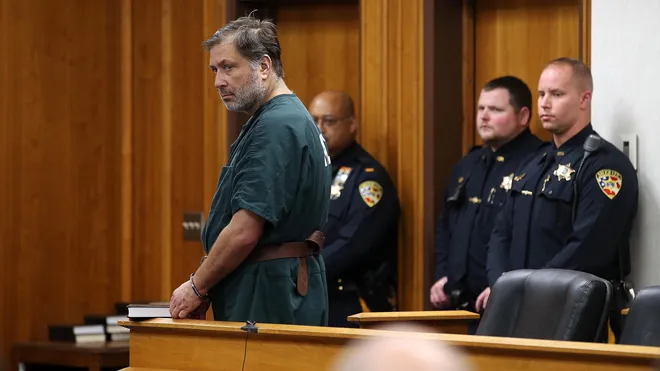

COLTS NECK — Jury selection commenced this week in the closely watched murder trial of Paul Caneiro, the man accused in connection with the 2018 deaths of four members of his own family. The proceedings mark a significant step in a case that has gripped New Jersey for years, as the legal process transitions from pretrial motion practice to the heart of courtroom debate.
In the Monmouth County courtroom, potential jurors were methodically questioned by attorneys for both the prosecution and defense to ensure a fair and impartial panel. The meticulous selection process reflects the gravity of the charges Caneiro faces and the intense public interest in the proceedings. Court officials and legal observers indicated that once the full jury is seated, the trial will move forward with opening statements and the presentation of evidence.
The accused, Caneiro, stands charged with the murder of his brother and three other family members in what prosecutors describe as a calculated and tragic act of violence that shocked the tight-knit Colts Neck community. The defense has consistently challenged aspects of the case, raising questions about the interpretation of evidence and the motivations behind the prosecution’s theories.
Throughout pretrial hearings, defense counsel pursued various motions seeking to limit or exclude evidence and to dismiss certain counts, arguments that reflect common tactical approaches in complex homicide cases. A number of these motions have been resolved by the court, but others remain part of ongoing legal contention as the trial unfolds. Coverage of these developments has been featured prominently within our Law & Order section, where readers can access detailed background and analysis of key filings and rulings.
Residents of Colts Neck and surrounding communities have followed the case closely, given its unusual severity and the familial relationships at its core. Law enforcement originally responded to the scene in 2018 after multiple reports brought attention to a residence where the victims were discovered. The circumstances of the deaths prompted an extensive investigation involving local and state authorities, with subsequent arrest and indictment of Caneiro drawing widespread media attention.
As the trial progresses, jurors will be tasked with evaluating a complex body of evidence presented by both sides. The prosecution is expected to detail forensic findings, witness testimony, and other investigative developments that it asserts connect Caneiro to the crimes. Conversely, the defense will present its own narrative, seeking to create reasonable doubt about key aspects of the prosecution’s claims.
Legal analysts note that the voir dire process — in which attorneys and the court question potential jurors — serves as a foundational element of the justice system, ensuring that the panel tasked with weighing life and liberty issues can do so without prejudice. The selection phase often reveals attorneys’ trial strategies, as they test reactions to hypothetical scenarios, prior experiences with the legal system, and attitudes toward evidence and testimony.
Once jurors are sworn in, the trial is expected to intensify, with both sides gearing up for days of witness testimony, evidentiary challenges, and legal argument. The outcome of the trial will carry long-lasting implications for the Caneiro family, the victims’ loved ones, and the broader community, bringing to resolution years of speculation and procedural deliberation.
For continued coverage of the trial’s milestones, courtroom developments, and legal context, visit our dedicated Law & Order section for comprehensive reporting as this case advances through the New Jersey judicial system.



