


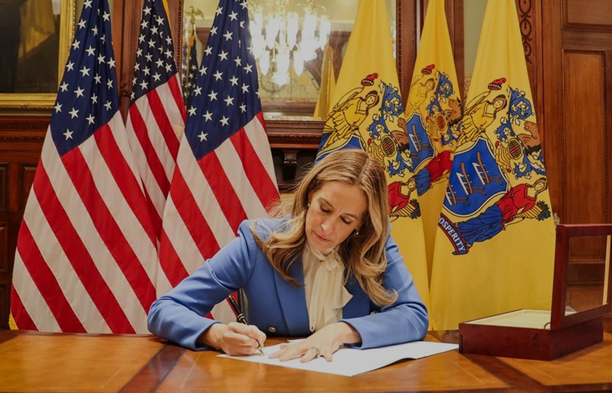

Governor Mikie Sherrill, sworn in on January 20, 2026, has stepped into office overseeing New Jersey’s largest budget ever, totaling $58.78 billion for Fiscal Year 2026. While the state maintains a robust reserve estimated between $6.7 billion and $7 billion, her administration faces a series of significant fiscal pressures that experts warn could shape the state’s financial landscape for years to come.
The first and most pressing concern is the structural deficit embedded in the FY2026 budget. Current spending commitments already exceed projected recurring revenue by at least $1.5 billion, with some analysts suggesting the true gap could approach $4 billion. This deficit poses immediate challenges for long-term planning, requiring careful balancing between essential services and fiscal prudence.
Compounding the deficit is the gradual withdrawal of federal pandemic-era support. Programs ranging from childcare assistance to infrastructure funding previously subsidized by emergency relief dollars are now losing federal backing. Proposed reforms to Medicaid and the Supplemental Nutrition Assistance Program (SNAP) could further reduce aid, potentially cutting billions in annual funding and forcing the state to consider alternative solutions to maintain these critical services.
Several state programs are also seeing steep cost escalations. The Stay NJ senior property tax relief initiative, a cornerstone of the Sherrill administration’s affordability agenda, is projected to reach full implementation in FY2027, driving costs up by nearly $900 million. Meanwhile, state employee health benefit premiums are expected to rise by 20 percent or more, adding hundreds of millions in obligations to an already tight budget. K-12 education funding continues to command a major portion of spending, with formula-driven payments totaling $12 billion and remaining one of the state’s most rigid financial commitments.
Despite these pressures, Governor Sherrill has emphasized affordability and fiscal responsibility as key pillars of her early tenure. She has signaled no intention to raise taxes in her initial budget, instead focusing on executive actions to mitigate household expenses, including interventions aimed at curbing soaring energy costs and utility bills.
The administration faces a critical timeline, with a comprehensive budget proposal due by late February or early March 2026. This plan must navigate the tension between rising program costs, dwindling surplus levels—which have dropped from a $10 billion peak in 2024—and the need to maintain core services for residents across the state. How the Sherrill administration addresses these fiscal challenges in its first full budget will set the tone for governance and economic policy in New Jersey for years to come.
For ongoing updates and coverage on New Jersey politics and fiscal policy, explore the latest reporting on our politics page.