



North Jersey braces for life-threatening wind chills near minus 25 as rescues follow ice collapse on Raritan Bay
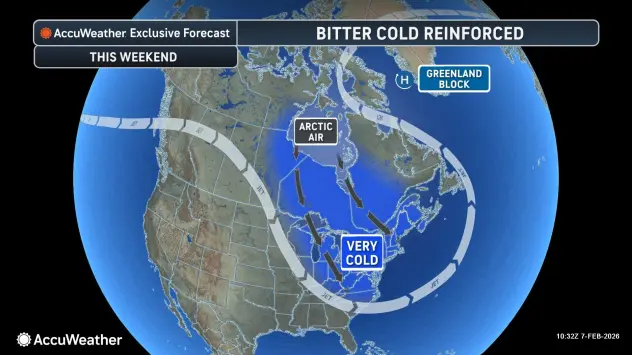
A powerful Arctic outbreak is tightening its grip on New Jersey, triggering extreme cold warnings across North Jersey and prompting urgent safety alerts after multiple ice-related emergencies unfolded along the coast and inland waterways Friday.
Meteorologists are warning residents to prepare for some of the most dangerous cold conditions of the season, with wind chills expected to plunge as low as minus 25 degrees in parts of Bergen, Passaic, Morris, Sussex, and Warren counties through the weekend. The combination of bitter temperatures and gusty winds is creating life-threatening exposure risks for anyone outdoors for even short periods of time.
State and local emergency management officials say the Arctic air mass is arriving at a time when much of New Jersey is still recovering from recent winter storms, increasing the likelihood of travel disruptions, frozen infrastructure, and localized power outages. Crews are already monitoring vulnerable electrical and water systems as subzero wind chills stress utility equipment and frozen lines become more likely.
Public safety officials are urging residents to closely monitor the latest weather conditions and warnings as the cold intensifies, especially for rapidly changing advisories tied to wind, ice, and potential service interruptions.
The extreme cold arrives as New Jersey authorities continue responding to a series of dangerous ice incidents that underscore how quickly winter conditions can turn life-threatening.
On Raritan Bay, a popular fishing pier collapsed into icy water, sending emergency crews rushing to the scene. Officials confirmed that the structure gave way under winter conditions, forcing first responders to secure the area and prevent additional access while safety inspections are conducted. While no fatalities were reported at the pier, authorities described the collapse as a close call and a stark reminder of how winter weather weakens shoreline infrastructure.
In a separate and far more perilous incident, three people were rescued by helicopter after falling through ice in a nearby area. First responders coordinated a multi-agency operation that included aerial support due to the unstable surface and rapidly deteriorating conditions. Emergency officials say the victims were pulled from frigid water where cold shock and hypothermia can become fatal within minutes.
Rescue teams emphasized that ice thickness can vary dramatically, even in areas that appear frozen and stable. Shifting tides, fluctuating temperatures, underwater currents, and recent thaw-freeze cycles can leave large sections of ice dangerously thin.
With weekend temperatures expected to remain far below normal, authorities across New Jersey are renewing warnings about venturing onto frozen lakes, ponds, bays, and rivers—regardless of how solid the surface may appear.
Forecasters say the Arctic blast will deliver sustained temperatures in the single digits overnight and teens during the day, while strong winds continue to drive wind chill values into extreme and potentially deadly territory. Prolonged exposure can result in frostbite on exposed skin in as little as 15 minutes, and even shorter in higher wind conditions.
Transportation officials are also preparing for hazardous travel conditions as icy patches persist on secondary roads, bridges, and untreated surfaces. The extreme cold can reduce the effectiveness of road treatment chemicals and allow ice to reform quickly, especially during overnight and early morning hours.
Emergency management officials are encouraging residents to take immediate precautions, including limiting outdoor exposure, dressing in layered cold-weather gear, checking on elderly neighbors and vulnerable individuals, and ensuring pets are brought indoors. Homeowners are advised to protect plumbing by insulating exposed pipes and allowing a slow drip in extremely cold conditions to reduce the risk of freezing.
Local governments are also coordinating with shelters and community centers to ensure warming locations remain available for residents without adequate heat or housing.
Officials say this weekend’s Arctic event is not simply uncomfortable winter weather—it represents a high-risk period for cold-related injuries, infrastructure failures, and ice emergencies across the state. With temperatures expected to remain well below seasonal averages, emergency responders are urging residents to stay informed, avoid unnecessary travel, and treat all frozen waterways as unsafe.
As New Jersey faces another round of severe winter conditions, authorities stress that vigilance, preparation, and caution will be critical in preventing further rescues and tragedies as the deep freeze continues to dominate the region.



