


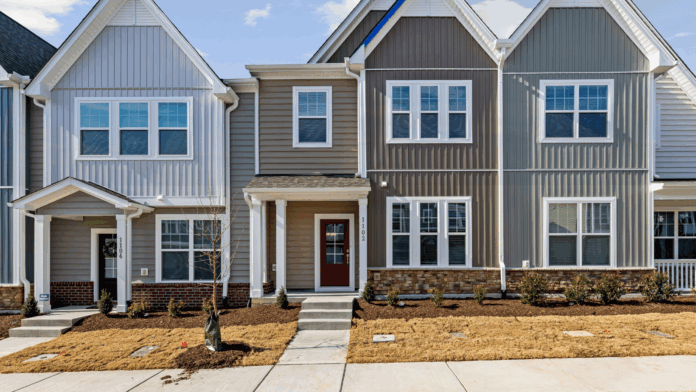

Statewide decision accelerates affordable home construction as municipalities confront long-delayed obligations
A sweeping court decision is redefining how New Jersey towns approach housing growth, after 27 municipalities lost a coordinated legal effort to sidestep state-required affordable housing obligations. The ruling has already triggered a wave of residential development proposals and project launches, marking one of the most consequential shifts in the state’s housing policy in years.
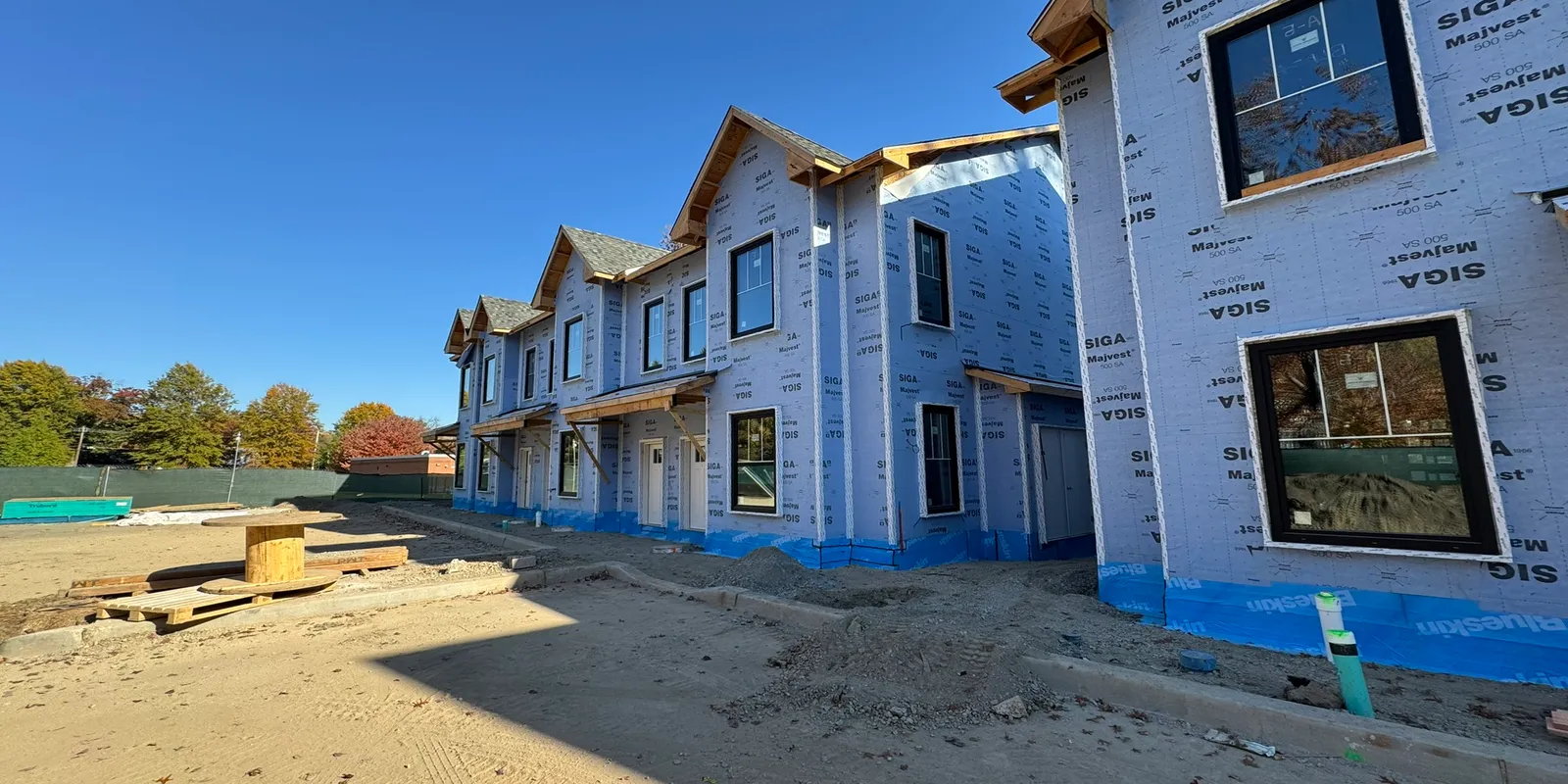
The case centered on whether municipalities could delay or limit compliance with New Jersey’s long-standing affordable housing framework, which requires towns to plan and zone for homes accessible to low- and moderate-income residents. Judges rejected the arguments presented by the towns, affirming that local governments must meet their fair-share responsibilities and cannot indefinitely postpone them through procedural challenges or restrictive zoning.
The immediate impact is visible across multiple counties, where developers are moving forward with projects that had been stalled for years. From mixed-use complexes near transit hubs to suburban developments incorporating income-restricted units, construction activity is beginning to reflect the court’s message: affordable housing mandates are not optional.
Housing advocates say the decision reinforces a principle that has guided state policy for decades—that economic diversity and access to housing are essential components of healthy communities. New Jersey continues to face one of the nation’s highest housing costs, with renters and first-time buyers increasingly priced out of the market. By enforcing compliance, the court effectively removed a major barrier to adding supply where it is most needed.
Municipal leaders, while expressing concern about infrastructure strain and local planning autonomy, are now shifting focus toward implementation. Several towns have already revised zoning ordinances, approved settlement agreements, or entered mediation to determine how many units must be built and where. Others are negotiating with developers to balance density, design, and community impact while meeting state requirements.
Developers see the ruling as a signal of stability and clarity. With legal uncertainty reduced, financing and planning have become more straightforward, accelerating timelines for projects that include affordable units. Many of these developments also feature market-rate housing, retail space, and community amenities, reflecting a broader trend toward inclusive growth rather than isolated low-income construction.
State officials note that the decision aligns with broader policy goals aimed at easing the housing shortage, strengthening the workforce, and promoting equitable development. Enforcement of affordable housing rules is expected to continue through oversight mechanisms tied to housing plans and judicial review, ensuring municipalities remain accountable.
The ruling also renews attention on the legislative framework underpinning New Jersey’s housing obligations. Lawmakers and planners are expected to revisit aspects of housing law and compliance standards as new projects move forward under clearer legal guidance. Readers following developments in state housing policy can track related updates through ongoing coverage of housing-related legislation.
As construction begins and plans advance, the outcome of this legal battle is likely to reshape neighborhoods and housing opportunities across New Jersey. For thousands of residents struggling with rising rents and limited options, the decision represents more than a courtroom victory—it signals the start of tangible change in a state where the demand for affordable homes has long outpaced supply.