


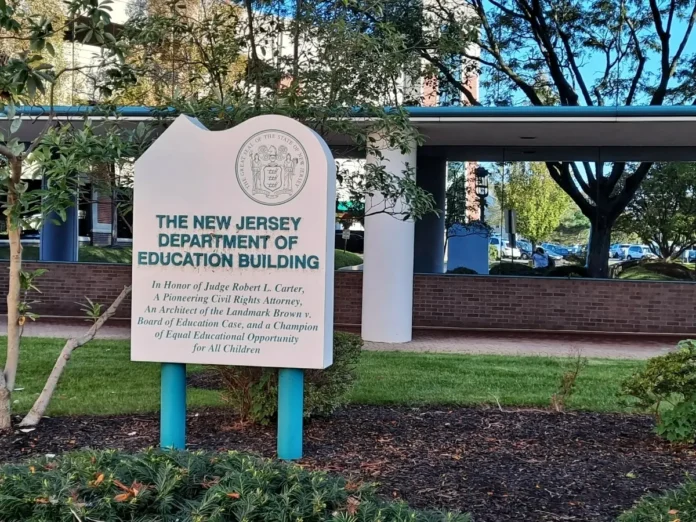

New Jersey’s education funding landscape could see major adjustments under the latest state budget proposal, with roughly two-thirds of the state’s school districts expected to receive increased financial support if the plan moves forward. The proposal, introduced as part of Governor Mikie Sherrill’s broader fiscal strategy, reflects an ongoing effort to recalibrate how school aid is distributed across New Jersey’s diverse network of districts.
The proposal would deliver significant funding increases to many districts across the state, particularly in large urban systems such as Newark and Paterson. At the same time, the formula adjustments could reduce funding for numerous other districts that have historically received higher levels of aid relative to their calculated needs under the state’s school funding formula.
The budget’s education component reflects a broader policy debate about equity, efficiency, and sustainability in public education funding. As New Jersey continues to balance rising educational costs with fiscal constraints, state leaders are reassessing how resources should be distributed to ensure students across the state receive adequate support.
Under the current proposal, the majority of school districts are projected to see an increase in state aid compared with their previous allocations. For many communities, these funding increases could translate into expanded academic programs, additional classroom resources, improved student support services, and greater stability for district budgets.
Urban districts stand to benefit significantly from the changes. In cities like Newark and Paterson, which serve large populations of students from diverse economic backgrounds, the proposal would inject tens of millions of additional dollars into local education budgets. These districts often face complex challenges that include aging facilities, higher student needs, and increasing operational costs.
The proposed funding increases aim to address those realities by aligning aid more closely with the student populations and needs each district serves. Supporters of the budget argue that recalibrating the distribution of funds will help strengthen educational outcomes while promoting fairness across the state.
However, the proposal also means that some districts will see their aid reduced as the state moves toward what officials describe as a more balanced allocation model. For districts that have historically received higher levels of funding under earlier calculations, the shift could create budgetary challenges as local leaders adjust to a changing financial landscape.
These changes highlight one of the most complex aspects of education policy in New Jersey: reconciling statewide equity goals with the unique circumstances of individual communities.
New Jersey’s school funding formula was originally designed to direct resources toward districts with greater financial need while ensuring that every student has access to high-quality educational opportunities. Over time, however, demographic changes, enrollment shifts, and economic conditions have altered how those formulas function in practice.
The Sherrill budget proposal reflects an effort to update the distribution framework in a way that more accurately reflects current conditions across the state.
Education advocates note that the conversation about school funding is not solely about numbers. It also involves decisions about how schools can support student success in an increasingly complex educational environment.
Modern school districts face expanding responsibilities that go far beyond traditional classroom instruction. Schools are now expected to provide a wide range of services including mental health support, career and technical education programs, technology infrastructure, and expanded extracurricular opportunities.
These programs require stable and predictable funding streams that allow districts to plan for long-term investments in staff, facilities, and curriculum development.
For districts receiving additional aid under the proposed budget, the funding increases could help address long-standing needs. Urban systems in particular have faced years of financial strain as they attempt to modernize facilities, upgrade technology, and expand academic programming while serving large and diverse student populations.
Additional funding could enable districts to hire more teachers and counselors, reduce class sizes, expand specialized programs, and invest in infrastructure improvements that enhance the learning environment.
At the same time, districts facing reductions in aid will likely need to explore new strategies to maintain services while adjusting their budgets. Some may turn to local revenue sources, operational efficiencies, or program restructuring to address potential funding gaps.
The debate surrounding the proposed budget highlights the broader importance of education funding within New Jersey’s public policy landscape. Education consistently represents one of the largest components of the state’s annual budget, reflecting its central role in economic development, workforce preparation, and community wellbeing.
New Jersey’s education system is widely regarded as one of the strongest in the country, with many districts consistently achieving high academic outcomes. Maintaining that level of performance requires ongoing investment and thoughtful policy decisions that balance immediate needs with long-term goals.
State officials argue that the proposed funding adjustments represent a step toward ensuring that resources are directed where they can have the greatest impact. By recalibrating aid levels to reflect current demographics and economic conditions, the budget aims to strengthen the overall education system while maintaining fiscal responsibility.
The proposal also underscores the critical role that education plays in shaping the state’s economic future. Schools serve as the foundation for workforce development, preparing students for careers in industries ranging from technology and healthcare to construction, finance, and manufacturing.
Strong public schools attract businesses, support property values, and help communities thrive. As a result, education funding decisions often carry ripple effects that extend far beyond the classroom.
Throughout New Jersey, school districts are now reviewing the details of the proposed budget to understand how the changes may affect their local operations. Administrators, school boards, and municipal leaders are analyzing projected aid levels as they begin planning for the next academic year.
Public discussion about the proposal is expected to continue in the coming weeks as policymakers, educators, and community stakeholders weigh the potential benefits and challenges of the funding adjustments.
For many districts, the coming months will involve careful financial planning as they prepare to implement budgets that reflect the new aid levels. The process will require collaboration among state leaders, local officials, and education advocates to ensure that transitions occur smoothly while maintaining the quality of educational services.
New Jersey’s education system has long been recognized as a cornerstone of the state’s success. From suburban districts known for academic excellence to urban systems working to overcome complex challenges, schools across the state share a common goal of preparing students for the future.
The proposed budget adjustments reflect an ongoing effort to strengthen that mission by ensuring that funding structures evolve alongside the needs of students and communities.
As the legislative process unfolds, educators, parents, and policymakers will continue examining how the proposed changes can support both educational equity and long-term stability across the state’s diverse network of school districts.
What remains clear is that education funding will continue to play a central role in shaping New Jersey’s future, influencing everything from classroom opportunities to economic development across the Garden State.