



New Jersey’s real estate landscape is showing powerful early momentum in 2026, as two major trends reshape the state’s housing and tourism markets: a strong surge in early bookings for Jersey Shore summer rentals and the continued expansion of affordable housing developments across Atlantic County. Together, these developments reflect shifting consumer behavior, evolving housing demand, and broader economic patterns influencing both seasonal tourism and year-round residential growth throughout the Garden State.
From beachfront rental properties experiencing an unusually early wave of interest to the launch of a major income-restricted housing lottery in Galloway, New Jersey’s real estate sector is demonstrating resilience, innovation, and growing demand across multiple market segments. The convergence of these trends signals a dynamic year ahead for property owners, developers, and residents alike.
Jersey Shore Summer Rentals See Unprecedented Early Demand
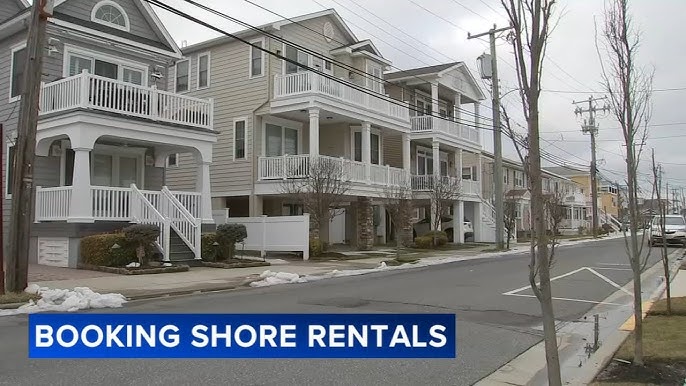
With more than three months remaining until Memorial Day, New Jersey’s shore communities are already experiencing a noticeable surge in summer rental activity — a shift that real estate professionals say reflects changing travel habits, renewed tourism confidence, and strong consumer interest in securing vacation plans earlier than usual.
Agents across Atlantic County and surrounding coastal markets report a steady stream of inquiries from travelers eager to lock in weekly or multi-week stays while winter conditions persist.
Kenny Robinson, a real estate agent with Berkshire Hathaway/Fox and Roach in Margate, described a sharp uptick in interest, noting that demand is arriving far earlier than in recent seasons. Prospective renters, fatigued by extended cold weather and unpredictable winter conditions, are increasingly planning beach getaways months in advance as a way to secure prime locations and pricing.
This early surge suggests a robust outlook for the 2026 summer tourism season, reinforcing the Jersey Shore’s enduring position as one of the Northeast’s premier vacation destinations.
Changing Consumer Behavior Reshapes Vacation Booking Patterns
The acceleration in booking activity marks a significant shift from trends observed just one year ago. During the previous season, many travelers delayed commitments, opting for shorter stays and waiting until late spring or early summer to finalize plans.
Maria Kirk, who operates Shore Summer Rentals — a direct booking platform focused exclusively on Jersey Shore properties — observed that last year’s market began slowly but ultimately experienced a late-season surge as demand intensified heading into June.
This year, however, the pattern has reversed.
Interest is building earlier, website traffic has increased substantially, and renters appear eager to secure accommodations well ahead of peak season. According to Kirk, travelers who postponed vacations last year are returning to the market, while others are prioritizing early planning to avoid limited availability and rising costs.
The shift reflects broader changes in travel psychology following recent economic and social disruptions. Consumers increasingly value certainty, flexibility, and advanced planning when organizing leisure experiences, particularly for high-demand destinations such as the Jersey Shore.
Economic Impact on Shore Communities
The early rental surge carries meaningful economic implications for coastal municipalities throughout New Jersey. Strong seasonal bookings support local economies by driving spending across hospitality, retail, dining, and entertainment sectors.
Shore communities rely heavily on tourism revenue, with summer visitors generating significant economic activity that sustains businesses year-round. Early booking patterns provide increased financial predictability for property owners, local governments, and service providers preparing for the peak season.
Higher occupancy rates also contribute to employment stability across tourism-driven industries, reinforcing the Jersey Shore’s role as a critical economic engine for the state.
Real Estate Market Signals Continued Strength
Beyond tourism, the rental surge reflects sustained demand for coastal living experiences and short-term housing options. The appeal of beachfront communities, walkable downtowns, and recreational amenities continues to attract both temporary visitors and potential long-term residents.
Industry analysts note that the Jersey Shore’s real estate market has demonstrated consistent resilience, supported by limited inventory, high demand, and strong regional appeal. The early booking trend suggests continued market strength heading into the 2026 season.
The phenomenon also highlights the intersection between tourism and housing markets, where seasonal demand influences pricing, availability, and long-term development strategies.
Affordable Housing Expansion in Atlantic County: Cornerstone at Galloway III
While coastal markets experience strong demand for seasonal rentals, New Jersey is simultaneously advancing initiatives to expand housing accessibility for residents across income levels. One of the most significant developments underway is the final phase of Cornerstone at Galloway, an income-restricted residential community in Atlantic County.
The newly announced housing lottery for Cornerstone at Galloway III marks the concluding stage of a three-phase development designed to provide affordable housing options for families and individuals earning at or below 60 percent of the area median income.
Located at 110 South Wrangleboro Road in Galloway, the community will introduce 66 new residential units, with construction expected to conclude in spring 2026. The development represents a major step in addressing housing affordability challenges while supporting long-term community stability.
Applications for the housing lottery are being accepted through early March, with the drawing scheduled for March 9.
Features and Amenities Designed for Modern Living
Cornerstone at Galloway III has been designed to provide high-quality housing with modern amenities and long-term sustainability in mind. The development will offer one-, two-, and three-bedroom apartments, each featuring private street-level entrances, full-size washers and dryers, fully equipped kitchens, and secure key fob access.
The community also includes a wide range of shared amenities aimed at enhancing resident quality of life. These include a multipurpose clubhouse, state-of-the-art fitness center, children’s playground, basketball court, computer workstations, and onsite parking.
Beyond physical infrastructure, the property will provide supportive services to residents, reflecting a comprehensive approach to community development that addresses both housing and social needs.
Sustainable Development and Community Investment
Developer Walters, which oversees the project, emphasizes sustainable building practices and long-term property management as central components of its development strategy. The company’s LEED-certified construction standards aim to deliver environmental benefits while reducing operating costs and improving energy efficiency.
Leadership at Walters describes the project as part of a broader commitment to creating inclusive communities that support economic opportunity and environmental responsibility.
The development’s focus on affordability, sustainability, and supportive services reflects statewide efforts to address housing accessibility challenges while promoting balanced regional growth.
Addressing New Jersey’s Housing Affordability Challenges
The expansion of income-restricted housing in Atlantic County comes amid ongoing concerns about rising housing costs across New Jersey. As property values and rental rates continue to increase in many regions, affordable housing initiatives have become central to economic policy discussions and development planning.
Projects like Cornerstone at Galloway aim to provide stable housing options for working families, essential workers, and residents facing affordability pressures, helping to maintain workforce stability and community diversity.
The development also supports broader economic goals by ensuring that residents can live near employment centers, transportation infrastructure, and essential services.
A Dual Narrative of Demand and Access
Together, the early surge in Jersey Shore summer rentals and the continued expansion of affordable housing illustrate the complexity of New Jersey’s real estate market. On one hand, strong tourism demand and high-interest vacation properties demonstrate the state’s enduring appeal as a leisure destination. On the other, strategic housing initiatives seek to ensure that residents across income levels can access stable, high-quality housing.
These parallel trends reveal a housing market defined by both opportunity and challenge — one driven by consumer demand, economic growth, and evolving public policy priorities.
New Jersey’s Real Estate Market Moves Forward in 2026
As 2026 unfolds, New Jersey’s real estate sector is positioned for continued activity across multiple fronts. Shore communities are preparing for a potentially record-setting summer season, fueled by early rental demand and renewed travel enthusiasm. At the same time, affordable housing developments like Cornerstone at Galloway are expanding access and supporting long-term community development.
The combination of strong seasonal tourism and strategic residential investment underscores the Garden State’s evolving housing landscape — one shaped by market forces, policy initiatives, and shifting consumer priorities.
For residents, investors, and policymakers, these developments signal a year of significant transformation in how New Jersey builds, markets, and manages its housing future while balancing economic growth with community stability and accessibility.



