


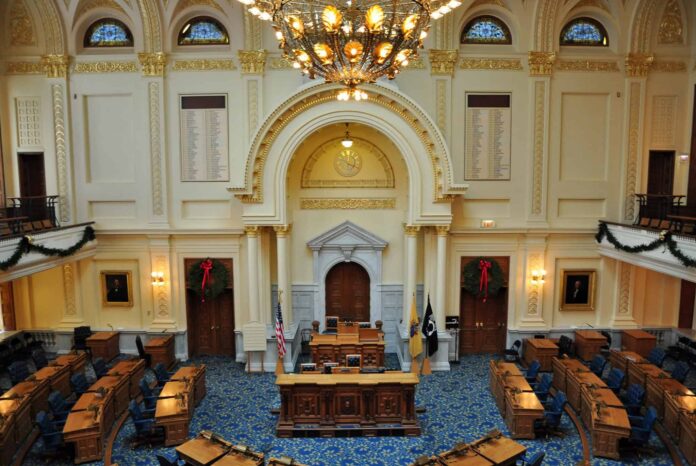

A controversial new proposal advancing through the New Jersey Legislature is igniting intense debate across the state, as lawmakers consider a mattress disposal fee that critics have labeled the “Sleep Tax.” The measure, introduced as part of a broader wave of tax and policy discussions shaping the 2026–2027 legislative session, would require consumers to pay a fee when purchasing a mattress to fund its future removal and disposal.
Supporters argue the proposal represents a forward-thinking environmental solution designed to reduce landfill waste and illegal dumping. Opponents, however, warn that it would place yet another financial burden on residents already facing some of the highest property taxes in the nation.
As discussions continue in Trenton, the proposed fee has quickly become one of the most closely watched policy debates in the state’s evolving fiscal and environmental landscape. Readers can follow ongoing policy developments and related measures through the Legislation section.
What Is the Proposed “Sleep Tax”? Understanding the Mattress Disposal Fee
At the center of the controversy is a “pre-pay” disposal model that would require consumers to pay an upfront fee at the time of mattress purchase. The payment would cover the cost of removing and disposing of the mattress at the end of its usable life — potentially up to 15 years later.
The proposal reflects a growing policy trend focused on “extended producer responsibility,” a framework that shifts disposal and recycling costs to the point of purchase rather than leaving municipalities to manage waste expenses later.
Key components of the bill include:
- A mandatory fee applied to mattress sales statewide
- A pre-paid disposal system covering removal years after purchase
- Funding mechanisms intended to support recycling and waste management programs
- A statewide strategy to reduce landfill waste and illegal dumping
Supporters argue that mattresses present unique disposal challenges due to their size, materials, and environmental impact, often requiring specialized handling that local waste systems are not equipped to manage efficiently.
Environmental Goals Driving the Proposal
Proponents of the measure frame the legislation as an environmental protection initiative aimed at reducing landfill pressure and preventing illegal mattress dumping — a persistent issue in many communities across New Jersey.
Mattresses are difficult to compact, transport, and recycle, frequently ending up in landfills or abandoned in public spaces. The proposed fee is intended to create a dedicated funding stream for proper disposal infrastructure, recycling programs, and waste management logistics.
Supporters emphasize several potential benefits:
- Reduced landfill volume and environmental impact
- Expanded mattress recycling programs
- Lower municipal cleanup costs
- More consistent statewide disposal standards
- Long-term waste management planning
Advocates argue that the pre-payment model ensures financial responsibility is addressed upfront, preventing future disposal costs from falling solely on taxpayers or local governments.
The proposal also reflects broader environmental policy trends emerging across the country, where states are increasingly implementing product-based fees to address long-term waste challenges.
Opposition Mounts Over Consumer Costs
Despite its environmental goals, the bill faces strong opposition from critics who argue the policy represents unnecessary taxation and government overreach.
State Assemblyman Jay Webber and other opponents have labeled the proposal a “Sleep Tax,” contending that residents already pay high property taxes that fund municipal waste services, including garbage removal.
Critics argue the measure raises several concerns:
- Additional costs for consumers already facing affordability pressures
- Potential duplication of existing municipal waste services
- Increased financial burden on families and homeowners
- Expanded government fee structures
- Questions about long-term program management
Opponents also raise broader concerns about the cumulative impact of new fees and surcharges on New Jersey residents, particularly as cost-of-living pressures continue to rise statewide.
The debate reflects ongoing tension between environmental policy goals and affordability concerns — a recurring theme in New Jersey’s legislative discussions.
Part of a Larger Legislative Agenda in Trenton
The mattress disposal proposal is not being considered in isolation. It is part of a broader legislative session focused heavily on tax policy revisions, affordability initiatives, and fiscal planning.
Several major policy initiatives are shaping the 2026–2027 legislative agenda:
Stay NJ Property Tax Relief Program
One of the most significant initiatives underway is Stay NJ, a major property tax relief program launching in 2026. The program aims to reduce property tax burdens for seniors by providing substantial rebates, with the goal of helping older residents remain in New Jersey during retirement.
The program represents one of the state’s largest tax relief initiatives and reflects ongoing efforts to address housing affordability and population retention.
Hotel Occupancy Surcharge
Another recent policy change includes a $3-per-day hotel occupancy surcharge applied in cities classified as “cities of the first class” with international airports. The measure, which currently impacts Newark, took effect in January 2026 and reflects broader revenue strategies being implemented across the state.
Together, these measures illustrate the scope of fiscal and policy changes being debated in Trenton, as lawmakers attempt to balance environmental goals, tax relief initiatives, and revenue generation.
The Broader Context: New Jersey’s Ongoing Tax Debate
The controversy surrounding the mattress fee highlights New Jersey’s long-standing debate over taxation and affordability.
The state consistently ranks among the highest in the nation for property taxes, and residents face rising housing costs, increasing utility expenses, and broader economic pressures. Against this backdrop, any new fee — regardless of purpose — is likely to receive heightened scrutiny.
The discussion surrounding the “Sleep Tax” reflects several broader policy questions:
- How should environmental programs be funded?
- What is the appropriate balance between sustainability and affordability?
- Should disposal costs be built into product pricing?
- How should government address long-term waste management challenges?
These questions are shaping public debate as lawmakers continue to evaluate the proposal’s potential impact.
Potential Economic and Consumer Impact
If implemented, the mattress fee could influence consumer purchasing behavior, retail pricing strategies, and waste management operations across the state.
Retailers may face new compliance requirements, while consumers could see higher upfront costs when purchasing household essentials. At the same time, municipalities could benefit from reduced cleanup expenses if the program successfully decreases illegal dumping.
Economic analysts are also examining whether the fee could encourage recycling innovation or create new business opportunities within the waste management sector.
What Happens Next in the Legislative Process
The bill’s advancement in February 2026 marks an early step in what is expected to be an extended policy discussion. Lawmakers will continue reviewing fiscal projections, environmental impact assessments, and public feedback before determining whether the proposal moves forward.
Public hearings, legislative revisions, and further debate are expected as stakeholders weigh the program’s benefits and costs.
The outcome could shape future policy approaches to waste management, consumer fees, and environmental responsibility in New Jersey.
A Defining Policy Debate for 2026
The proposed mattress disposal fee reflects the complex policy challenges facing New Jersey as the state seeks to balance environmental sustainability, economic competitiveness, and affordability for residents.
As Trenton continues to debate the measure, the “Sleep Tax” has emerged as a defining issue within the broader legislative agenda — highlighting how even everyday consumer purchases can become central to statewide policy discussions.
With tax reforms, property relief programs, and environmental initiatives all under consideration, New Jersey’s legislative landscape remains dynamic, and the decisions made in the months ahead will shape the state’s fiscal and environmental direction for years to come.



