


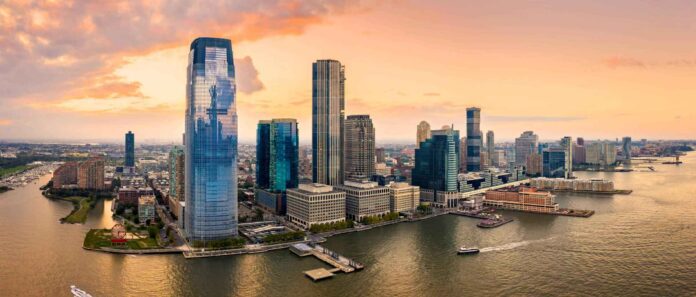

Buyers and Renters Are Choosing to Stay as Space, Value, and Lifestyle Redefine the Market
For decades, Jersey City occupied a familiar and often understated role in the regional housing conversation. It was widely viewed as a temporary landing spot for New Yorkers priced out of Manhattan, a practical compromise offering proximity to the city without the long-term commitment. A few stops on the PATH train, lower rent, then eventually back across the river.
That narrative has quietly but decisively changed.
Local real estate professionals and current market conditions point to a fundamental shift: Jersey City is no longer a waypoint. It is the destination. Buyers and renters who once treated the city as a placeholder are increasingly planting roots, opting to stay even when a return to New York is financially possible.
Realtors say the decision often becomes clear once residents experience the day-to-day realities of living in Jersey City. Larger layouts, modern amenities, and quality-of-life features that remain rare or costly in Manhattan are now standard expectations rather than luxuries. In-unit laundry, dishwashers, private outdoor space, and even parking are no longer viewed as upgrades, but as part of the baseline.
Space remains the most powerful differentiator. At similar price points, apartments in Jersey City frequently offer significantly more square footage than comparable Manhattan units. That additional room translates into tangible lifestyle benefits: dedicated dining areas, true home offices, functional storage, and kitchens designed for daily use rather than efficiency alone. For many residents, downsizing back to New York feels less like a move up and more like a step backward.
The disparity becomes even more pronounced for families. Three-bedroom apartments that routinely command premium rents in Manhattan are available in Jersey City at substantially lower monthly costs. The financial savings are meaningful, but just as important is the livability factor. More space allows for long-term planning, family growth, and stability that transient city living often makes difficult.
Workplace flexibility has further accelerated the trend. With remote and hybrid schedules now firmly embedded across industries, the necessity of a five-day-a-week Manhattan commute has diminished. Traveling into the city two or three times a week reframes the PATH ride from a daily burden into a manageable routine. That balance—close enough to remain connected, far enough to gain breathing room—has reshaped how residents evaluate where they live.
This evolution is also reshaping perceptions of the local housing landscape. Jersey City is no longer defined by what it lacks compared to New York, but by what it offers on its own terms. Neighborhoods have matured, amenities have expanded, and the city’s appeal now stands independently rather than in comparison.
As a result, demand patterns have shifted. Turnover has slowed, length of stay has increased, and more residents are approaching housing decisions with a long-term mindset. What was once considered a fallback option has become a first choice, reinforcing Jersey City’s status as a place to build a life rather than wait for the next move.
The transformation of the local market reflects broader changes in how people define value, comfort, and success in urban living. In that context, the evolving [Jersey City real estate] conversation is less about escaping New York and more about choosing a city that aligns with modern priorities.



