


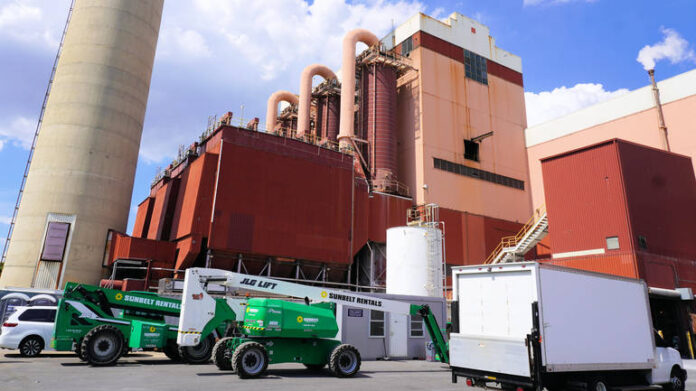

CAMDEN — The ongoing effort by Reworld Camden to renew its operating permit has reignited a familiar and deeply emotional debate in Camden City, exposing the difficult balance between environmental regulation, public health, and the region’s limited options for managing solid waste. As state regulators review the application, residents are once again stepping forward to describe health problems they say have affected families for generations while local officials acknowledge that alternatives to the facility remain scarce.
At recent public hearings, Camden residents shared testimony describing elevated asthma rates, chronic respiratory illnesses, and long-term exposure concerns they believe are linked to decades of incinerator operations. Many speakers framed the issue as both a health crisis and an environmental justice challenge, arguing that communities already facing economic hardship continue to bear a disproportionate share of pollution burdens.
Despite the strong public opposition, county and municipal leaders have acknowledged a complicated reality: much of Camden County currently lacks a viable replacement for the waste-to-energy plant. With landfill capacity limited and transportation costs rising, the incinerator remains a central piece of the region’s waste disposal infrastructure. Officials have warned that abruptly shutting down the facility without a replacement plan could leave municipalities scrambling to manage everyday garbage collection.
Reworld Camden has positioned its permit renewal as a pathway toward modernization rather than expansion. Company representatives have stated that they intend to invest in updated equipment and emissions controls designed to reduce pollutants released into the surrounding neighborhoods. However, the company has also been clear that those upgrades come with significant costs. To fund the improvements, Reworld is seeking approval to accept additional and different waste streams, a request that has raised concerns among residents and environmental advocates.
Critics argue that allowing new waste inputs could increase overall environmental risk, even with upgraded technology, and question whether regulatory oversight alone is enough to protect nearby communities. They contend that the permit process highlights the limits of existing regulations, which often allow facilities to continue operating as long as they meet technical standards, even when residents report persistent health impacts.
State environmental officials reviewing the application have emphasized that the process includes extensive analysis, public input, and enforceable conditions. Still, community advocates say regulation does little to address the core issue: Camden’s long-standing role as a host for infrastructure few other towns are willing to accept. They are calling for broader investment in waste reduction, recycling, and alternative disposal strategies that would reduce dependence on incineration altogether.
The debate unfolding in Camden also reflects a wider statewide challenge, as New Jersey grapples with how to manage waste in a densely populated state with limited land and aging facilities. For residents seeking clarity on environmental programs, public services, and community support initiatives, additional information is available through New Jersey resources that outline state-level tools and assistance programs.
As the permit review continues, the outcome is likely to carry implications beyond Camden City. It will test how far regulation can go in addressing community health concerns when alternatives are limited, and whether long-promised investments in cleaner infrastructure can coexist with the lived experiences of residents who say the cost of doing nothing remains far too high.



