



Phase 1 of Newark Airport Rail Link Construction Causes Weekday Service Adjustments
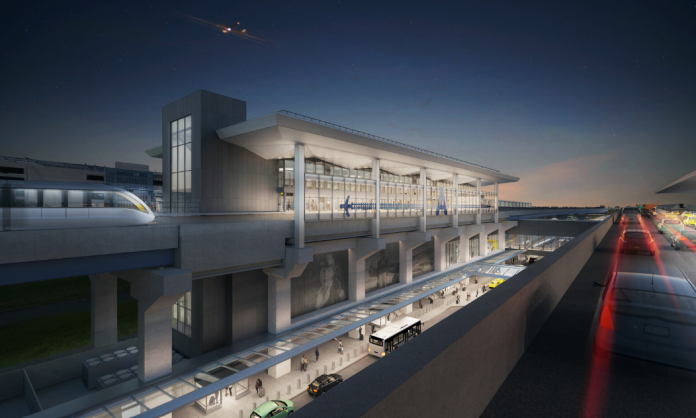
Newark Liberty International Airport has launched the first phase of a sweeping $3.5 billion project to replace and modernize the AirTrain system, signaling a major transformation for one of the region’s busiest transportation hubs. The project, aimed at improving reliability, accessibility, and passenger experience, has already prompted temporary service adjustments that are affecting weekday travelers.
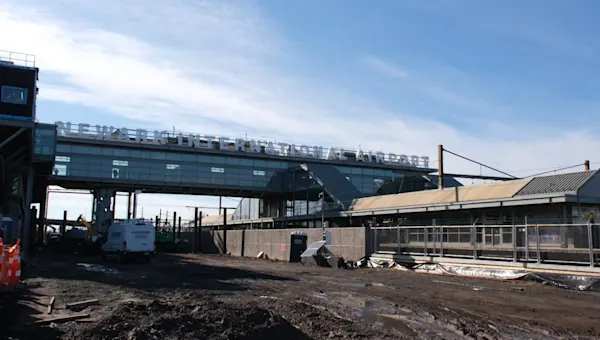
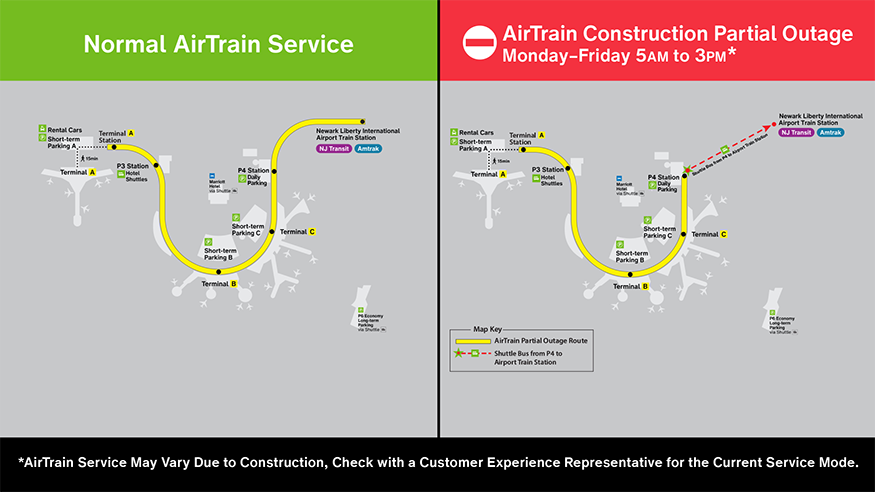
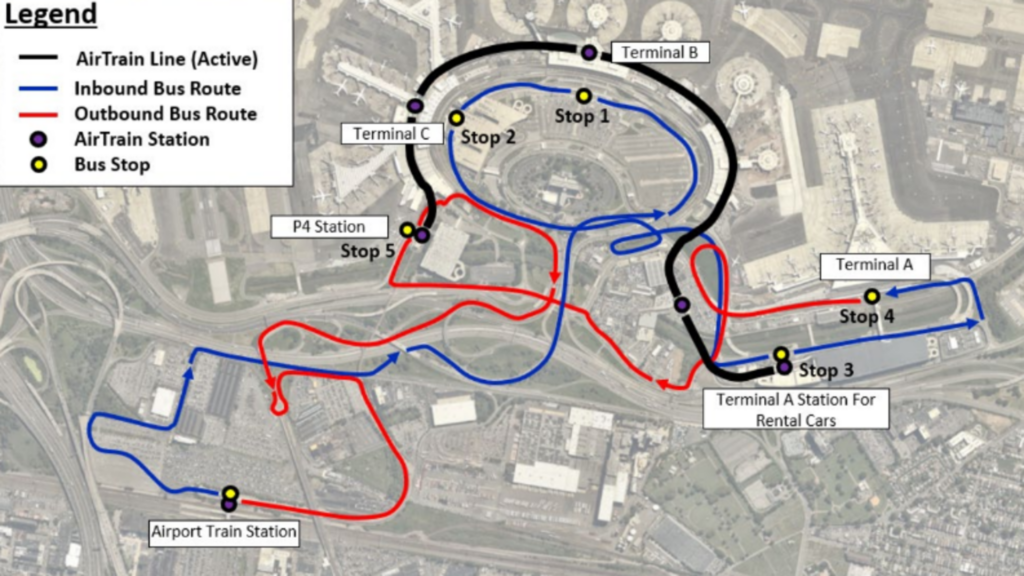
As part of Phase 1, weekday service between the airport’s main rail station and Parking Area P4 is temporarily suspended from 5 a.m. to 3 p.m., requiring passengers to plan alternative connections during these hours. Transit officials say these service interruptions are essential to allow crews to safely upgrade tracks, electrical systems, and critical infrastructure that have supported decades of airport operations.
The AirTrain replacement project represents one of the largest transportation investments in New Jersey in recent years. Officials emphasize that the upgrades will not only enhance the efficiency and safety of rail connections between terminals, parking facilities, and the Newark Airport Rail Station, but also accommodate future growth in airport traffic and regional transit demand. Passengers can expect more modern trains, expanded capacity, and state-of-the-art signaling systems once the project is complete.
Construction crews are focused on a phased approach designed to minimize disruption while accelerating completion. Temporary service adjustments, like the weekday P4 suspension, are strategically scheduled to coincide with periods of lower passenger flow, though some commuters have noted the inconvenience during peak travel hours. To assist travelers, the airport has implemented clear signage, shuttle options, and real-time updates about service changes, helping passengers navigate between terminals and parking areas.
Newark Liberty International Airport serves as a critical node in the Northeast corridor, connecting millions of travelers each year. The AirTrain replacement is expected to significantly reduce delays, increase reliability, and improve the overall transit experience for both local commuters and long-distance passengers. Transportation planners highlight that the modernized system will also integrate better with regional rail networks, making connections smoother for those traveling to and from New York City, New Jersey, and beyond.
The project’s scope includes replacing outdated tracks and mechanical components, enhancing safety protocols, and adding redundancy to prevent system-wide interruptions. Officials say this comprehensive approach reflects lessons learned from years of wear and tear on the original AirTrain infrastructure, ensuring that the new system is prepared to meet the demands of the next several decades.
Commuters and airport users are encouraged to check the latest transportation updates before traveling to plan around service suspensions. While Phase 1 focuses on a key segment of the route, future phases will expand modernization efforts across the entire AirTrain network, with an emphasis on speed, accessibility, and long-term operational resilience.
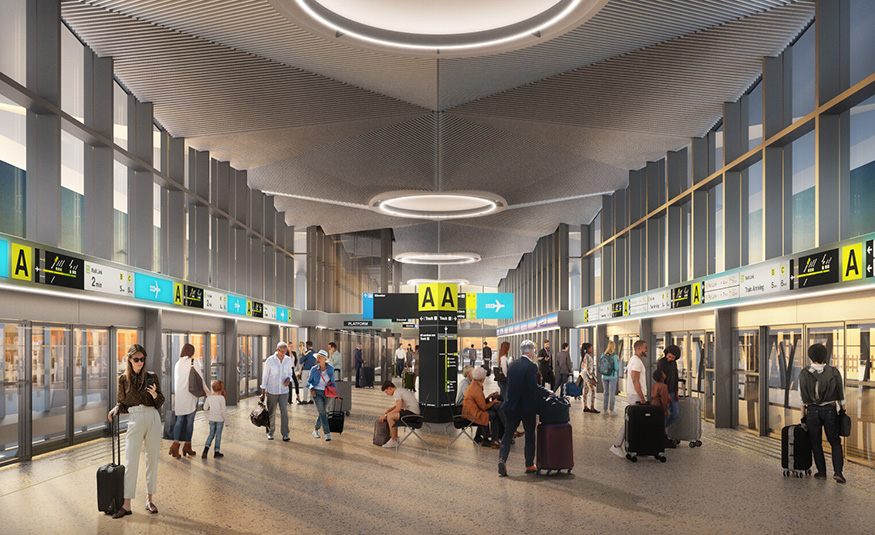
Once complete, the upgraded Newark AirTrain promises to transform the airport experience by combining state-of-the-art technology with enhanced passenger convenience, creating a safer, faster, and more reliable link between air travel and regional transit networks.