



New Jersey Republicans moved quickly and forcefully to counter Governor Phil Murphy’s final State of the State address, rejecting his portrayal of an administration that left the Garden State “stronger and fairer” and arguing instead that the past eight years have produced a more expensive and less accessible place to live.
Party leaders framed their response as a referendum on affordability, contending that rising costs have reshaped daily life for families, workers, and retirees across the state. State Republican Chairwoman Christine Giordano Hanlon said the reality facing many residents is one of escalating utility bills, higher taxes, and a persistent cost-of-living squeeze that has made it increasingly difficult to remain in New Jersey. In her view, the state is not stronger or fairer, but financially weaker and increasingly out of reach for the middle class.
That theme was echoed by Senate Minority Leader Anthony M. Bucco and State Senator Mike Testa, who challenged the governor’s signature slogan by asking who has truly benefited from his policies. They pointed to a growing structural budget gap that they say could exceed $4 billion, warning that the burden will ultimately fall on taxpayers. Utility rate increases and long-term spending commitments were cited as signs that fiscal pressures are being deferred rather than resolved.
Republican lawmakers also underscored what they describe as a troubling pattern of residents leaving the state. They argue that high housing costs, taxes, and regulatory hurdles have driven record levels of outmigration, particularly among young professionals seeking opportunity elsewhere and retirees looking for more affordable places to settle. According to GOP leaders, the trend signals a broader loss of economic competitiveness and community stability.
Education spending became another focal point of criticism. Republicans contended that changes to the school funding formula resulted in painful budget reductions and even school closures in some districts, while overall state spending continued to climb. They described the approach as uneven and disruptive, saying it placed local communities in difficult financial positions without delivering consistent improvements in classroom resources.
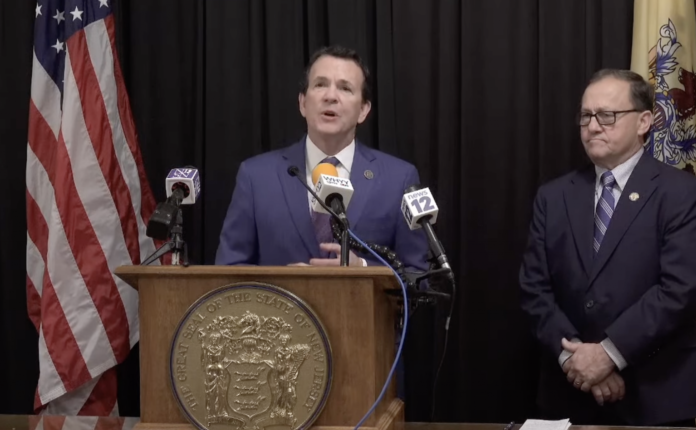
State Senator Mike Testa delivered a formal televised response, challenging residents to reflect on whether they feel better off today than they did at the beginning of Murphy’s tenure. His remarks drew on the familiar rhetorical style of past presidential campaigns, framing the question as a simple but powerful measure of the administration’s impact.
Separately, Mike Crispi, chairman of the America First Republican movement in New Jersey, issued his own blistering assessment of the outgoing governor’s record. He criticized Murphy’s policies on taxation, parental rights, and regulatory oversight, portraying the administration’s legacy as one that placed new pressures on families and small businesses while expanding government spending.
Together, the statements represent more than a rebuttal to a single speech. They signal the beginning of a broader political reset in Trenton, as attention turns to the incoming administration and the policy direction that will shape the state’s future. With Governor-elect Mikie Sherrill preparing to take office later this month, Republicans are positioning themselves to challenge the next chapter of leadership, particularly on matters of politics, taxation, education, and affordability that continue to dominate public debate across New Jersey.



