


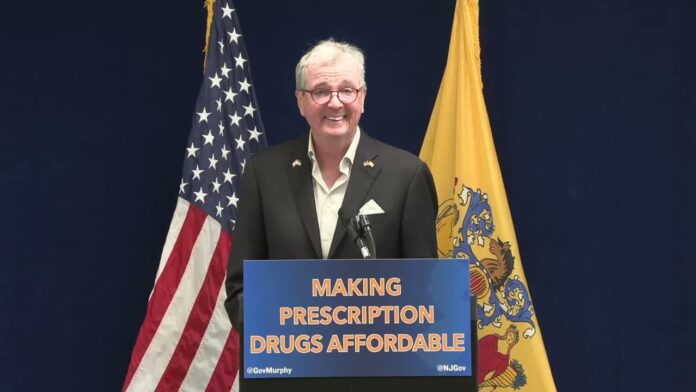

New Jersey Governor Phil Murphy signed a comprehensive four-bill healthcare package on Friday aimed at reducing costs for residents while expanding access to critical services. The legislation focuses on enhancing prescription coverage, improving treatment options for menopause, and addressing persistent workforce shortages in the healthcare sector, signaling a commitment to long-term systemic reform.
The new laws are expected to have an immediate impact on residents who have struggled with rising medical expenses and limited access to specialized care. By broadening prescription coverage, the state aims to reduce out-of-pocket costs for commonly prescribed medications, ensuring more equitable access for all patients. The inclusion of menopause treatment as a covered service reflects growing recognition of gender-specific healthcare needs, a step that advocates say has long been overdue.
Simultaneously, the legislation seeks to strengthen the healthcare workforce by addressing staffing shortages in hospitals, clinics, and long-term care facilities. By incentivizing training programs, streamlining licensure, and providing support for recruitment and retention, New Jersey is positioning itself to maintain a high-quality healthcare system that meets the needs of a growing and diverse population.
In parallel with healthcare developments, Governor-elect Mikie Sherrill has reaffirmed Kris Kolluri’s leadership by appointing him to continue as the head of New Jersey Transit while also taking on the role of Executive Director of the New Jersey Turnpike Authority. This dual assignment comes at a critical moment as the state prepares to host international visitors for the 2026 FIFA World Cup, requiring coordinated oversight of the transportation network.
The New Jersey Chamber of Commerce praised Sherrill’s decision, noting that Kolluri’s experience and steady leadership are essential to navigating the state’s ongoing transit and infrastructure challenges. By consolidating leadership across both major agencies, officials hope to streamline operations, improve service reliability, and advance long-term projects that have been in planning for years.
The intersection of healthcare reform and strategic infrastructure leadership highlights New Jersey’s broader policy priorities as the state enters 2026. With residents increasingly focused on affordability, accessibility, and modernized public services, these actions aim to address immediate challenges while laying the foundation for sustainable growth.
For readers following state policy and political developments, additional coverage can be found through Sunset Daily News’ politics section.
As the state moves forward, both healthcare and transportation initiatives are expected to play a key role in shaping quality of life for New Jersey residents, reflecting the administration’s focus on practical solutions and coordinated governance.



