



New Jersey opened the new year confronting a more uncertain economic landscape as employment numbers softened and a series of wide-ranging laws reshaped daily life for residents, commuters, and businesses across the state.
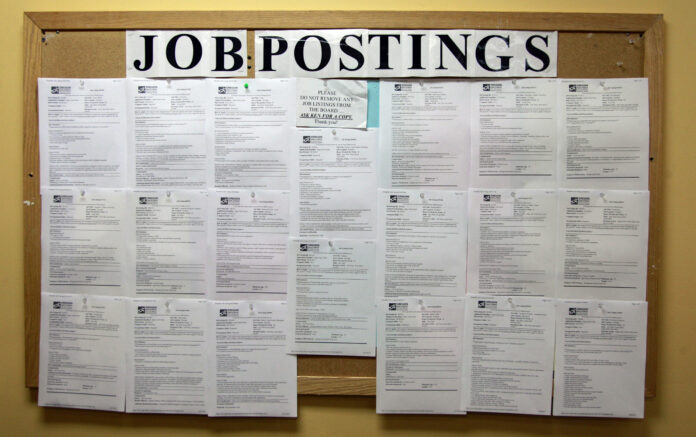
State labor data shows that unemployment climbed to 5.4 percent in November, marking the highest level recorded since 2021. Over the final two months of the year, New Jersey shed approximately 5,300 jobs, with the most significant losses occurring in professional services and construction. Economists point to slowing commercial development, higher borrowing costs, and cautious corporate hiring as contributing factors to the downturn, raising concerns about how quickly the labor market will rebound in early 2026.
The cooling job market arrives at the same time as several major statutes officially took effect on January 1, ushering in a new policy environment that touches nearly every household.
One of the most closely watched changes is the statewide minimum wage increase, which raised base pay for most workers to $15.92 per hour. Supporters say the adjustment helps offset rising living costs, while business groups are watching closely to see how the change affects hiring, pricing, and small-business sustainability.
Drivers are also feeling immediate impacts at the pump and on major roadways. The state’s gas tax rose by roughly four cents per gallon, and toll rates increased across the New Jersey Turnpike, Garden State Parkway, and eight bridges connecting New Jersey to Pennsylvania. Transportation officials say the additional revenue will be directed toward infrastructure maintenance and capital improvements, though commuters are bracing for higher monthly travel expenses.
Beyond economic measures, lawmakers have also addressed a structural issue that surfaced during the 2024 election cycle. The Assembly recently advanced a bill designed to modernize how vacancies in the U.S. House of Representatives are filled. The proposal follows extended delays after the deaths of Representatives Bill Pascrell and Donald Payne, which left constituents without representation for prolonged periods. The reform aims to streamline special election timelines and clarify appointment procedures to prevent similar gaps in congressional representation in the future.
Taken together, the combination of rising unemployment, higher transportation costs, and updated labor standards signals a pivotal moment for New Jersey’s economic and policy direction. Lawmakers, business leaders, and labor advocates are now navigating how these changes will shape growth, affordability, and workforce stability in the year ahead.
Ongoing reporting on statewide policy changes and government action is available through Sunset Daily News’ dedicated legislation coverage, where residents can track how new laws continue to influence communities across New Jersey.



