


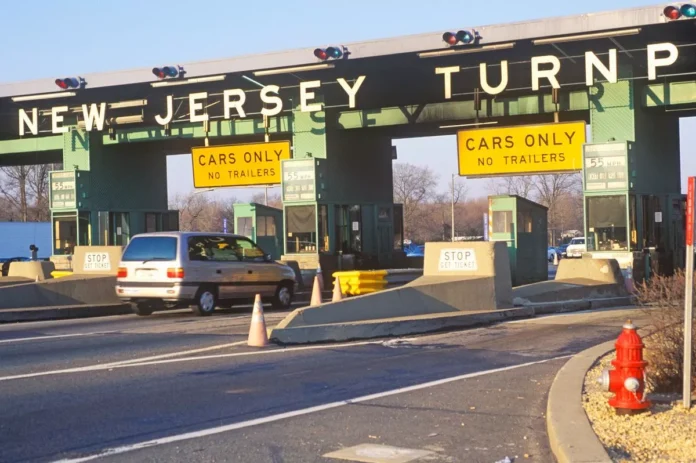

As 2026 begins, New Jersey residents are preparing for a wave of increases that will affect daily commuting and household budgets. Effective January 1, the state’s gas tax, major tolls, and utility costs are all set to rise, marking a challenging start to the new year for drivers and utility customers alike.
Gas Prices Get a Boost
New Jersey’s gas tax will climb by 4.2 cents per gallon, bringing the total tax on gasoline to 49.1 cents per gallon and 56.1 cents per gallon for diesel fuel. This increase is part of a multi-year plan established under a 2024 law, designed to gradually fund the Transportation Trust Fund through fiscal year 2029. Drivers can expect the higher costs to impact both local travel and longer commutes, adding up quickly for households that rely heavily on personal vehicles.
Tolls on Major Highways Increase
The state’s network of toll roads is also seeing adjustments. Tolls on the New Jersey Turnpike and Garden State Parkway will rise by 3% for all vehicle classes, continuing an ongoing effort to fund operations, maintenance, and planned capital improvements. Similarly, the Atlantic City Expressway will increase tolls by 3% as it transitions to a fully electronic toll collection system beginning January 4.
Crossings operated by the Port Authority of New York and New Jersey, including the George Washington Bridge and Lincoln Tunnel, will see a 3% inflationary increase plus an additional 25-cent fee starting January 4. Meanwhile, the Delaware River Joint Toll Bridge Commission is adjusting tolls to $2 for E-ZPass users and $5 for non-E-ZPass passenger vehicles across its eight bridges. These cumulative increases are expected to make routine commuting and weekend travel noticeably more expensive for drivers across the state.
Heating and Utility Costs Climb
While not a tax change per se, New Jersey residents should also anticipate higher heating and utility bills this winter. Electric and natural gas costs are projected to rise by 17% to over 20% due to increased demand from data centers, infrastructure upgrades, and market pressures. Households that rely on heating oil or natural gas for winter warmth will likely see significant spikes in their monthly expenses.
Ways to Mitigate Rising Costs
Despite these increases, residents can take steps to reduce their financial burden through a combination of discounts, incentives, and behavioral changes. New Jersey drivers can benefit from E-ZPass accounts, which automatically provide discounted rates compared to cash or “Tolls by Mail.” Additional plans, such as the Senior Citizen Discount, the Atlantic City Expressway Frequent User Plan, and the Port Authority Staten Island Bridges Plan, offer further savings for eligible motorists. Electric vehicle owners can also access programs like Charge Up New Jersey, which provides up to $4,000 toward the purchase or lease of a new EV, in addition to potential federal tax credits for home EV chargers.
Auto insurance strategies can also help offset rising costs. Shopping for quotes, bundling policies, completing approved defensive driving courses, and adjusting deductibles are all methods that can lead to meaningful savings on premiums. On the road, residents can reduce expenses by carpooling, using public transportation options like NJ Transit and PATH, avoiding peak traffic hours, driving fuel-efficiently, and maintaining vehicles regularly to prevent costly repairs.
As New Jersey residents adjust to these changes, careful planning and awareness of available programs can help ease the impact of higher fuel, toll, and utility expenses. For ongoing updates on statewide news, legislation, and local impacts, explore Sunset Daily’s New Jersey News section to stay informed on topics that affect commuting, household budgets, and lifestyle in the Garden State.
Rising costs in 2026 serve as a reminder of the importance of leveraging available savings programs, adjusting habits, and staying proactive about household expenses as the state moves into a new year of economic challenges.