


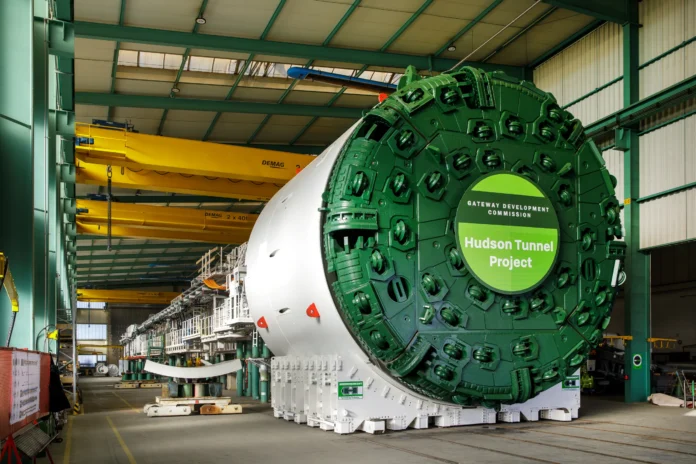

A newly released audit by the Amtrak Office of Inspector General indicates that Amtrak has made measurable progress advancing its role in the massive Hudson Tunnel Project, a central component of the broader Gateway infrastructure initiative connecting New Jersey and New York. While the audit affirms steps forward, it also identifies several critical areas where planning, coordination and internal procedures lag behind construction and engineering momentum.
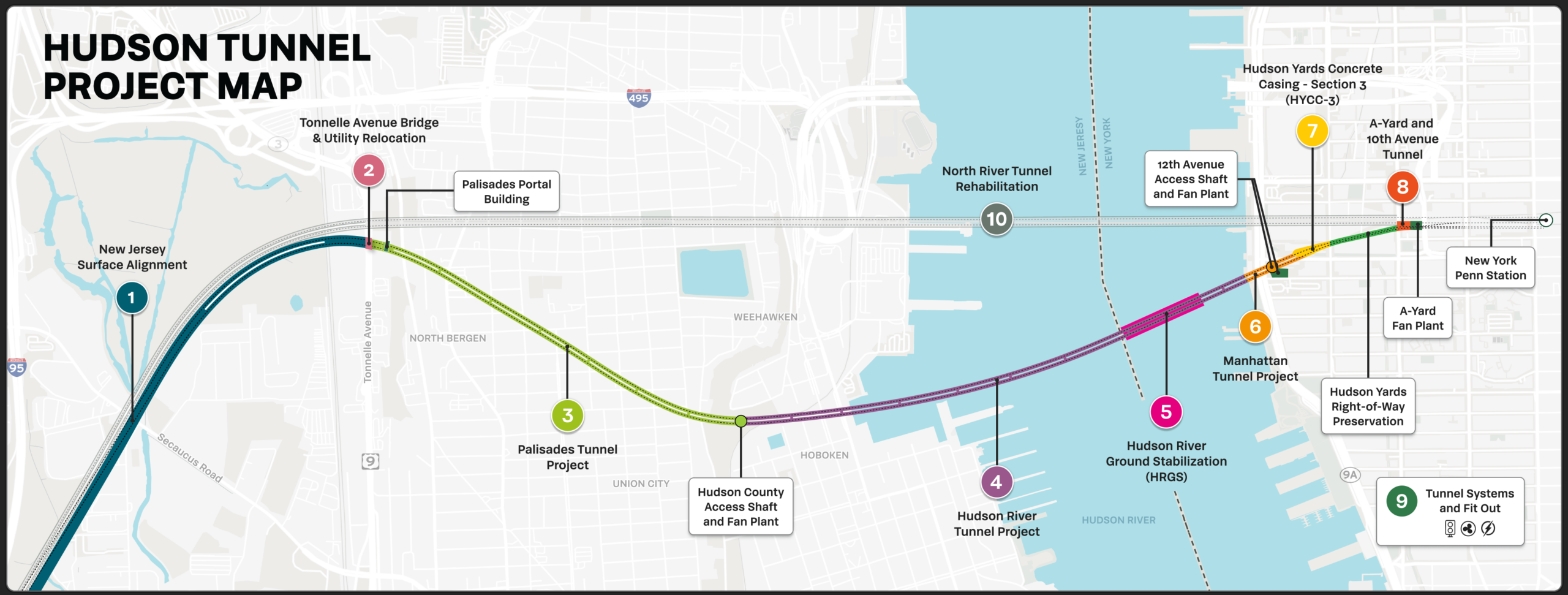
The Hudson Tunnel Project, an estimated $16 billion effort to excavate a new two‑tube rail tunnel under the Hudson River and rehabilitate the existing 110‑year‑old North River Tunnel, represents one of the most ambitious transportation infrastructure undertakings in the nation’s history. Completion of the new tunnel is projected around 2035, with the rehabilitation planned through 2038. This project is integral to national rail capacity, reliability, and the future of the Northeast Corridor.
According to the inspector general’s findings, Amtrak has met several important near‑term responsibilities, particularly in securing necessary real estate, staffing its project team, and initiating planning for testing and commissioning of the new and rehabilitated tunnels. These achievements mark notable project momentum as construction activity continues and stakeholder expectations build.
Despite this progress, the audit also highlights specific process and governance shortcomings that could undermine long‑term project performance if not addressed promptly:
- Clarity of Roles with Partners: The report underlines that Amtrak and external partners, including the Gateway Development Commission—charged with overall construction oversight—do not always share a uniform understanding of Amtrak’s precise responsibilities. This ambiguity has limited Amtrak’s visibility into key risk registers and decision‑making discussions for construction packages it does not directly lead.
- Internal Stakeholder Engagement: Some Amtrak departments not directly tied to tunnel construction remain insufficiently briefed on project obligations and deliverables. For example, accounting and procurement functions were reportedly unaware of financial projections and material procurement timelines tied to the Hudson Tunnel efforts.
- Document Management: The audit points to a need for a more robust system for organizing and maintaining the extensive documentation that will accumulate over the tunnel project’s lifecycle. A finalized and consistently applied document management strategy would help ensure accountability and reduce the risk of oversight or error.
To improve outcomes and protect Amtrak’s interests over the project’s duration, the inspector general recommended that the company:
- Align expectations with partner agencies regarding roles and responsibilities.
- Ensure access to and understanding of risk data from all construction packages.
- Catalog and assign accountability for all internal support activities.
- Implement a comprehensive document management framework.
Amtrak officials have publicly agreed with these recommendations and outlined plans to implement changes to address them. This response underscores Amtrak’s commitment to evolving its internal systems in step with the increasing complexity of the Gateway Program.
The Hudson Tunnel Project’s advancement remains a cornerstone of broader efforts to modernize transportation infrastructure in the Northeast. Beyond its immediate operational impact, the tunnel is expected to significantly enhance rail capacity, reliability, and connectivity between New Jersey and New York—benefits that could have far‑reaching economic implications for the region once complete.
As stakeholders track progress, it’s also relevant for our readers to follow ongoing developments in critical infrastructure and construction sectors, including evaluations, project milestones, and oversight updates available at Sunset’s Construction section on business news. The intersection of oversight, federal funding, and major project execution continues to shape the landscape for infrastructure investment and economic growth across New Jersey and beyond.