


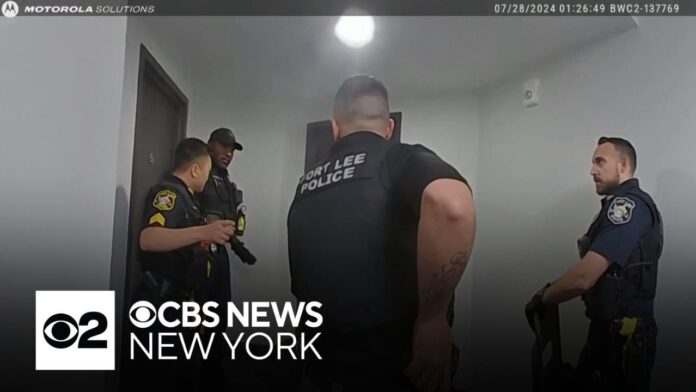

New Jersey lawmakers are weighing legislation that would require police departments across the state to undergo an annual review of their deadly force policies, conducted under the supervision of the state Attorney General’s office.
The proposal aims to ensure that law enforcement agencies maintain consistent, transparent standards and to bolster public confidence in policing practices.
The bill, currently under discussion in Trenton, would make it mandatory for all law enforcement agencies in New Jersey to submit their deadly force guidelines for a state-led evaluation each year. The review would examine whether department policies align with evolving state laws, best practices in law enforcement, and civil rights protections. Supporters argue that the measure is long overdue, providing an independent layer of accountability that can reduce misuse of force and prevent unnecessary fatalities.
Advocates for the bill emphasize that this review is not punitive but preventive, framing it as a crucial tool for keeping officers and communities safe. “It’s a step in the right direction,” said one community leader, highlighting the potential for the policy to create transparency and trust between police and the public.
Currently, while New Jersey mandates training and reporting requirements for officers who use force, there is no statewide system requiring regular policy reviews. This legislation would create uniformity across all municipalities and counties, standardizing expectations and providing a centralized benchmark for performance.
Law enforcement groups have expressed cautious optimism. Some leaders note that while oversight is important, any review process must consider the operational realities officers face in high-pressure situations. Departments would have to ensure their policies are not only compliant with the law but also practical and actionable in real-world scenarios.
Civil rights organizations have voiced strong support, arguing that regular scrutiny could reduce instances of excessive force and improve community relations. By creating an annual review cycle, the bill could also identify training gaps, outdated procedures, or inconsistencies between agencies, enabling statewide improvements.
The legislation further mandates that findings from the review be made publicly available, giving residents insight into the standards governing law enforcement actions in their communities. This level of transparency, advocates say, could serve as a model for other states grappling with similar concerns about police accountability.
If passed, New Jersey would join a growing number of states seeking systematic oversight of police use-of-force policies. Legal analysts note that the Attorney General’s involvement would lend authority and consistency to the evaluations, potentially reducing legal challenges and ensuring compliance.
For those interested in following the legislative process and analyzing the impacts on law enforcement practices statewide, ongoing coverage is available in Sunset Daily’s Law & Order section, which tracks policy developments, community response, and broader implications for New Jersey residents.
The bill represents a significant development in the state’s efforts to balance public safety with accountability. As debates continue in Trenton, the Garden State remains at the forefront of examining how law enforcement policies can evolve in response to public demand for transparency, fairness, and safety.



